
D — Habits & measurement
How often should you check your blood pressure?
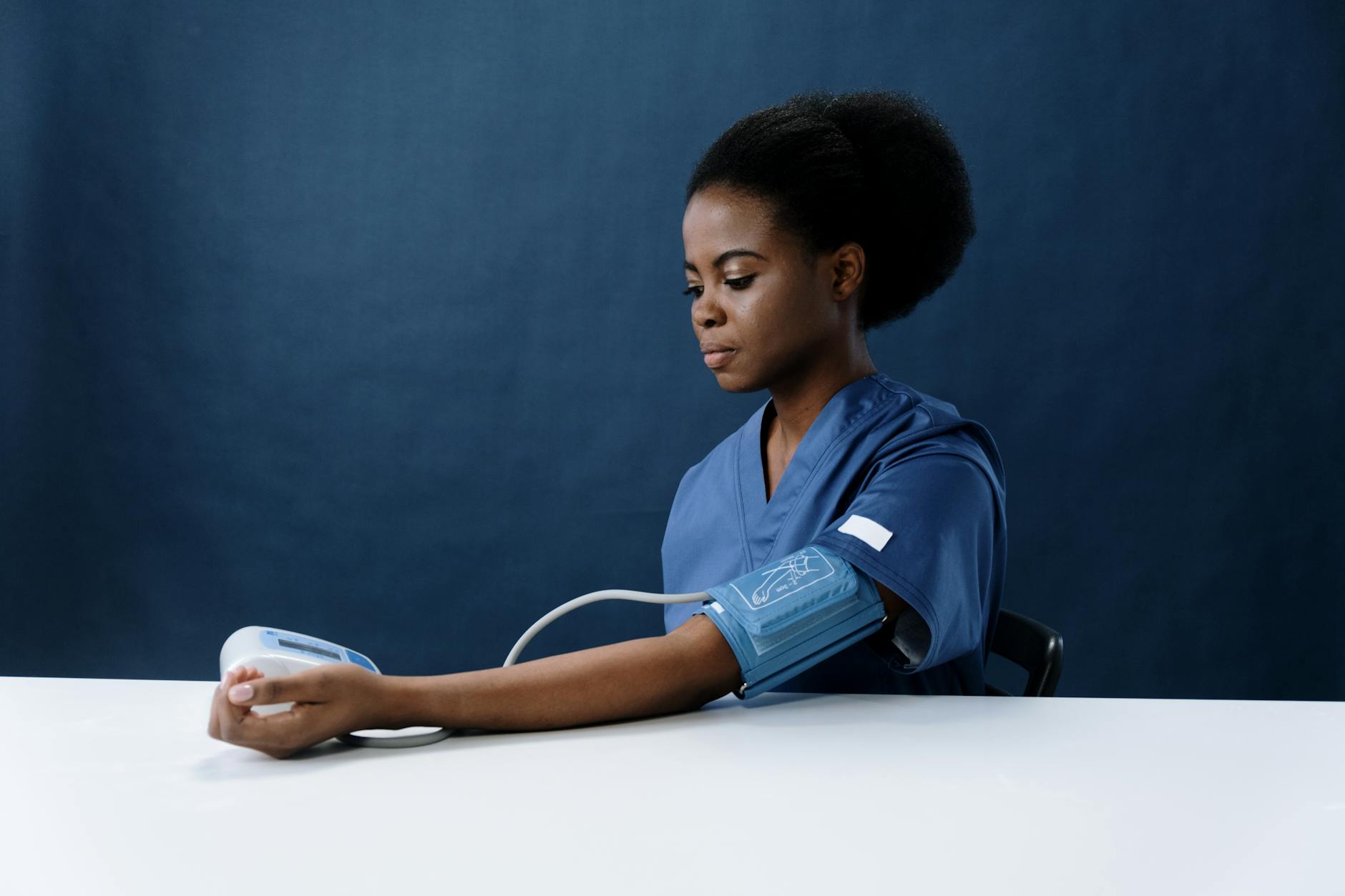
How often you should check your blood pressure depends on where your numbers sit and whether you are managing a diagnosis. If your blood pressure is normal and you are otherwise healthy, once a year is usually enough. If it is high, or you have just changed medication, you may need to check twice a day for a week or two while you and your doctor get a clear picture.
That range, from once a year to twice a day, confuses a lot of people. The right answer is not a single number, it depends on your situation. This guide walks through how often to check your blood pressure in each common case, how to build a simple routine, and when more frequent checking actually helps rather than just adding worry.
How often to check blood pressure if your readings are normal
If your blood pressure is consistently below 120/80 mmHg and you have no other risk factors, you do not need to check it often. The American Heart Association (AHA) suggests that healthy adults with normal blood pressure have it measured at least once a year, usually at a routine check-up.
From around age 40, or earlier if you have risk factors such as a family history of high blood pressure, being overweight, smoking, or diabetes, it is sensible to check more regularly. That might mean a reading every few months, whether at home, at a pharmacy, or at your doctor’s surgery. The point is not to obsess over a single number, but to notice a trend early, because high blood pressure usually has no symptoms at all.
How often to check if your readings are elevated or borderline
If your readings sit in the elevated range, that is 120 to 129 systolic and under 80 diastolic, or in stage 1 territory, your doctor will often suggest keeping a closer eye on things before deciding on treatment. A common approach is to monitor at home for a week or two and bring the results to your next appointment.
A widely used method, recommended by the AHA and the NHS, is to take readings over seven consecutive days. Measure twice in the morning and twice in the evening, a minute apart each time, and write them all down. Many people ignore the first day’s readings, which tend to run a little high, and average the rest. This gives your doctor a far truer picture than one reading in a clinic, and it helps decide whether a lifestyle change is working or whether treatment is needed.
How often to check if you have high blood pressure or take medication
If you have been diagnosed with high blood pressure, or you have recently started or changed a medication, regular home checking becomes genuinely useful. The AHA recommends home monitoring for most people with hypertension, because it shows how your blood pressure behaves in everyday life rather than in the few tense minutes at a surgery.
When your medication or dose has just changed, your doctor may ask you to check twice a day for a couple of weeks so the effect can be seen clearly. Once your blood pressure is stable and well controlled, you can usually ease off to a few times a week, or whatever schedule your doctor advises. The aim is steady information, not constant surveillance. Checking every hour does not help and tends to feed anxiety, since blood pressure naturally rises and falls through the day.
Building a simple checking routine
Whatever your situation, the same habits make your readings trustworthy. Measure at the same times each day, ideally morning and evening, sit quietly for five minutes first, keep both feet flat on the floor, and rest your arm at heart level. Take two or three readings a minute apart and record them. For a fuller walkthrough, see our guide to measuring blood pressure at home, and our piece on the best time of day to take your blood pressure.
Consistency matters more than frequency. Two readings taken the same way each day for a week tell you and your doctor far more than a dozen scattered checks at random moments. Logging each reading as you go, rather than trying to remember them, is the single thing that turns home monitoring into something useful.
When to see a doctor
Home checking supports your medical care, it does not replace it. Share your readings with your doctor, especially if your home average is consistently at or above 135/85 mmHg, or if your numbers are climbing over time.
Treat a very high reading as an emergency. If you record a blood pressure above 180/120 mmHg, wait a few minutes and measure again. If it stays that high, or you also have chest pain, shortness of breath, weakness, vision changes, or trouble speaking, call your local emergency number right away, as these can be signs of a hypertensive crisis. If you ever feel unwell or are worried about a reading, contact your doctor rather than waiting for the next scheduled check.
Frequently asked questions
How often should I check my blood pressure at home?
If your blood pressure is normal, once a year is usually enough. If it is high or you have recently changed medication, your doctor may ask you to check twice a day for a week or two, then ease back to a few times a week once it is stable. Always follow the schedule your doctor gives you.
Is it bad to check your blood pressure too often?
Checking every hour rarely helps and often increases anxiety, because blood pressure naturally varies through the day. Unless your doctor has asked you to monitor closely, twice a day during a review period and less often once stable is plenty.
How many times should I take a reading each time?
Take two or three readings a minute apart at each sitting and record them all. Readings often settle after the first, so an average is more reliable than a single number.
How often should older adults check their blood pressure?
Adults over 40, or anyone with risk factors such as a family history of hypertension, diabetes, or being overweight, benefit from checking every few months even when readings are normal, since high blood pressure usually has no symptoms.
Building the habit is the hard part, and a simple log makes it easier. You can track your readings free in CardioVibe and watch the pattern take shape over time.
This is educational information, not medical advice. How often you should monitor your blood pressure depends on your age, health, and history. For guidance on your situation, see the American Heart Association or the NHS, and speak to your doctor or a qualified health professional.
Last reviewed: June 2026
Download CardioVibe
Take control of your blood pressure with small daily habits, and see exactly what's working as your readings improve.
Download CardioVibe
Keep every reading in one place, spot patterns early, and bring a clear history to your next GP appointment.