D - Habits & measurement
When to check your blood pressure (a simple daily routine)

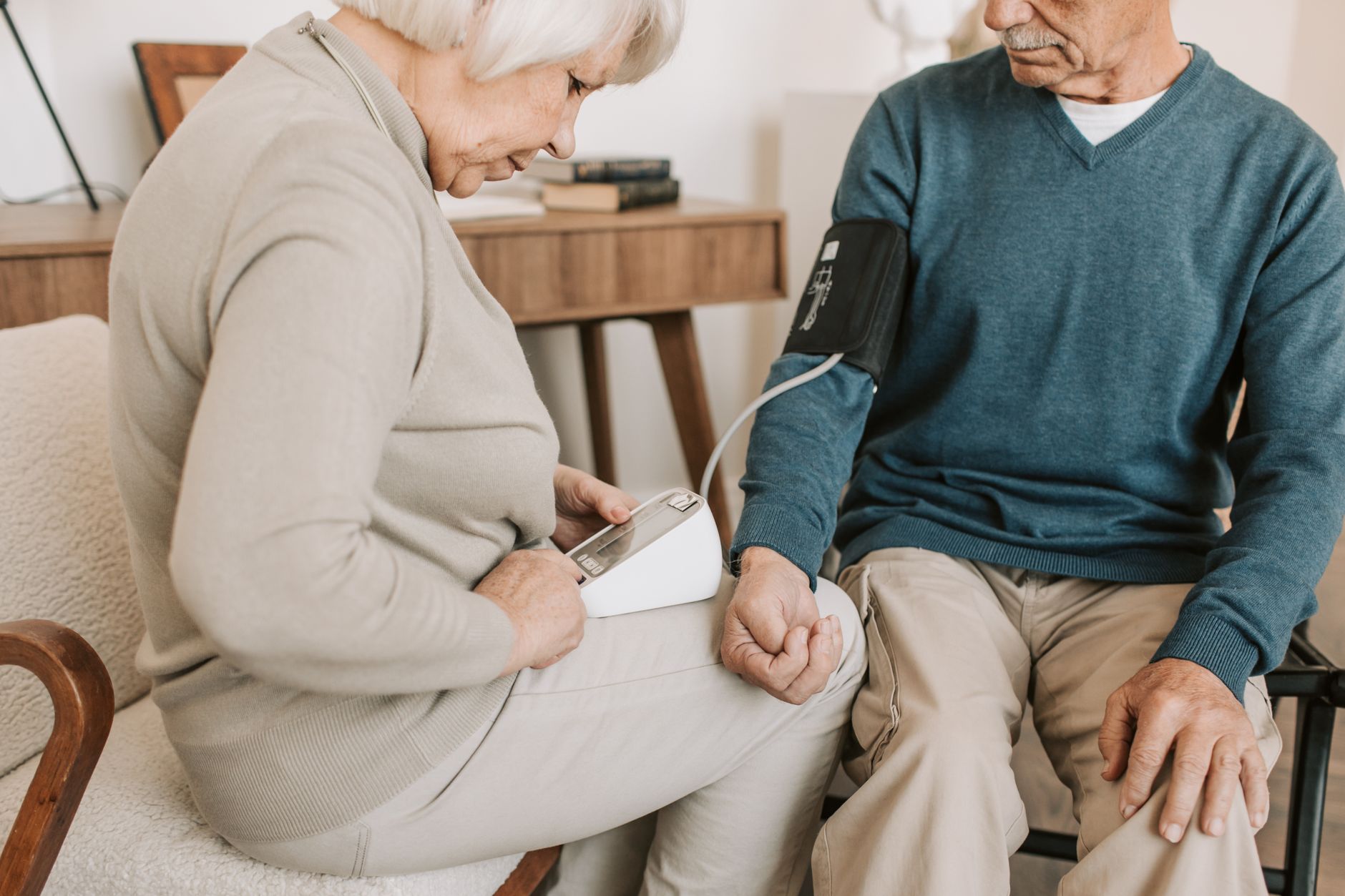
Wondering when to check your blood pressure? The simplest answer is twice a day at consistent times: in the morning before food, caffeine, or medication, and again in the evening. Sit quietly for five minutes first, then take two readings a minute apart and record both.
The exact clock time matters less than picking moments you can repeat. Blood pressure rises and falls throughout the day, so a reading grabbed at random tells you very little. A steady routine turns scattered numbers into a pattern you and your clinician can actually use. This guide covers when to check, what to avoid right before a reading, and how often checking makes sense for your situation.
Why when you check your blood pressure matters
Blood pressure follows a daily rhythm. It is usually at its lowest while you sleep, climbs in the hours after you wake, and shifts in response to meals, caffeine, activity, and stress. Because of this natural variation, the American Heart Association (AHA) stresses that one isolated reading rarely reflects your true numbers.
Checking at the same times each day controls for that rhythm. If you always measure right after waking and again before dinner, your morning readings are comparable to other mornings, and your evenings to other evenings. That consistency is what lets you spot a real trend, like steadily rising mornings, rather than reacting to a single number that happened to be high because you had just climbed the stairs.
There is also a practical payoff. The AHA recommends home monitoring for most people managing high blood pressure, because readings taken in calm, familiar surroundings often reflect everyday levels better than a rushed clinic visit. Picking reliable times to check is what makes that home data trustworthy enough to guide decisions.
When to check your blood pressure: a simple daily routine
For most people building the habit, two checks a day work well. Anchor each one to something you already do so you remember it.
In the morning, take your reading before you eat, drink coffee, or take any medication, after sitting quietly for a few minutes. Doing it before that first cup of coffee and before your tablets gives a clean baseline that is not nudged up by caffeine or changed by medication that has not taken effect yet.
In the evening, measure again before dinner or before bed, once more after sitting calmly for five minutes. Morning and evening numbers often differ, and that difference is useful information rather than a mistake.
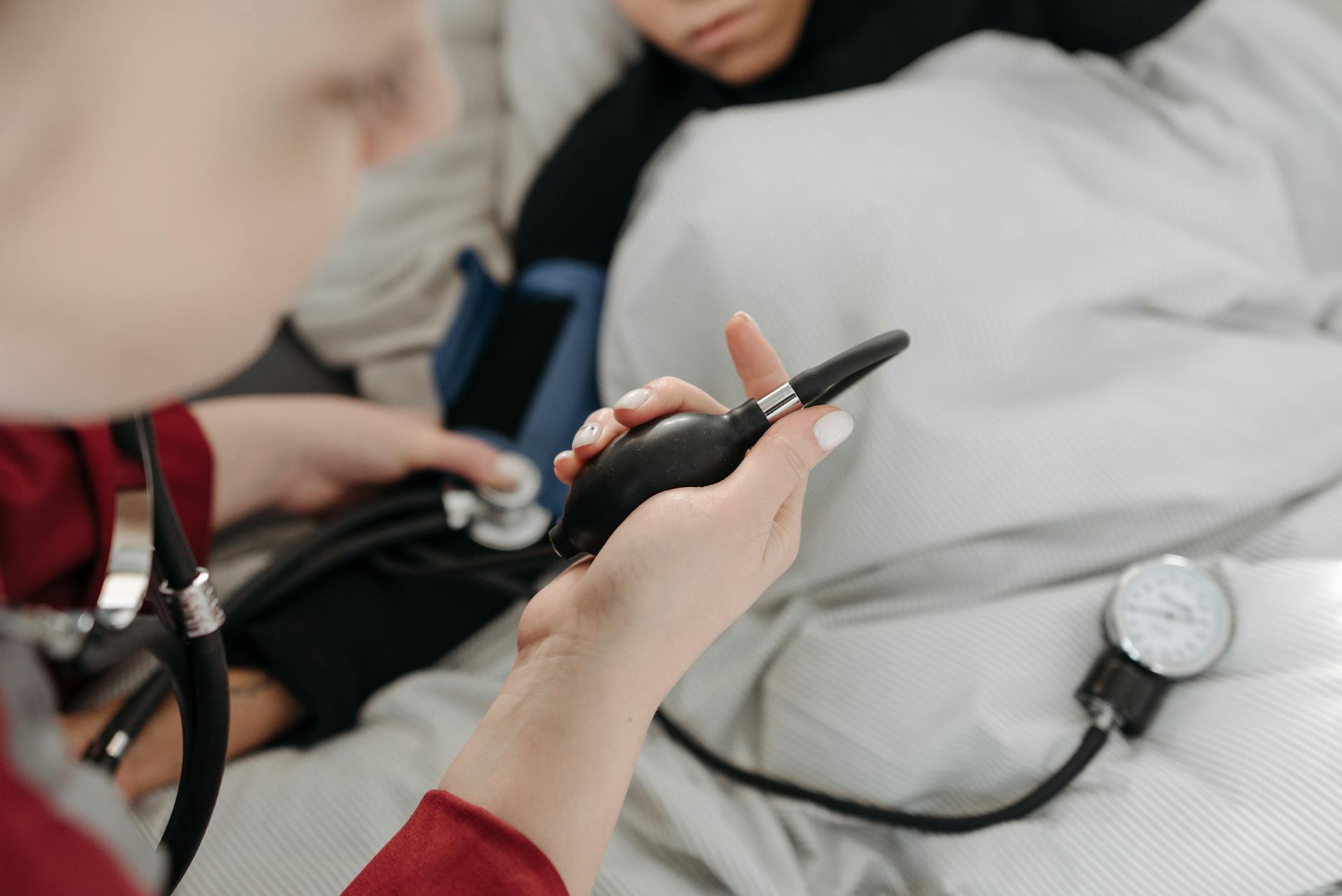
Each time, take two readings about a minute apart and record both, or use the average if your monitor calculates it. Readings frequently drop slightly from the first to the second, which is normal. For a deeper look at choosing between morning and evening, see our guide to the best time of day to take your blood pressure, and for the full measurement technique, our complete guide to measuring blood pressure at home.
What to avoid right before a reading
When you check matters partly because certain things temporarily push the numbers up. The AHA and the NHS both advise steering clear of these in the 30 minutes before a reading:
- Caffeine, including coffee, tea, and energy drinks
- Smoking or other nicotine
- Vigorous exercise
- A full bladder, so empty it first
- Talking, scrolling your phone, or moving during the measurement
It also helps to sit correctly: back supported, feet flat on the floor, legs uncrossed, and the arm you are measuring resting on a table at roughly heart height. Skipping the five-minute rest is one of the most common reasons a home reading reads higher than it should. Build these few minutes of stillness into your routine and the numbers you record will be far more reliable.
How often should you check?
How often to check depends on your numbers and what you are managing, and it is a separate question from when in the day to measure.
If your blood pressure is normal and you have no other risk factors, frequent checking is not necessary. The AHA suggests healthy adults have it measured at least once a year, often at a routine appointment.
If you have just been diagnosed with high blood pressure or your medication has recently changed, your clinician may ask you to measure twice a day for a week or two. This builds a clear baseline and shows whether a treatment is working. Once your blood pressure is stable and well controlled, you can usually ease back to less frequent checks.
Whatever your situation, follow the schedule your own doctor sets, since it is tailored to you. For more detail on frequency in each case, see our guide on how often you should check your blood pressure.
A quick caution: more is not always better. Checking many times a day, or every time you feel anxious, tends to capture normal fluctuations and can fuel worry rather than insight. Two consistent readings a day give a clearer picture than a dozen scattered ones.
When to see a doctor
Home monitoring supports your medical care, it does not replace it. Share your readings with a clinician, and book an appointment if your average is consistently in the elevated or hypertension range, or if your numbers climb over several weeks. As a reference, the AHA and American College of Cardiology define a normal reading as below 120/80 mmHg, with stage 1 hypertension beginning at 130/80 mmHg.
Seek urgent help right away if you record a reading above 180 systolic, or above 120 diastolic. The AHA advises waiting five minutes and measuring again; if it remains that high, contact your doctor without delay. If a reading that high comes with chest pain, shortness of breath, back pain, numbness or weakness, vision changes, or difficulty speaking, call emergency services immediately, as these can signal a medical emergency. When in doubt about a reading or a symptom, it is always safest to speak with a healthcare professional.
Start this habit in CardioVibe
The hardest part of checking your blood pressure is doing it at the same times, day after day. You can start this habit free in CardioVibe, which makes it easy to log your morning and evening readings and watch the pattern take shape, ready to share with your doctor. It supports your care rather than replacing it.
Frequently asked questions
What is the best time of day to check blood pressure?
Most guidance points to twice a day at consistent times: in the morning before food, caffeine, or medication, and again in the evening. Taking it the same way at the same times is what makes your readings comparable from one day to the next.
Should I check my blood pressure in the morning or at night?
Ideally both, because morning and evening readings can differ and each adds information. If you can only manage one, the morning reading before caffeine and medication gives a useful baseline. Whatever you choose, keep it consistent so the numbers are comparable.
How long should I wait to check my blood pressure after eating or coffee?
Wait at least 30 minutes after caffeine, smoking, or exercise, and rest quietly for five minutes just before measuring. A reading taken right after coffee or a meal can run higher than your true resting level.
How many times a day should I check my blood pressure?
Two checks a day, morning and evening, are enough for most people building the habit, with two readings a minute apart at each session. Your doctor may suggest more often right after a diagnosis or medication change, then less often once your numbers are stable.
Download CardioVibe
Take control of your blood pressure with small daily habits, and see exactly what's working as your readings improve.
Download CardioVibe
Keep every reading in one place, spot patterns early, and bring a clear history to your next GP appointment.