
B - Lower BP
Does beetroot juice lower blood pressure?
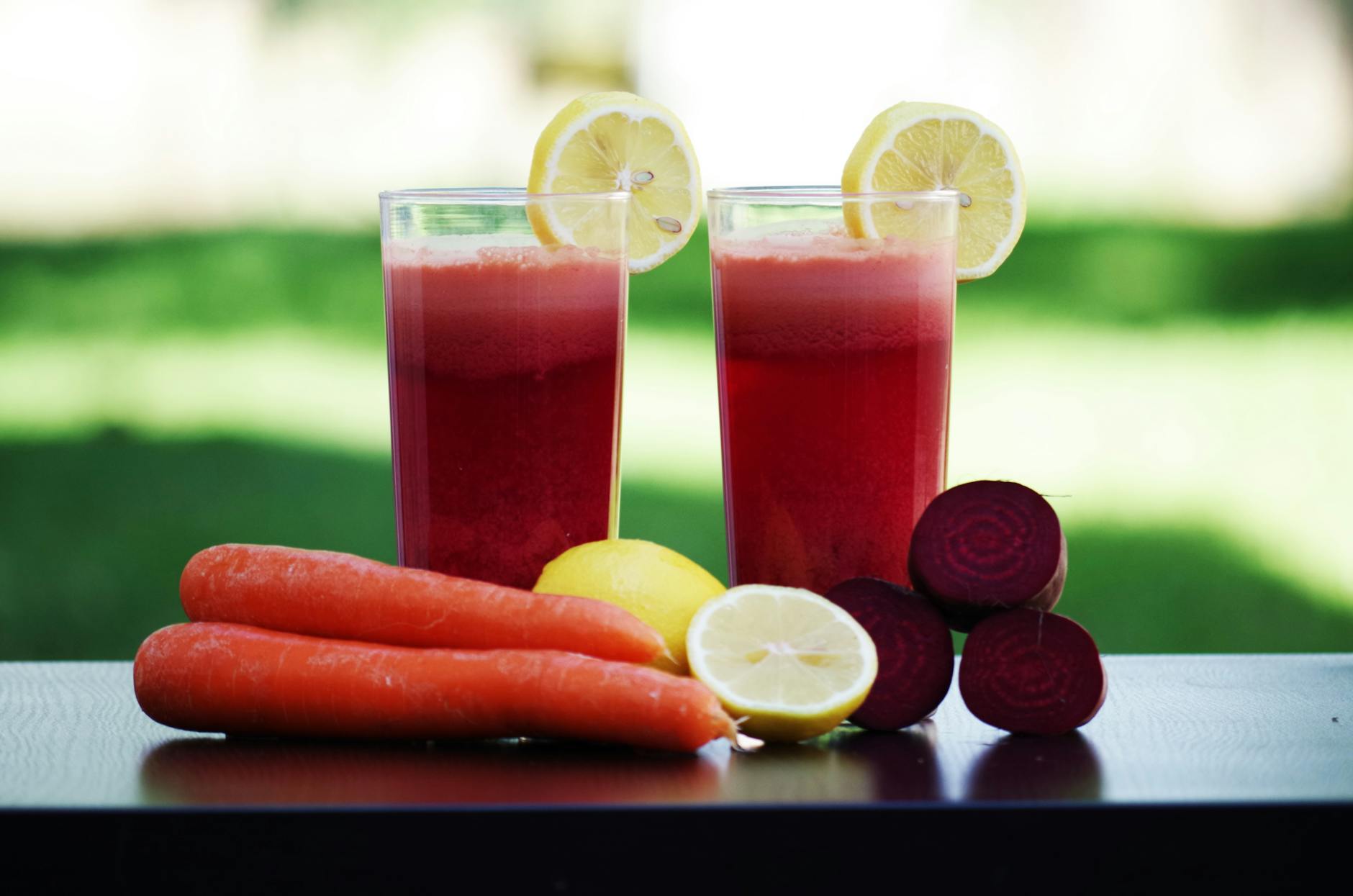
Beetroot juice can modestly lower blood pressure, mainly because it is rich in dietary nitrate. Your body turns that nitrate into nitric oxide, which relaxes and widens blood vessels so blood flows more easily. The effect is real but small, and it works best as one part of an overall healthy diet rather than a cure.
If you have seen beetroot juice described as a natural blood pressure fix, it helps to know what the science actually shows and where its limits are.
Does beetroot juice lower blood pressure? What the research shows
Beets are one of the richest food sources of inorganic nitrate. A 2015 study published in Hypertension, a journal of the American Heart Association, found that drinking about 250 mL of beetroot juice a day lowered blood pressure by roughly 8 mmHg systolic in people with high blood pressure, with the benefit sustained over four weeks. Reviews of several nitrate trials point in the same direction, reporting small average reductions in systolic pressure.
The mechanism is well understood. Nitrate from the beets is converted in the body to nitrite and then to nitric oxide, a molecule that signals blood vessel walls to relax. Wider, more relaxed vessels mean slightly lower pressure.
How much it actually helps
A drop of a few mmHg is worth having, but keep it in perspective. The AHA and Mayo Clinic point to larger gains from the core habits: a DASH-style diet, less sodium, regular activity, a healthy weight, and less alcohol. Beetroot juice can support those changes, not stand in for them.
The effect also fades once you stop drinking it, so any benefit depends on making it a regular habit rather than a one-off. If you want to fold it in, a small daily glass of 100 percent beetroot juice is a reasonable approach. You can also eat whole beets, which add fibre.
A couple of practical notes. Beets can tint your urine or stool pink, which is harmless. They are also high in oxalates, so if you have a history of kidney stones, check with your doctor first. And beetroot juice is not a reason to change or stop any prescribed medicine.
For the bigger picture, see our guide to how to lower your blood pressure naturally, the foods that lower blood pressure, and whether potassium lowers blood pressure.
When to see a doctor
Beetroot juice is a food, not a treatment for high blood pressure. If your readings are consistently 130/80 mmHg or higher under AHA categories, or 140/90 in a UK clinic setting, speak with a doctor about a proper plan. Never start or stop medication on your own.
Seek urgent help right away if you record a reading higher than 180/120 mmHg, especially with chest pain, shortness of breath, weakness or numbness, vision changes, or difficulty speaking, as this can signal an emergency. When in doubt about a reading or symptom, contact a healthcare professional. This guide is general information and does not replace personalised medical advice.
Start this habit in CardioVibe
Small changes add up when you can see them working. You can track your readings free in CardioVibe to notice whether a habit like a daily beetroot juice is nudging your numbers, and bring that record to your next appointment.
Frequently asked questions
How long does beetroot juice take to lower blood pressure?
Studies show a measurable dip within a few hours of drinking it, with a steadier effect when it is taken daily. The benefit fades once you stop, so consistency is what counts.
How much beetroot juice should I drink for blood pressure?
Research often uses around 250 mL a day. There is no official dose, so start small, choose 100 percent juice with no added sugar, and check with your doctor if you have kidney stones or take medication.
Is beetroot juice a substitute for blood pressure medication?
No. Its effect is modest and temporary. It can support a healthy diet, but it does not replace medicine or the advice of your doctor.
Can beetroot juice cause side effects?
For most people it is safe. It can turn urine or stool pink, which is harmless, and it is high in oxalates, so people prone to kidney stones should be cautious and ask a clinician.
Download CardioVibe
Take control of your blood pressure with small daily habits, and see exactly what's working as your readings improve.
Download CardioVibe
Keep every reading in one place, spot patterns early, and bring a clear history to your next GP appointment.