B — Lower BP
How to Lower Blood Pressure: The Complete Guide
To lower blood pressure, focus on a handful of daily habits backed by major health bodies: eat a diet rich in vegetables, fruit and whole grains, cut back on salt, move your body most days, reach a healthy weight, drink less alcohol, sleep well and manage stress. Together, these changes can make a real difference.
If you have just been told your numbers are high, take a breath. High blood pressure is common, it is manageable, and the steps that bring it down are the same ones that help you feel better overall. This guide walks you through what the numbers mean, what actually works, and how to turn good intentions into habits that stick. None of this replaces your doctor’s advice — think of it as a companion to it.
What counts as high blood pressure?
Blood pressure is written as two numbers: systolic (the top number, the pressure when your heart beats) over diastolic (the bottom number, the pressure when your heart rests between beats). According to the American Heart Association (AHA), the categories are:
- Normal: less than 120/80 mmHg
- Elevated: 120 to 129 systolic and less than 80 diastolic
- Stage 1 hypertension: 130 to 139 systolic or 80 to 89 diastolic
- Stage 2 hypertension: 140 or higher systolic, or 90 or higher diastolic
- Hypertensive crisis: higher than 180 and/or 120 — seek care right away
One high reading does not mean you have hypertension. Blood pressure naturally rises and falls through the day, so doctors look at the pattern over time. That is why keeping track of your own readings matters so much, and it is the first step toward bringing them down. For a deeper breakdown of what each number means, see our guide to understanding your blood pressure readings.
Why lowering your blood pressure is worth it
High blood pressure is often called the “silent” condition because it usually has no symptoms, yet over time it strains your heart and blood vessels. The U.S. Centers for Disease Control and Prevention (CDC) and the UK’s NHS both note that unmanaged high blood pressure raises the risk of heart attack, stroke, kidney disease and other serious problems. The encouraging part: even modest reductions in blood pressure meaningfully lower those risks, and most of the tools are in your own hands.
How to lower blood pressure: the habits that work
The good news is that lifestyle changes are genuinely powerful. Mayo Clinic and the AHA highlight a consistent set of habits, several of which can lower readings by amounts comparable to a single medication. Here is where to focus.
1. Eat for your heart (the DASH approach)
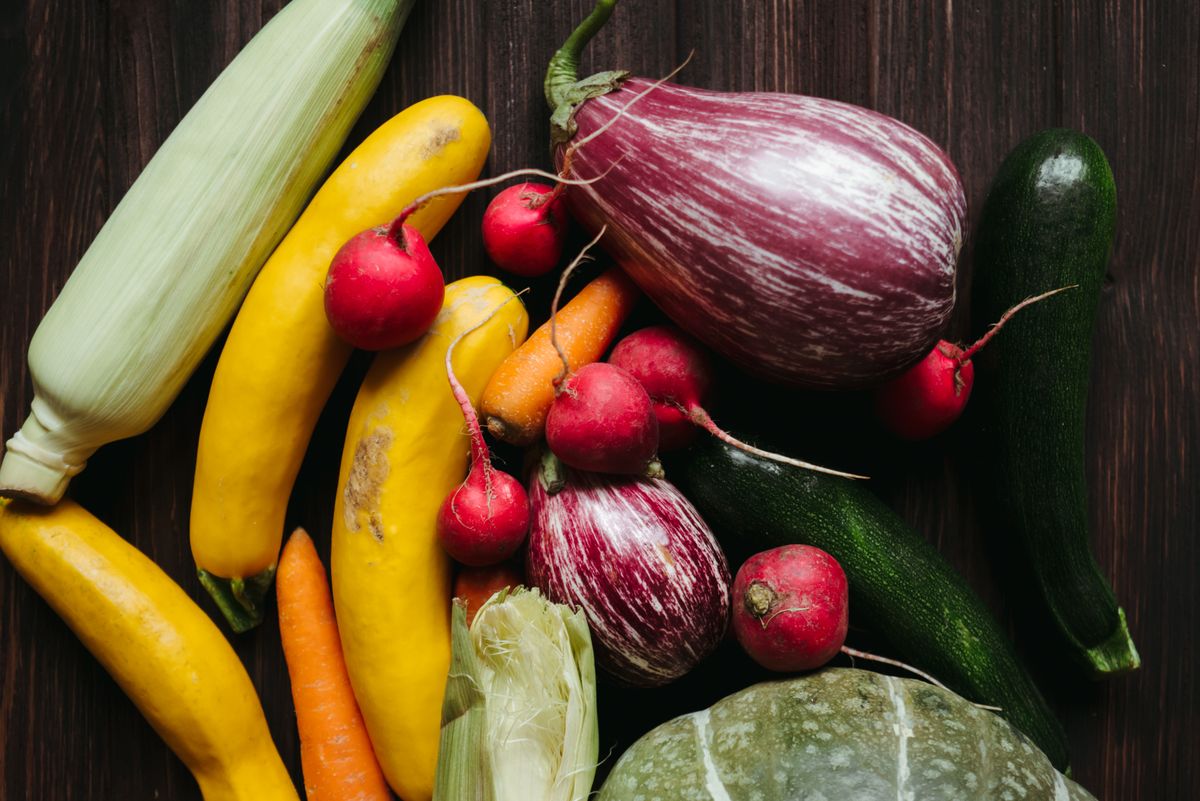
The Dietary Approaches to Stop Hypertension (DASH) eating plan is the gold standard. It emphasises vegetables, fruit, whole grains, beans, nuts and low-fat dairy, while easing back on red meat, sweets and saturated fat. Mayo Clinic notes that a diet like this can lower blood pressure by up to 11 mmHg. The Mediterranean diet follows similar principles and works well too.
You do not have to overhaul everything overnight. Adding one extra serving of vegetables, swapping white bread for whole grain, or choosing fruit instead of a sugary snack are small wins that add up.
2. Cut back on salt (sodium)
Most of us eat far more sodium than we need, and the bulk of it hides in processed and packaged foods rather than the salt shaker. The AHA recommends aiming for no more than 2,300 mg a day, moving toward an ideal limit of 1,500 mg for most adults. Mayo Clinic notes this can lower blood pressure by roughly 5 to 6 mmHg. Reading labels, cooking more at home and seasoning with herbs and spices instead of salt are the easiest ways to start.
3. Move your body most days
Regular aerobic activity, such as brisk walking, cycling, swimming or dancing, can lower blood pressure by about 5 to 8 mmHg, according to Mayo Clinic. Aim for at least 150 minutes of moderate activity a week, or around 30 minutes on most days. Consistency matters more than intensity; if you stop, your blood pressure can drift back up, so the goal is to find something you will actually keep doing.
4. Reach and keep a healthy weight
Weight and blood pressure tend to travel together. Mayo Clinic notes that blood pressure can drop by about 1 mmHg for every kilogram (about 2.2 pounds) of weight lost. You do not need a dramatic transformation — even a modest loss, especially around the waistline, can help. The same diet and movement habits above do most of the work here.
5. Drink less alcohol
Drinking too much alcohol raises blood pressure and can make blood pressure medicines less effective. Health bodies generally advise keeping intake low, and if you do not drink, there is no health reason to start. Cutting back is one of the faster-acting changes you can make.
6. Don’t smoke
Each cigarette temporarily raises your blood pressure, and smoking damages blood vessels over the long term. Quitting is one of the best things you can do for your heart and overall health. Support is available, and your doctor or local health service can point you to programmes that improve your odds.
7. Sleep well and manage stress
Poor sleep and chronic stress both contribute to higher blood pressure. Aim for restful, consistent sleep, and build in ways to wind down, such as slow breathing, time outdoors, gentle movement, or simply protecting time to rest. If you snore heavily or wake unrefreshed, ask your doctor about sleep apnea, which is closely linked to high blood pressure.
8. Watch caffeine and get enough potassium
Caffeine can cause a short-term spike in some people; if you are sensitive, notice how your readings respond. Potassium, meanwhile, helps balance the effects of sodium and ease tension in blood vessel walls, and a DASH-style diet naturally delivers it. Potassium-rich foods worth working into your week include:
- Leafy greens like spinach and Swiss chard
- Bananas, oranges and dried apricots
- Beans, lentils and other legumes
- Potatoes and sweet potatoes (baked, not fried)
- Tomatoes, avocado and low-fat yoghurt
If you have kidney disease or take certain medicines, check with your doctor before increasing potassium, since it is not right for everyone.
Putting it together: start small and track
Reading a list of habits is easy; living them is the hard part. The trick is to start with one change, attach it to something you already do, and track your progress so you can see it working. Pick the habit that feels most doable this week — maybe a 20-minute walk after dinner or swapping your usual snack — and build from there.
Tracking is what turns scattered effort into a clear picture. When you log your readings regularly, you can see whether a new habit is moving the numbers, spot patterns (like higher mornings or stress spikes), and bring real data to your next appointment. For a simple routine, see our guide on the best time of day to take your blood pressure, or browse the full Blood Pressure Guides library for more quick wins.
How quickly can you lower blood pressure?
This is one of the most common questions, and the honest answer is that it varies. Some changes work fast: cutting back on salt and alcohol, or starting regular activity, can begin nudging your numbers down within days to a few weeks. Others, like weight loss and the full benefit of a DASH-style diet, build more gradually over weeks and months. Because blood pressure fluctuates naturally, the most reliable way to judge progress is to track readings over time rather than reacting to any single measurement. Be patient and consistent: steady habits beat short bursts of intense effort that don’t last.
A simple starter plan for your first month
If the full list feels like a lot, you don’t need to tackle everything at once. Here is one gentle way to layer the habits in over four weeks:
- Week 1 — Measure and notice. Take a reading at the same time each day and write it down. Don’t change anything yet; just build the tracking habit and get your baseline.
- Week 2 — Add movement. Fit in a 20 to 30 minute walk most days. Pair it with something you already do, like an after-dinner stroll.
- Week 3 — Tackle salt. Start reading food labels, cook one or two more meals at home, and season with herbs instead of the salt shaker.
- Week 4 — Build the plate. Add an extra serving of vegetables or fruit to your meals and swap refined grains for whole grains.
By the end of the month you will have a baseline, four new habits and a record showing how your numbers are responding. From there, layer in sleep, stress and alcohol changes at a pace that feels sustainable. The aim isn’t perfection — it’s habits you can keep for the long run.
What about medication?
For some people, lifestyle changes alone bring blood pressure into a healthy range. For others, medication is an important part of the picture, and that’s nothing to feel discouraged about. Even when you take medicine, the habits above make it work better and may lower the dose you need. The right plan is a conversation between you and your doctor, informed by your full health history. Never start, stop or change a prescription on your own.
When to see a doctor
Most blood pressure management happens gradually, but some situations need prompt attention:
- Call emergency services if you have a reading higher than 180/120 mmHg together with chest pain, shortness of breath, weakness or numbness, vision changes, difficulty speaking, or a severe headache, as these can signal a medical emergency.
- Contact your doctor soon if your home readings are consistently 130/80 mmHg or above, if they are rising over time, or if you feel unwell.
- Check in regularly if you have been diagnosed with high blood pressure, even when you feel fine, so your plan stays on track.
When in doubt, reach out to a healthcare professional. This guide is for general information and isn’t a substitute for personalised medical advice.
Frequently asked questions
Can you lower blood pressure without medication? For many people with mildly elevated or stage 1 readings, lifestyle changes alone can bring blood pressure into a healthier range, and even when medication is needed, those habits make it more effective. Your doctor can help you decide what’s right based on your numbers and overall risk.
What is the single best way to lower blood pressure? There’s no one magic change. The biggest gains usually come from combining a DASH-style diet, less salt, regular activity and a healthy weight. Because these habits build on each other, consistency across several of them tends to beat doing any one perfectly.
Does drinking water lower blood pressure? Staying well hydrated supports healthy circulation, but water itself isn’t a treatment for high blood pressure. The habits in this guide — diet, movement, less salt and alcohol — do the heavy lifting.
The bottom line
Lowering your blood pressure comes down to a set of everyday habits — eating well, cutting salt, moving regularly, sleeping enough, drinking less and managing stress — practised consistently over time. You don’t have to do everything at once. Choose one change, track how it goes, and let small wins build into lasting ones.
Medically reviewed by: _________________ (clinician name and credential to be added)
Last reviewed: June 2026
Sources: American Heart Association (Understanding Blood Pressure Readings; Life’s Essential 8, Manage Blood Pressure); Mayo Clinic (10 ways to control high blood pressure without medication); U.S. Centers for Disease Control and Prevention (CDC); UK National Health Service (NHS, High blood pressure).
Start this habit in CardioVibe
The hardest part of lowering your blood pressure is staying consistent — and that’s exactly what CardioVibe is built for. Log your readings in seconds, watch your trends take shape over time, and turn these habits into a routine that sticks.
Download CardioVibe
Take control of your blood pressure with small daily habits, and see exactly what's working as your readings improve.
Download CardioVibe
Keep every reading in one place, spot patterns early, and bring a clear history to your next GP appointment.