
Hub
Managing high blood pressure with daily habits
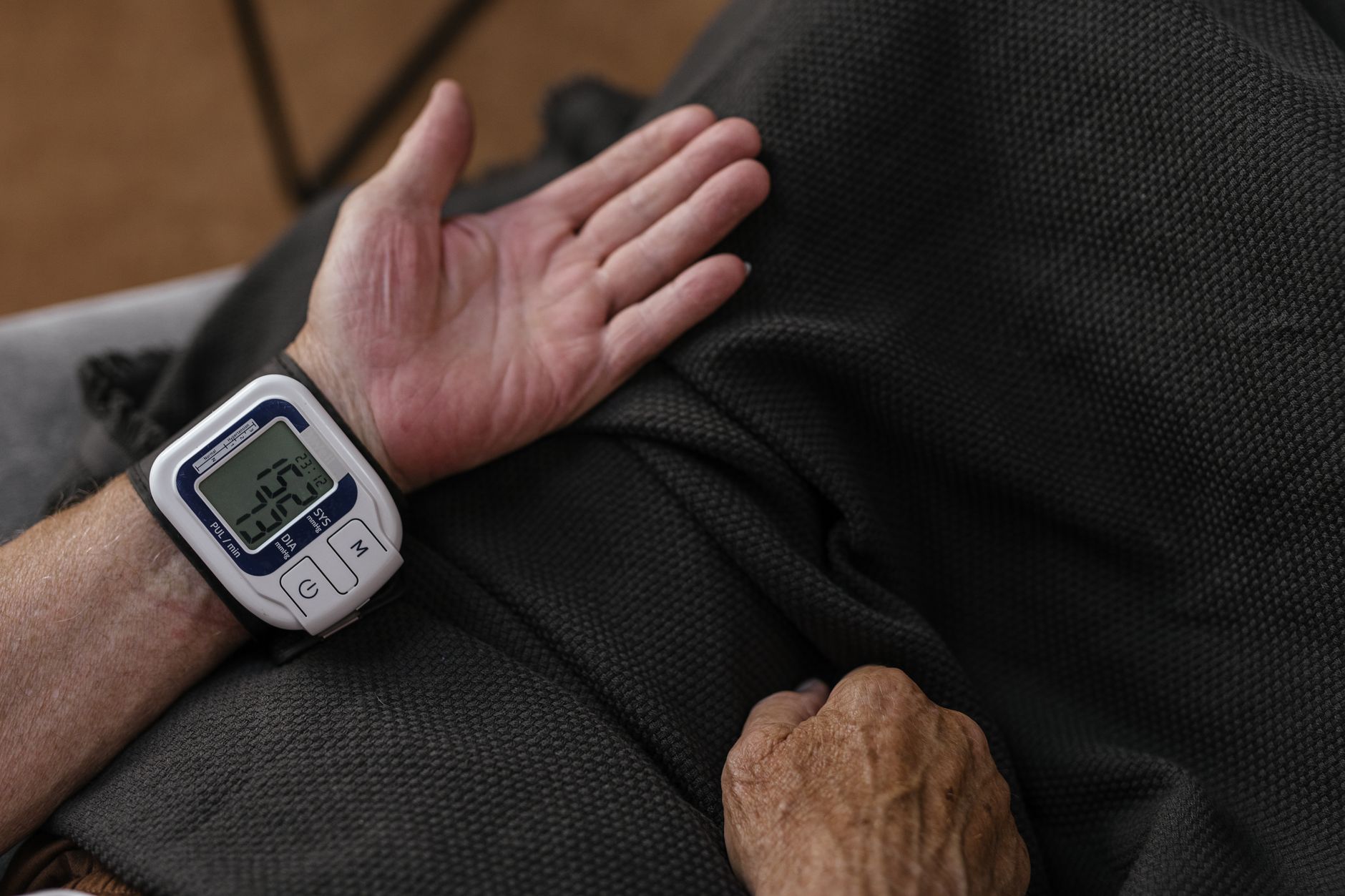
To manage high blood pressure, build a handful of daily habits that the major health bodies agree on: eat more vegetables, fruit and whole grains, cut back on salt, move your body most days, keep alcohol low, sleep well, manage stress, and take any prescribed medicine consistently. Tracked over time, these habits lower your numbers.
If you have recently been told your blood pressure is high, the word “manage” is the one that matters. High blood pressure is rarely something you fix once and forget. It is something you keep in a healthy range with steady, repeatable habits. The encouraging part is that the habits that bring your numbers down are the same ones that help you feel more energetic, sleep better and protect your heart for the long run. This guide walks through what the numbers mean, the habits that actually move them, and how to turn good intentions into a routine that sticks. None of it replaces your doctor’s advice. Think of it as a companion to it.
What “high blood pressure” actually means
Blood pressure is written as two numbers, systolic over diastolic, measured in mmHg. The top number is the pressure when your heart beats, the bottom number is the pressure when it rests between beats. According to the American Heart Association (AHA), the categories are:
- Normal: less than 120/80 mmHg
- Elevated: 120 to 129 systolic and less than 80 diastolic
- Stage 1 hypertension: 130 to 139 systolic or 80 to 89 diastolic
- Stage 2 hypertension: 140 or higher systolic, or 90 or higher diastolic
- Hypertensive crisis: higher than 180 and or 120, which needs urgent care
One high reading is not a diagnosis. Blood pressure rises and falls through the day, so clinicians look at the pattern across several readings and often across several visits. That is exactly why tracking matters when you want to manage high blood pressure: a single number tells you little, but a trend tells you whether your habits are working. For a fuller breakdown of each number, see our guide to understanding your blood pressure readings.
Why managing it is worth the effort
High blood pressure is often called the silent condition because it usually has no symptoms, yet over time it strains your arteries, heart, kidneys and brain. The US Centers for Disease Control and Prevention (CDC) and the UK’s NHS both note that unmanaged high blood pressure raises the risk of heart attack, stroke and kidney disease. The hopeful flip side, emphasised by both the AHA and Mayo Clinic, is that even modest, sustained reductions in blood pressure lower those risks, and most of the levers are daily habits within your control.
The daily habits that manage high blood pressure
No single change does all the work. The AHA, CDC, NHS and Mayo Clinic point to a consistent set of habits, and the effect compounds when you combine them. Here is where to focus.
Eat for your blood pressure
The eating pattern with the strongest evidence is DASH, short for Dietary Approaches to Stop Hypertension. The AHA and the US National Heart, Lung, and Blood Institute describe it simply: plenty of vegetables, fruit and whole grains, with beans, nuts, fish, poultry and low-fat dairy, and less red meat, sugary food and processed snacks. DASH is rich in potassium, which helps balance the effect of sodium on your body.
You do not need to overhaul everything overnight. Add one extra portion of vegetables to your largest meal, swap white bread for wholegrain, and make beans or lentils the base of two dinners a week. Small, repeated swaps are easier to keep than a dramatic diet that lasts a fortnight.
Cut back on salt
Sodium pulls water into your bloodstream and pushes pressure up. The AHA recommends no more than 2,300 mg of sodium a day for most adults, and ideally moving toward 1,500 mg for people with high blood pressure. Most of the salt we eat is not from the salt shaker, it is already in bread, sauces, processed meat and ready meals, so the biggest wins come from reading labels and cooking more at home. Season with herbs, citrus, garlic and spices instead of reaching for salt.
Move most days
Physical activity strengthens your heart so it pumps with less effort. The AHA and CDC recommend at least 150 minutes a week of moderate activity, which works out to about 30 minutes on five days. Brisk walking counts. So does cycling, swimming or dancing. If 30 minutes feels like a lot, three 10-minute walks across the day add up to the same thing, and the habit is what matters most.
Reach and keep a healthy weight
Carrying extra weight, particularly around the middle, raises blood pressure. Mayo Clinic notes that even a small loss can help, and that for many people each kilogram lost is associated with a measurable drop in blood pressure. Pair the eating and movement habits above and weight tends to follow, rather than treating it as a separate project.
Keep alcohol low and stop smoking
The NHS advises staying within 14 units of alcohol a week, spread across several days rather than saved up. Drinking above that consistently raises blood pressure. Smoking damages blood vessels and, although its long-term effect on baseline pressure is debated, quitting is one of the highest-value things you can do for your heart and arteries overall.
Sleep and stress
Poor sleep and chronic stress both nudge blood pressure up. The AHA links short or disrupted sleep with higher cardiovascular risk, so a consistent bedtime and a wind-down routine genuinely count as blood pressure habits. For stress, you do not need a perfect meditation practice. A daily walk, slow breathing for a few minutes, or time away from screens before bed all help.
Take prescribed medicine consistently
If your doctor has prescribed medication, taking it at the same time every day is itself a habit worth tracking. Skipped doses are one of the most common reasons blood pressure stays high despite good lifestyle changes. Lifestyle and medicine are not rivals, they work together.
How to turn habits into a routine that sticks
Knowing what to do is the easy part. Doing it on a Tuesday in November is the challenge. A few principles help.
Track one number and one habit at a time. Trying to change everything at once is how good intentions collapse. Pick the single habit most likely to fit your life, the daily walk, the lower-salt dinners, the consistent bedtime, and anchor it to something you already do.
Measure at the same time each day. Home monitoring turns an abstract goal into visible progress. The NHS suggests taking readings while seated and rested, ideally at the same times, and recording them so you and your clinician can see the trend rather than reacting to one stray number. For guidance on timing, see the best time to take your blood pressure, and for the bigger picture of lifestyle change, our guide to how to lower blood pressure.
Expect a gradual trend, not an overnight drop. Lifestyle changes typically show up over weeks, not days. Seeing the line move down over a month is far more motivating, and more accurate, than judging yourself on a single reading.
A simple weekly routine to manage high blood pressure
Habits stick when they live inside a routine rather than floating as good intentions. Here is one realistic week that pulls the levers above together, without asking you to change your whole life at once.
On most mornings, take a reading while seated and rested before breakfast, and note it down. Across the week, aim for five days with at least 30 minutes of movement, which can be a brisk walk on the way to work, a lunchtime stroll, or a cycle at the weekend. Plan three or four home-cooked, lower-salt dinners built around vegetables, beans or fish, and keep convenience meals for the busiest nights rather than every night. Hold alcohol to a few drink-free days, and protect a consistent bedtime so sleep does not slip.
None of this is dramatic, and that is the point. The AHA and NHS both stress consistency over intensity: a moderate routine you keep for months does far more than a strict plan you abandon in a fortnight. If you take medication, attach it to a fixed daily cue, such as brushing your teeth, so a dose is never forgotten.
At the end of each week, look at your readings as a trend rather than judging any single number. A line that is flat or trending down means your habits are doing their job. A line creeping up is a useful early signal to revisit your salt, sleep or activity, or to check in with your doctor.
When to see a doctor
Daily habits are powerful, but they are not a substitute for medical care. Speak to your doctor if your readings stay in the Stage 1 or Stage 2 range despite lifestyle changes, if they are climbing, or before starting a new exercise programme when you have other health conditions. Seek urgent care immediately if you get a reading higher than 180 and or 120 mmHg, especially with chest pain, shortness of breath, severe headache, vision changes or weakness, as this can signal a hypertensive crisis. When in doubt, call your clinician.
The short version
- Managing high blood pressure is about steady daily habits, not a one-time fix.
- The biggest levers are a DASH-style diet, less salt, regular movement, a healthy weight, low alcohol, good sleep and consistent medication.
- Track one habit and your readings over time, because the trend is what tells you it is working.
- Get medical help if readings stay high, climb, or spike into crisis territory.
Want to make it easier to keep these habits going? Start this habit in CardioVibe and watch your readings trend in one place.
FAQ
How can I manage high blood pressure without medication?
Many people with elevated or Stage 1 blood pressure can lower their numbers with lifestyle changes alone: a DASH-style diet, less salt, regular movement, weight loss if needed, low alcohol and good sleep. Always agree your plan with your doctor, who can tell you whether lifestyle changes alone are appropriate for you.
How long does it take to lower blood pressure with daily habits?
Most lifestyle changes show up over a few weeks rather than days. Cutting salt and getting more active can shift readings within two to four weeks, but the trend over a month or more is the reliable signal, which is why daily tracking helps.
What is the single most effective habit for high blood pressure?
There is no single magic habit. The AHA and Mayo Clinic find that combining several changes, especially reducing salt, following a DASH-style diet and being active, has a much larger effect than any one alone. Start with the one you can keep consistently.
When is high blood pressure an emergency?
A reading higher than 180 and or 120 mmHg may be a hypertensive crisis, particularly with chest pain, shortness of breath, severe headache, vision changes or weakness. Seek urgent medical care straight away rather than waiting to recheck later.
Download CardioVibe
Take control of your blood pressure with small daily habits, and see exactly what's working as your readings improve.
Download CardioVibe
Keep every reading in one place, spot patterns early, and bring a clear history to your next GP appointment.