C — Readings (programmatic)
What does a blood pressure of 110/80 mean?

A blood pressure of 110/80 is mostly reassuring. The top number, 110, is comfortably normal, while the bottom number, 80, sits right at the edge of the American Heart Association’s normal range. One reading like this is not a concern on its own, but it is worth understanding why the diastolic matters.
This short guide breaks down what each number in a 110/80 reading means, where it falls on the official categories, and when a diastolic of 80 is worth a second look.
What the two numbers mean
Every blood pressure reading has a top number and a bottom number, measured in millimetres of mercury (mmHg).
The top number, 110, is your systolic pressure, the force in your arteries each time your heart beats. The bottom number, 80, is your diastolic pressure, the force while your heart rests and refills between beats. So “110 over 80” means a systolic of 110 and a diastolic of 80. Both numbers count, and a reading is judged by whichever one sits in the higher category.
Where 110/80 sits on the AHA categories
The American Heart Association sorts blood pressure into bands. Normal is below 120 systolic and below 80 diastolic, meaning both numbers need to be under those values. Elevated is 120 to 129 systolic with a diastolic still under 80. Stage 1 high blood pressure begins at 130 to 139 systolic or 80 to 89 diastolic.
At 110/80 your systolic of 110 is firmly normal, but your diastolic of 80 lands exactly on the line the AHA uses. Because normal requires a diastolic below 80, a reading of 80 is at the very edge of the range rather than comfortably inside it. It is not a diagnosis of high blood pressure, especially from a single reading, but it is a number worth keeping an eye on. You can see the full breakdown and other common results in our guide to understanding your blood pressure readings.
Is a diastolic of 80 something to worry about?
Not from one reading. Blood pressure rises and falls through the day with activity, stress, caffeine, posture and even a full bladder, so a single 80 can easily be a normal fluctuation. What matters is the pattern. If your diastolic is regularly 80 or higher across several careful readings, that is worth mentioning to your doctor, since it edges toward the stage 1 range.
The reassuring part is that the same everyday habits that keep the whole reading healthy also help the bottom number. Mayo Clinic and the AHA point to the familiar short list: eat plenty of vegetables, fruit and wholegrains with less salt, move most days, keep a healthy weight, limit alcohol, sleep well and manage stress. For focused tips, see our guide on how to lower diastolic blood pressure.
How to get a reading you can trust
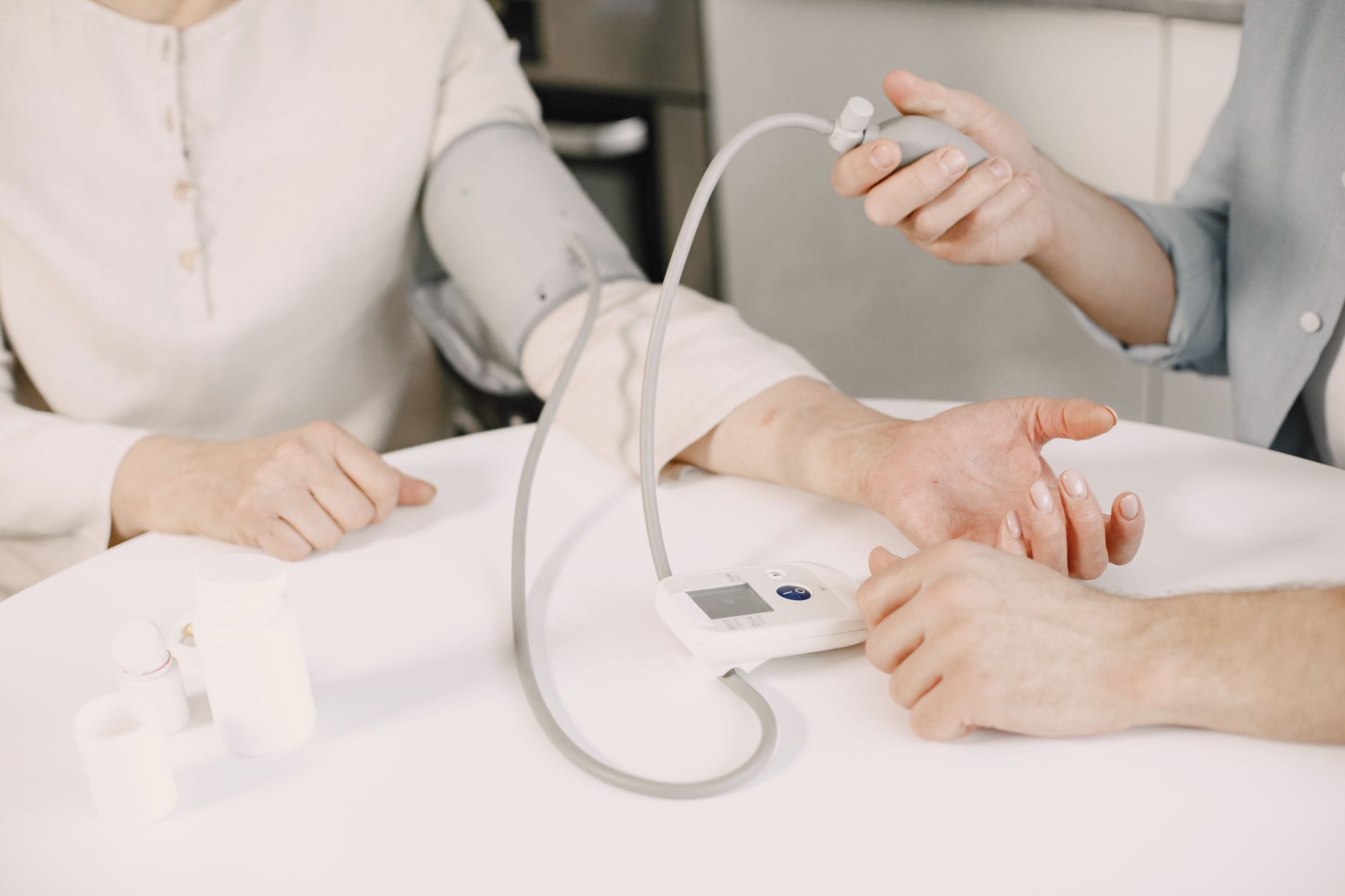
A number this close to a threshold is exactly where good technique pays off. Sit quietly for five minutes first, keep your back supported and feet flat, rest your arm at heart height, and take two readings a minute apart. Measuring at consistent times turns single results into a trend. Our guides on the best time to take your blood pressure and how often to check it walk through the details.
When to see a doctor
A single 110/80 is not a cause for concern. Book a routine appointment if your readings are regularly 130/80 mmHg or above, or if your diastolic keeps sitting at 80 or higher over time.
Seek urgent help right away if a reading reaches 180/120 mmHg or higher, especially with chest pain, shortness of breath, weakness, trouble speaking, vision changes or a severe headache, as these can signal a hypertensive crisis. This guide is general information and is not a substitute for personalised medical advice.
Frequently asked questions
Is 110/80 normal blood pressure?
The systolic of 110 is normal, but the diastolic of 80 sits right at the edge of the AHA normal range, which requires both numbers below 120/80 mmHg. One reading is not a diagnosis, though a diastolic regularly at 80 or above is worth watching.
Is 110/80 high blood pressure?
No, a single 110/80 is not high blood pressure. The diastolic touches the lower boundary of the stage 1 band, but high blood pressure is diagnosed from a consistent pattern of readings, not one result.
What should I do about a diastolic of 80?
Keep tracking with good technique at consistent times. If your diastolic stays at 80 or higher across several readings, mention it to your doctor, and support it with heart-healthy habits like less salt and regular activity.
Log this reading in CardioVibe
A number sitting right on a threshold is the perfect reason to watch the trend. Log this reading in CardioVibe, track it alongside your everyday habits, and see whether your diastolic settles over time.
Download CardioVibe
Take control of your blood pressure with small daily habits, and see exactly what's working as your readings improve.
Download CardioVibe
Keep every reading in one place, spot patterns early, and bring a clear history to your next GP appointment.