C - Readings (programmatic)
What does a blood pressure of 105/65 mean?
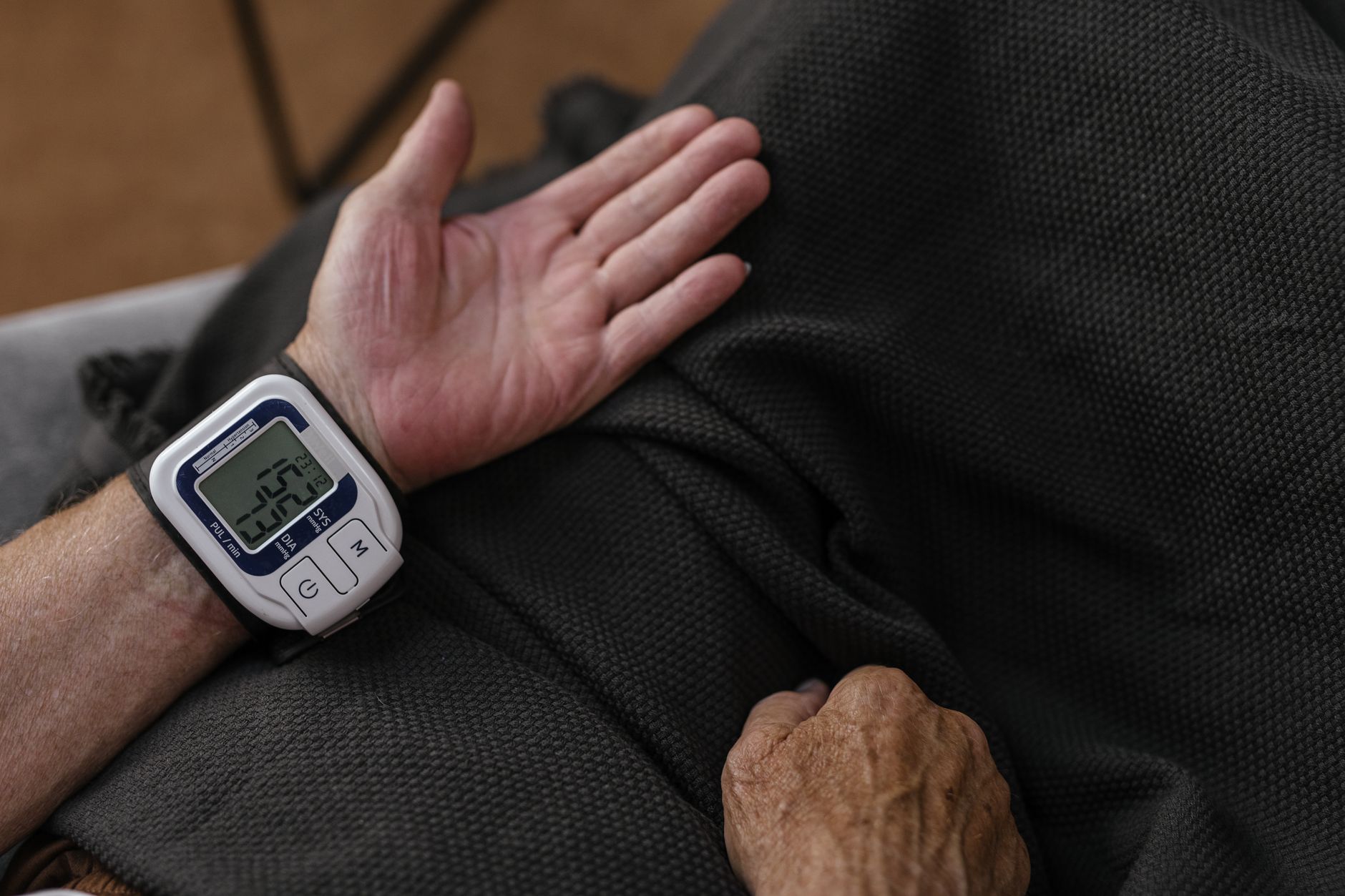
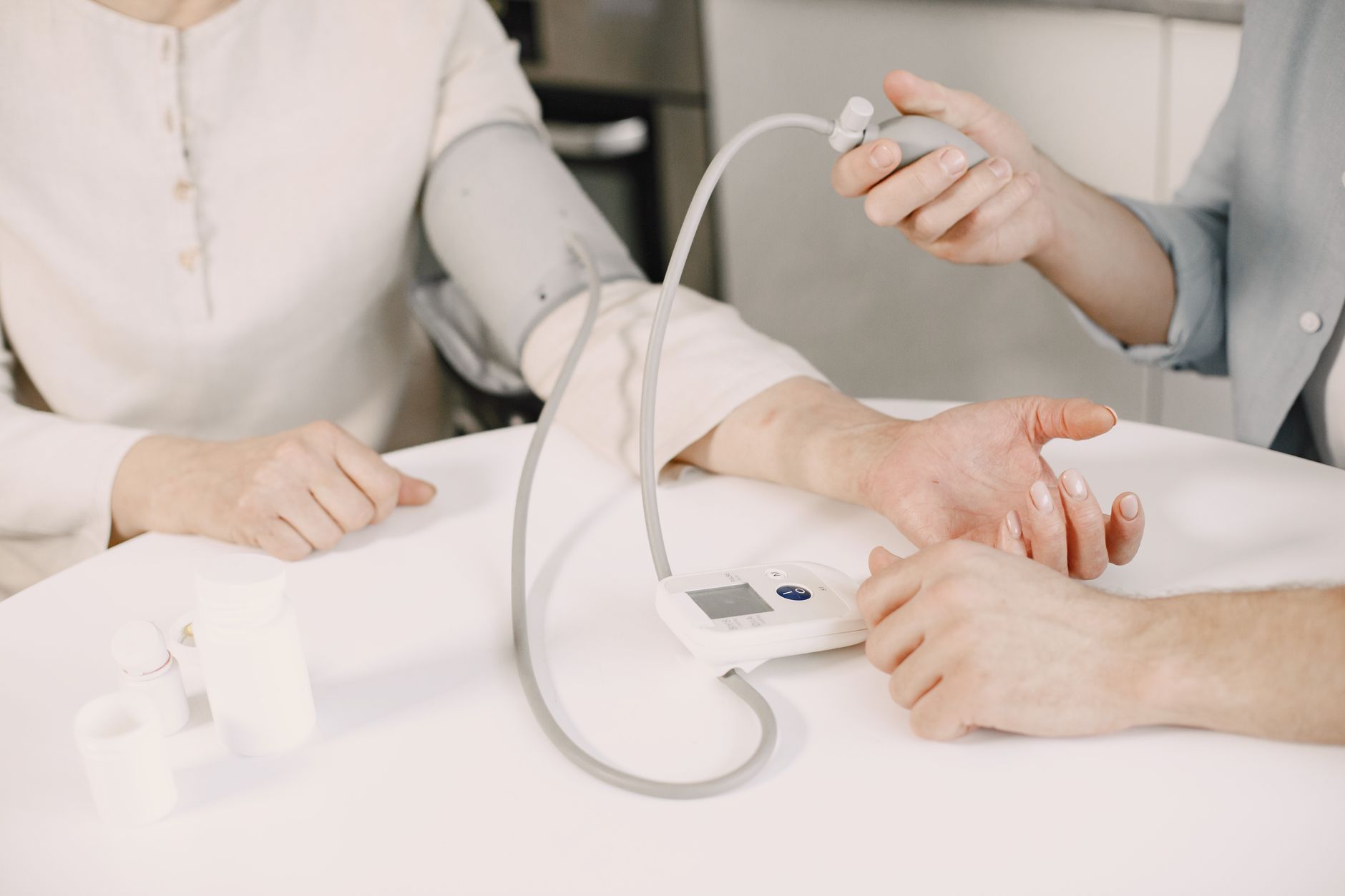
A blood pressure of 105/65 mmHg is a normal, healthy reading. The American Heart Association (AHA) puts normal blood pressure below 120/80 mmHg, and 105/65 sits comfortably inside that range on both numbers. It is on the lower side of normal, which for most people is a good sign rather than a problem.
This short guide explains what the two numbers mean, why 105/65 is reassuring, and the few situations where a low-ish reading is worth checking.
What a 105/65 blood pressure reading means
Every reading has two numbers, measured in millimetres of mercury (mmHg). The top number is systolic pressure, the force as your heart beats. The bottom number is diastolic pressure, the force while your heart rests between beats. So 105/65 means a systolic of 105 and a diastolic of 65.
Both numbers are below the normal thresholds, so the reading lands firmly in the normal band. It is also comfortably above the point where blood pressure is considered low, which the NHS describes as under 90/60 mmHg.
Where 105/65 sits on the categories
The American Heart Association sorts adult blood pressure into five bands. Normal is below 120 systolic and below 80 diastolic. Elevated is 120 to 129 systolic with a diastolic still below 80. Stage 1 high blood pressure starts at 130 to 139 systolic or 80 to 89 diastolic.
At 105/65 you are well below both normal thresholds, so the reading is clearly normal. The NHS describes a healthy adult range as roughly 90/60 to 120/80, and 105/65 sits in the middle-to-lower part of that range. You can see the full breakdown and other common results in our guide to understanding your blood pressure readings and in blood pressure ranges explained.
Is 105/65 too low?
Usually not. A naturally low-normal reading like 105/65 is common in fit, healthy adults and is often a sign the heart is working efficiently. The AHA notes that low blood pressure is generally only treated when it causes symptoms. What matters most is how you feel. A 105/65 reading with no symptoms is reassuring, while the same number alongside dizziness or fainting is worth looking into.
To keep readings steady, the usual habits help: stay hydrated, stand up slowly rather than suddenly, and eat regular meals. If you want to compare with a reading at the top of the healthy band, see what a 120/80 reading means, or check what a 110/70 reading means.
When to see a doctor
A 105/65 reading on its own is not a concern and needs no action if you feel well. Speak with a clinician if low-ish readings come with symptoms such as dizziness, lightheadedness, blurred vision, nausea, unusual tiredness, or fainting, or if your blood pressure drops suddenly without an obvious reason.
Seek urgent help right away if you faint, or if very low blood pressure comes with cold, clammy, pale skin, rapid shallow breathing, a weak and fast pulse, or confusion, as these can be signs of shock and need emergency care. When in doubt about any reading or symptom, it is safest to speak with a healthcare professional. This guide is general information, not a substitute for personalised medical advice.
Log this reading in CardioVibe
One number rarely tells the whole story; the real value is watching the pattern. You can log this reading free in CardioVibe, keeping your numbers ready to share with your doctor. It supports your care rather than replacing it.
Frequently asked questions
Is 105/65 blood pressure good?
Yes, for most people it is a healthy, normal reading. Both numbers are below the AHA normal thresholds of 120/80, and it sits above the low blood pressure line of 90/60 that the NHS uses.
Is 105/65 considered low blood pressure?
No. Low blood pressure, or hypotension, generally means a reading under 90/60 mmHg. At 105/65 you are above that boundary, in the lower part of the normal range.
Should I worry about a 105/65 reading?
Not if you feel well and it is your usual number. It is only worth checking if it comes with symptoms like dizziness or fainting, or if it drops suddenly.
What is a normal blood pressure range?
The AHA counts normal as below 120/80 mmHg, and the NHS describes a healthy range of roughly 90/60 to 120/80. A reading of 105/65 falls comfortably inside that range.
Download CardioVibe
Take control of your blood pressure with small daily habits, and see exactly what's working as your readings improve.
Download CardioVibe
Keep every reading in one place, spot patterns early, and bring a clear history to your next GP appointment.