
C - Normal/ranges
Blood pressure ranges explained (low, normal, high)
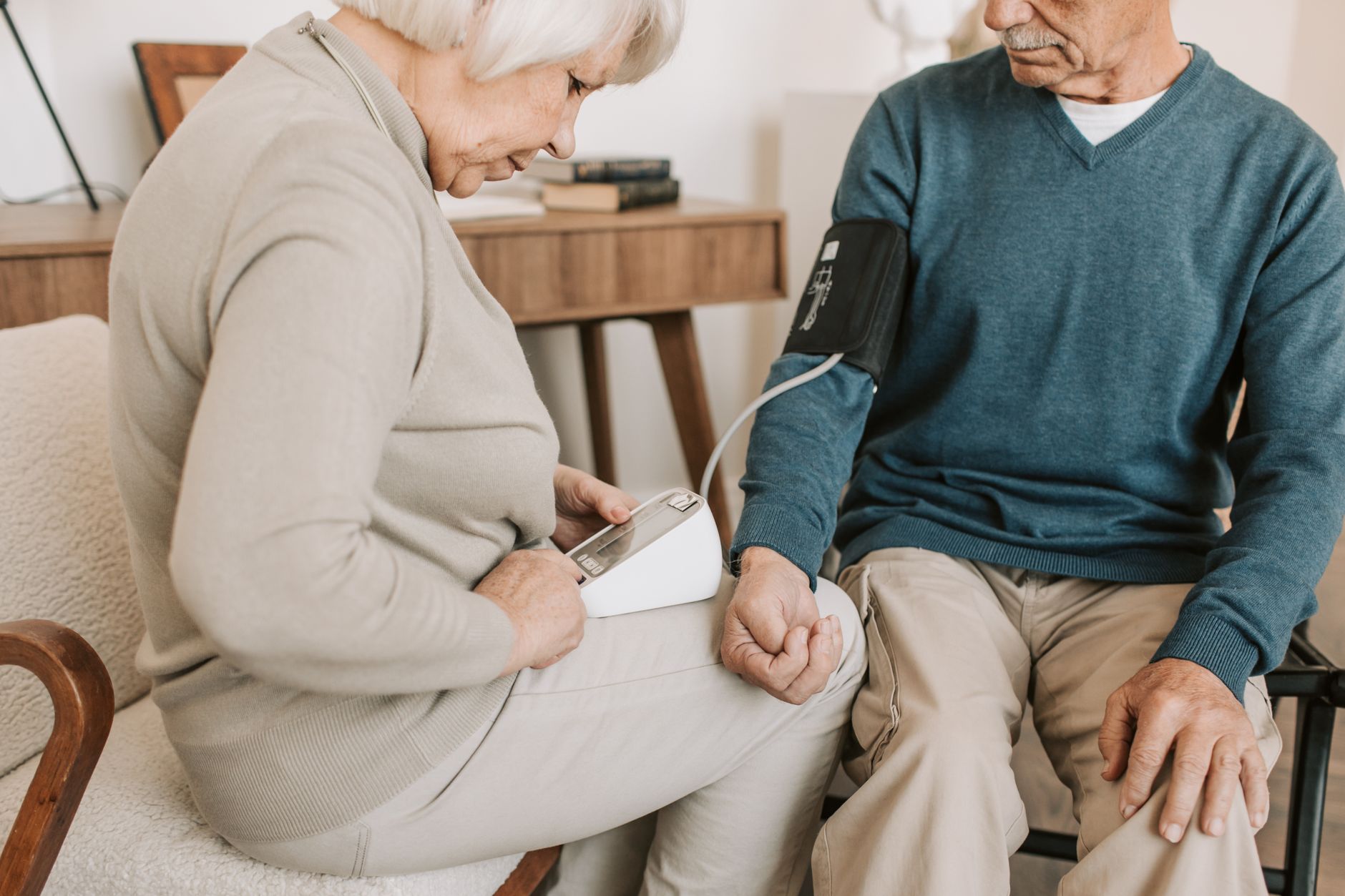
For most adults, normal blood pressure is below 120/80 mmHg. The American Heart Association calls 120 to 129 systolic elevated, 130/80 mmHg or above hypertension, and anything over 180/120 mmHg a crisis. Readings around 90/60 mmHg or lower are generally considered low.
Those numbers are the short version. The longer version is more useful, because blood pressure ranges are not a pass or fail line. They are bands, they differ slightly between US and UK guidance, and a single reading rarely places you anywhere on its own. Here is what each range means and what it asks of you.
How a reading is written
Every reading has two numbers measured in millimetres of mercury, or mmHg. The top number is systolic pressure, the force in your arteries as the heart beats. The bottom number is diastolic pressure, the force between beats. So 118/76 mmHg means a systolic of 118 and a diastolic of 76.
You only need one of the two numbers to be in a higher band for the reading to land there. A reading of 125/92 mmHg counts as stage 1 hypertension because of the diastolic, even though the systolic is only elevated. Our guide to systolic and diastolic numbers goes deeper on why the two behave differently.
Blood pressure ranges for adults (AHA)
The American Heart Association and American College of Cardiology define five adult categories:
- Normal: less than 120 systolic and less than 80 diastolic
- Elevated: 120 to 129 systolic and less than 80 diastolic
- Hypertension stage 1: 130 to 139 systolic or 80 to 89 diastolic
- Hypertension stage 2: 140 or higher systolic, or 90 or higher diastolic
- Hypertensive crisis: higher than 180 systolic, or higher than 120 diastolic
Two things worth knowing. The 130/80 mmHg threshold arrived with the 2017 guideline, which lowered the line from the older 140/90 mmHg, so plenty of people were reclassified without their readings changing. And the crisis band is not something you manage at home, it is a prompt to get help.
How UK guidance differs
The NHS describes an ideal adult range as roughly 90/60 mmHg to 120/80 mmHg, and treats a clinic reading of 140/90 mmHg or above as high blood pressure. Because readings taken at a surgery run higher for many people, UK guidance uses a lower threshold for measurements taken at home: an average of 135/85 mmHg or above counts as high.
So a reading of 136/86 mmHg would be stage 1 hypertension under AHA categories, and would also meet the NHS home threshold, while sitting below the NHS clinic line. This is not a contradiction so much as two systems drawing the line at different points on the same risk curve. If you are comparing settings, home versus pharmacy versus doctor readings explains why the numbers move.
What the low end means
Low blood pressure, or hypotension, is generally described as readings around 90/60 mmHg or lower by both the American Heart Association and the NHS. Unlike high blood pressure, low readings are usually only treated as a problem when they come with symptoms: dizziness or lightheadedness, fainting, blurred vision, nausea, unusual fatigue or trouble concentrating.
Plenty of healthy people, particularly younger adults and regular exercisers, simply run low and feel fine. A sudden drop from your usual range matters more, and can point to dehydration, blood loss, a medication effect or an underlying condition. Our page on what a reading of 90/60 means covers this.
Do blood pressure ranges change with age?
The categories themselves do not. The American Heart Association applies the same adult ranges regardless of age, so 135/85 mmHg is stage 1 hypertension at 35 and at 75. What does change is how common each band becomes: the CDC reports that the prevalence of hypertension rises steadily with age, largely because arteries stiffen over time and systolic pressure tends to climb.
That difference between average and healthy matters. An age-typical reading is not automatically a good one. Treatment targets can be individualised for older adults, especially where frailty or other conditions are involved, but that is a clinical judgement rather than a different chart. See normal blood pressure by age for how the averages actually shift.
Children are the real exception. Paediatric blood pressure is assessed against percentiles for age, sex and height rather than fixed numbers, so adult ranges do not apply to them at all.
One reading is not a range
Blood pressure is not a fixed property of your body. It moves through the day, dipping overnight and rising in the hours around waking, and it responds to caffeine, a full bladder, a recent cigarette, conversation, stress and how you are sitting. A number taken badly can land a full band away from your true average.
That is why guidance across the AHA, NHS and NICE leans on averages rather than single measurements. To get a reading that reflects your actual range:
- Avoid caffeine, exercise and smoking for 30 minutes beforehand, and empty your bladder.
- Sit with your back supported and feet flat on the floor, and rest quietly for five minutes.
- Support your arm at heart level and use a correctly sized cuff on bare skin.
- Stay quiet during the measurement, then take two or three readings a minute apart and average them.
The full technique is in our guide to measuring blood pressure at home, and the best time to take your blood pressure helps you pick a slot you can repeat.
What to do with the range you are in
- Normal: keep doing what you are doing, and check periodically so you notice any upward trend early.
- Elevated: this is the warning band, not a diagnosis. Lifestyle changes are the recommended response, and they work well at this stage. Start with how to lower your blood pressure.
- Stage 1: worth a conversation with your doctor. Depending on your overall cardiovascular risk, the plan may be habits alone or habits plus medication.
- Stage 2: see a clinician. Medication is usually part of the plan alongside lifestyle changes.
In every band, the trend over weeks tells you more than any single number.
When to see a doctor
- Seek emergency care for a reading above 180/120 mmHg with chest pain, shortness of breath, weakness or numbness, vision changes, difficulty speaking or a severe headache. The American Heart Association classes this as a hypertensive crisis.
- Recheck after five minutes, then call your doctor promptly if a reading is above 180/120 mmHg without those symptoms and stays there.
- Book an appointment if your home average sits at 130/80 mmHg or above, if it is climbing, or if low readings come with dizziness or fainting.
This page is general information and does not replace advice from a healthcare professional who knows your history.
Frequently asked questions
What is a good blood pressure range? For most adults, below 120/80 mmHg is the target the American Heart Association describes as normal, and the NHS puts the ideal range at roughly 90/60 mmHg to 120/80 mmHg. Your own target may differ if you have diabetes, kidney disease or other conditions, so check with your doctor.
Is 130/80 mmHg high? Under the 2017 AHA and ACC categories, yes, 130/80 mmHg is stage 1 hypertension. Under NHS clinic thresholds it would not yet be labelled high. Either way it sits above normal and is worth watching. See what 130/80 means.
Why are my readings different every time? Normal variation. Blood pressure changes with time of day, posture, stress, caffeine and measurement technique, so swings of 10 to 20 mmHg across a day are common. Judge yourself on the average of repeated readings, not a single one.
What blood pressure range is dangerous? Anything above 180/120 mmHg needs immediate attention, and urgent care if it comes with symptoms such as chest pain or vision changes. Sustained readings of 140/90 mmHg or above raise long term risk and should be reviewed by a clinician.
The bottom line
Blood pressure ranges are bands on a continuum, not verdicts. Below 120/80 mmHg is normal, 130/80 mmHg and up is hypertension under US guidance, and around 90/60 mmHg or lower counts as low. Measure carefully, look at the average, and take the trend to your doctor.
Last reviewed: August 2026
Sources: American Heart Association (Understanding Blood Pressure Readings; Low Blood Pressure); American College of Cardiology and American Heart Association 2017 High Blood Pressure Guideline; UK National Health Service (High blood pressure; Low blood pressure); National Institute for Health and Care Excellence (NG136, Hypertension in adults); U.S. Centers for Disease Control and Prevention (High Blood Pressure Facts).
Track your BP free in CardioVibe
Knowing the ranges is one thing, knowing where you actually sit is another. Log your readings free in CardioVibe, watch your average settle, and bring a clear record to your next appointment. It supports your medical care rather than replacing it.
Download CardioVibe
Take control of your blood pressure with small daily habits, and see exactly what's working as your readings improve.
Download CardioVibe
Keep every reading in one place, spot patterns early, and bring a clear history to your next GP appointment.