D — Habits & measurement
Home Blood Pressure Accuracy: Home vs Pharmacy vs Doctor Readings
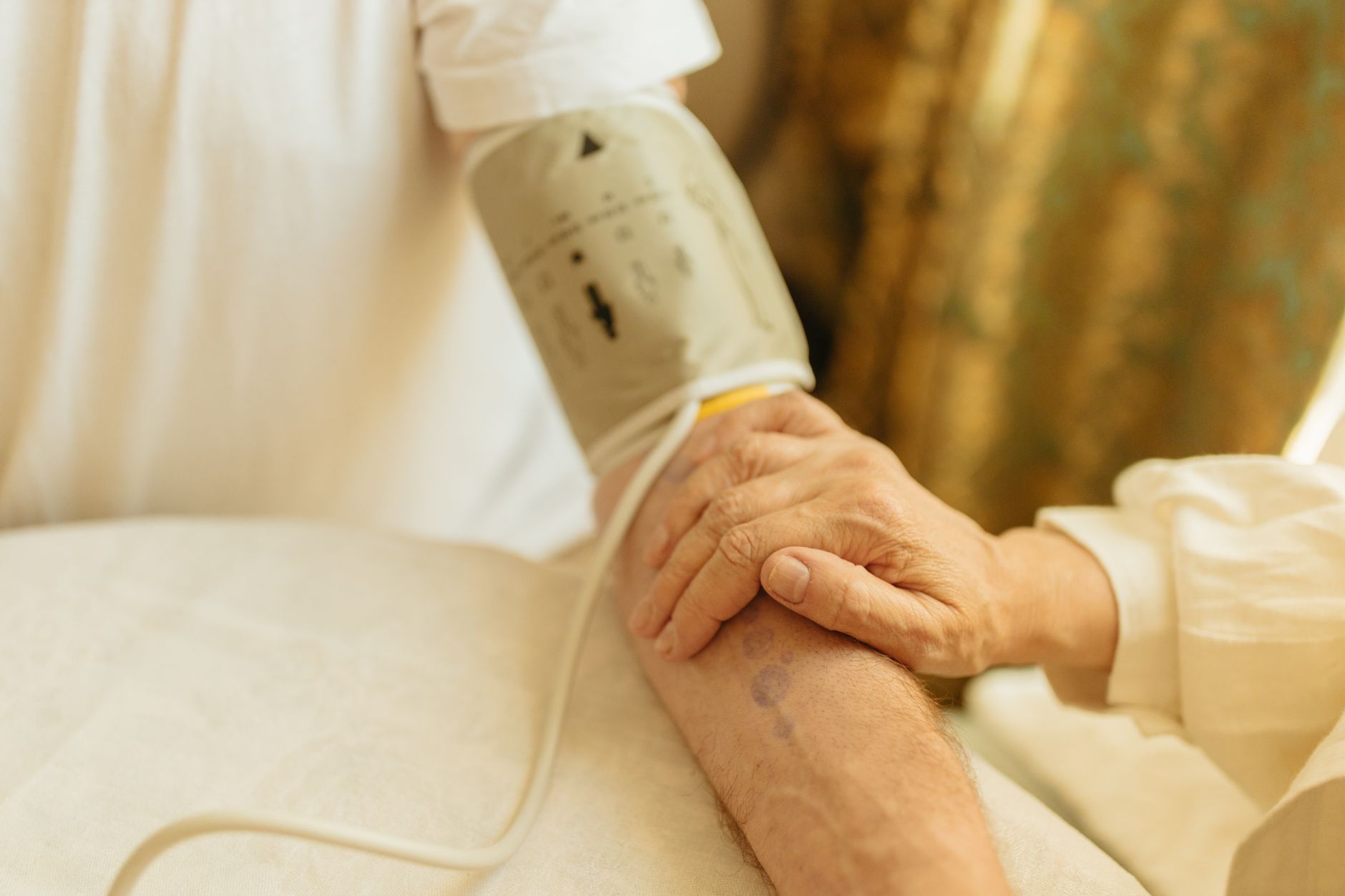
A good home blood pressure monitor can be just as accurate as the one at your doctor’s office, as long as it is a validated upper-arm cuff used with correct technique. Home, pharmacy and clinic readings often disagree, and understanding why helps you know which number to trust.
If your monitor at home shows one figure, the pharmacy machine shows another, and the nurse gets something different again, that is normal and it does not mean any of the devices are broken. Blood pressure changes minute to minute, and each setting measures you in slightly different conditions. This guide explains where the differences come from and how to build a reading you can rely on.
Why your readings differ from place to place
Blood pressure is not a fixed number. It rises and falls with your activity, stress, posture, temperature, a full bladder, caffeine and even the conversation you are having. The American Heart Association (AHA) notes that a single reading is only a snapshot, which is why doctors look at the pattern over time rather than one result.
The setting matters too. At home you are usually relaxed and seated after a few minutes of quiet. At a clinic you may be rushed, anxious or measured right after walking in. At a pharmacy the cuff might be the wrong size or shared by many people. Each of these can move the numbers by several mmHg, so comparing a hurried clinic reading with a calm home reading is rarely fair.
Are home blood pressure monitors accurate?
Yes, when you choose the right device and use it well. The AHA recommends an automated monitor that wraps around your upper arm, rather than a wrist or finger model, and one that has been independently validated for accuracy. Both the AHA and the U.S. Centers for Disease Control and Prevention (CDC) actively encourage self-measured blood pressure monitoring at home, because readings taken over days give a truer picture than a single office visit.
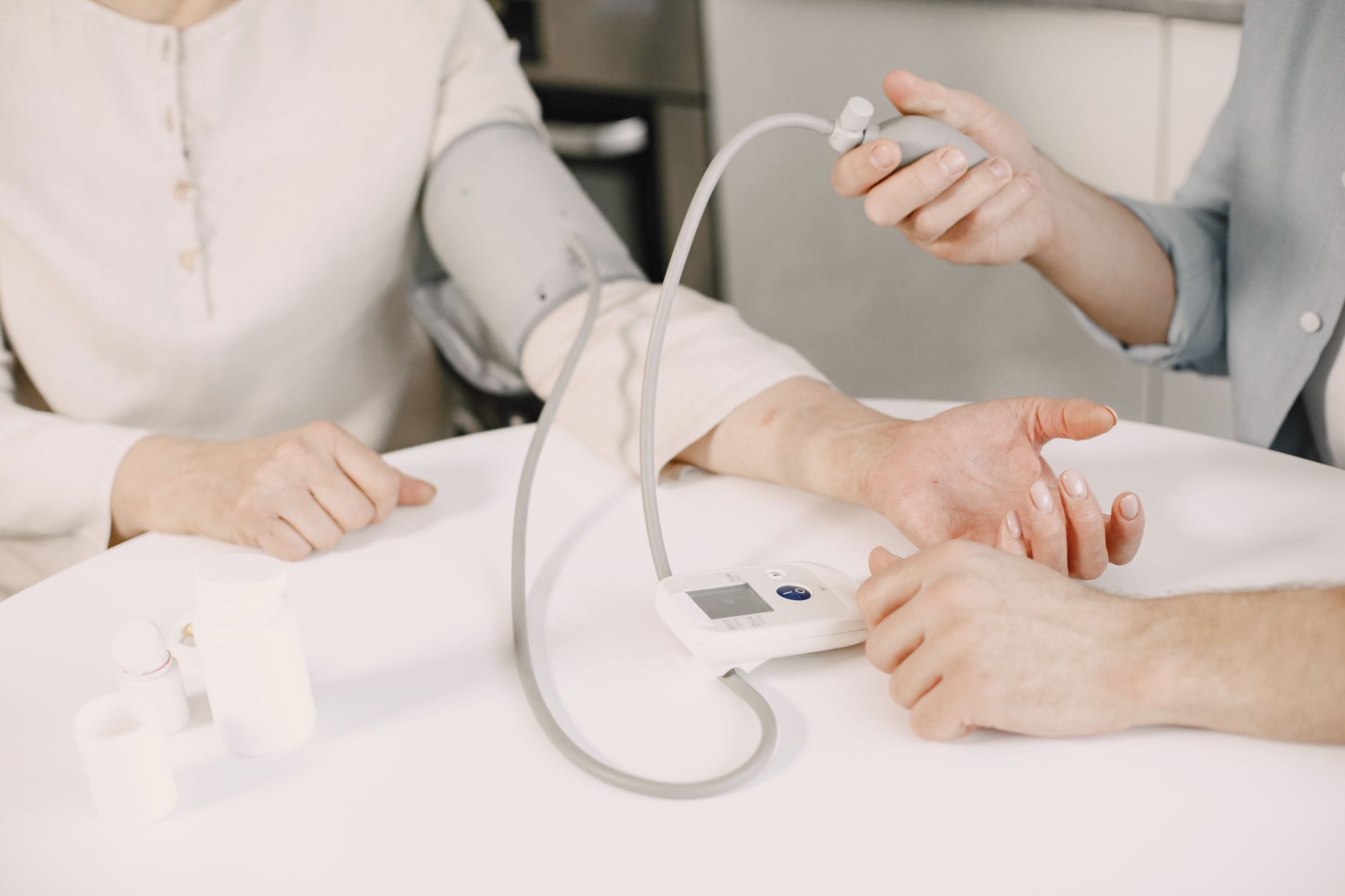
Technique is what makes or breaks home accuracy. Sit with your back supported and feet flat, rest your arm on a table at heart height, put the cuff on bare skin, and stay quiet for five minutes first. Take two readings a minute apart and note them both. Our guide on 7 mistakes that ruin your home blood pressure reading covers the small errors that skew results, and should you take your blood pressure twice and average it explains why a pair of readings beats one.
Pharmacy and public machines: convenient but check the fit
The automated machines in pharmacies and supermarkets are handy for an occasional check, but they come with caveats. The cuff is one fixed size, so if your arm is larger or smaller than average the reading can be off. The machine may not have been recently calibrated, and you are often measured in a busy space without the quiet minutes that steady your numbers.
Treat a pharmacy reading as a useful prompt rather than the final word. If it comes back high, that is a good reason to confirm the result with careful home readings or a visit to your doctor, not a diagnosis on its own.
Doctor’s office readings and the white-coat effect
Clinic readings have their own quirk. Many people record higher numbers at the doctor than they do anywhere else, an effect the AHA calls white-coat hypertension. The stress of the appointment temporarily raises blood pressure, so the office figure can overstate your usual level. Our guide to white-coat hypertension goes into detail.
The reverse also happens. Some people read normal at the clinic but high at home or work, which is known as masked hypertension. Because it hides during appointments, it can go unnoticed, and that is one of the strongest reasons doctors now ask patients to measure at home between visits.
Which reading should you trust?
For tracking your everyday blood pressure, a set of well-taken home readings is usually the most reliable guide, and major guidelines lean on them to confirm a diagnosis. One point to remember: home readings tend to run a little lower than clinic readings, so the thresholds are slightly different. The UK’s National Health Service (NHS) and the European Society of Hypertension treat an average home reading of 135/85 mmHg or higher as raised, compared with 140/90 mmHg in the clinic.
The best approach is not to pick one setting and ignore the rest. Bring your home readings to your appointments so your doctor can compare them with the office measurement and decide together what your true pattern is. Consistent home tracking, taken with good technique at the same times each day, turns scattered numbers into a trend you can both trust. For the full routine, see our complete guide to measuring blood pressure at home and the best time to take your blood pressure.
When to see a doctor
Careful tracking is the everyday goal, but some readings need prompt attention.
- Seek emergency care if a reading is 180/120 mmHg or higher, especially with chest pain, shortness of breath, weakness, trouble speaking, vision changes or a severe headache, as these can signal a hypertensive crisis.
- Contact your doctor soon if your home readings are consistently 135/85 mmHg or above, if they are climbing over time, or if you feel unwell.
- Ask for advice if your home, pharmacy and clinic numbers differ so widely that you cannot tell what is normal for you.
This guide is for general information and is not a substitute for personalised medical advice. Your doctor can help you interpret readings in the context of your full health.
Frequently asked questions
Why is my blood pressure higher at the doctor than at home? This is usually the white-coat effect. The stress of a medical appointment temporarily raises your blood pressure, so the clinic reading can be higher than your relaxed home number. Bringing a log of home readings helps your doctor see your everyday level.
Are home blood pressure monitors as accurate as the ones at the doctor? A validated upper-arm monitor used with correct technique can be very accurate and is recommended by the AHA and CDC for tracking at home. Accuracy depends on the right cuff size, good posture and sitting quietly before you measure.
Should I trust the pharmacy blood pressure machine? It is fine for an occasional check, but the one-size cuff and busy setting can skew results. Use it as a prompt to confirm anything unusual with careful home readings or your doctor, not as a final answer.
Track your readings in CardioVibe
The clearest picture comes from measuring at home, at the same times, and watching the trend. Track your blood pressure free in CardioVibe, log each reading in seconds, and bring a clean history to your next appointment.
Download CardioVibe
Take control of your blood pressure with small daily habits, and see exactly what's working as your readings improve.
Download CardioVibe
Keep every reading in one place, spot patterns early, and bring a clear history to your next GP appointment.