D — Habits & measurement
Cuff Size Matters: Getting an Accurate Home Reading

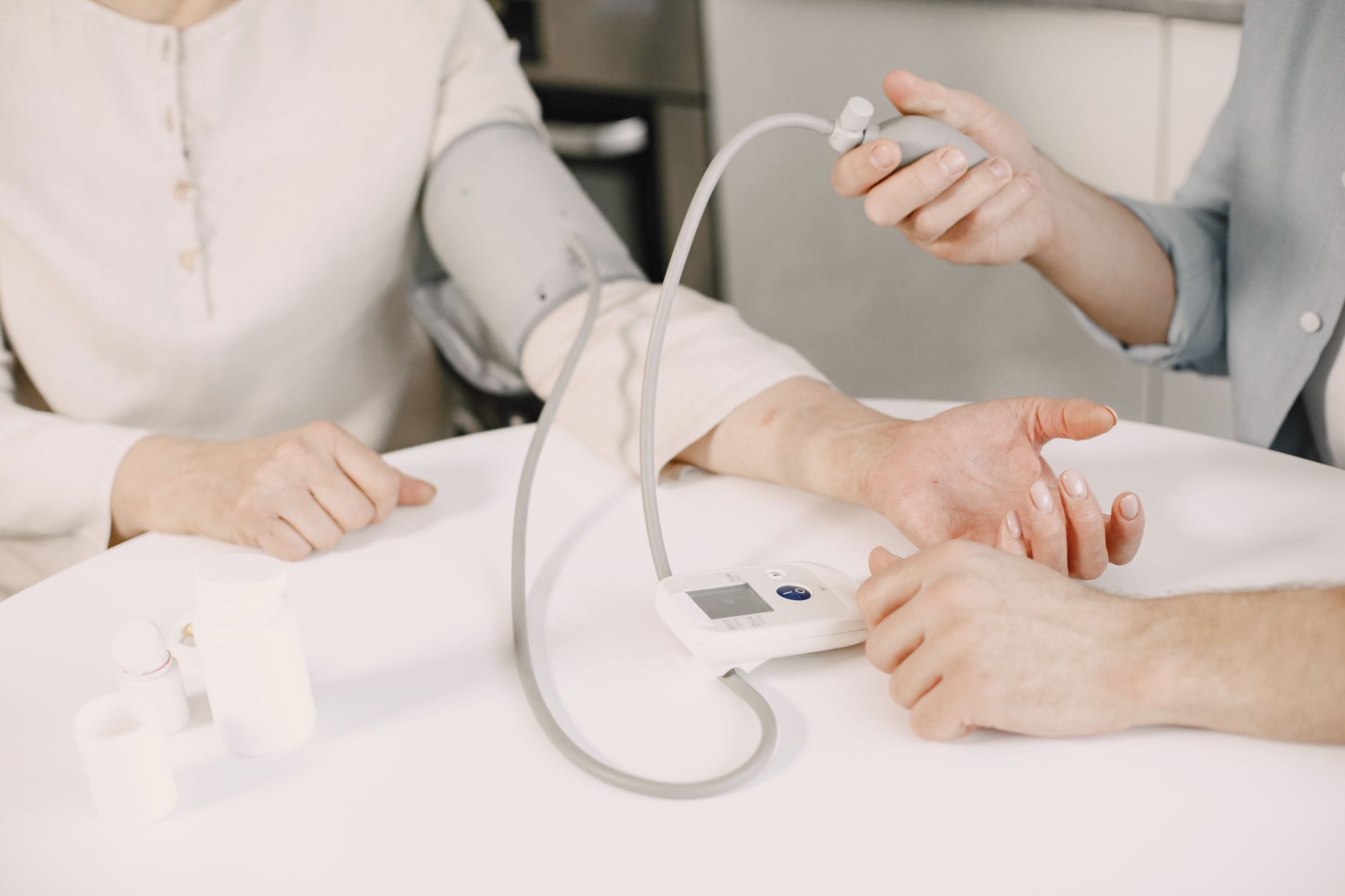
Your blood pressure cuff size can change your reading by more than you might expect. A cuff that is too small for your arm tends to read too high, and one that is too large tends to read too low. Picking the right size, then wrapping it correctly, is one of the simplest ways to make your home numbers trustworthy.
If you have ever wondered why your monitor at home disagrees with the one at your doctor’s office, the cuff is a good place to look first. It is an easy fix once you know what to check, and it costs you nothing but a tape measure and a minute of your time.
Why cuff size changes your reading
A blood pressure cuff works by inflating a bladder that presses evenly on the artery in your upper arm. If that bladder is too narrow for the limb it is wrapping, it has to squeeze harder to close the artery, which pushes the reading up. If it is too wide, it closes the artery too easily, which pulls the reading down.
The effect is not trivial. A 2023 study published in JAMA Internal Medicine, highlighted by the American Heart Association (AHA), found that using a regular size cuff on people who actually needed a larger one overestimated systolic blood pressure by an average of about 4.8 mmHg for those needing a large cuff, and by roughly 19.5 mmHg for those needing an extra large cuff. In the other direction, using a regular cuff on people who needed a small one underestimated their reading. A difference of that size can move you from one blood pressure category to another, so it is well worth getting right.
How to measure your arm for the right cuff
The correct cuff is chosen by your arm circumference, not your height or weight. Here is how to measure it:
- Bare your upper arm and let it hang relaxed at your side.
- Find the midpoint of your upper arm, halfway between the tip of your shoulder and your elbow.
- Wrap a flexible tape measure around the arm at that midpoint, snug but not squeezing.
- Note the measurement in centimetres.
It helps to have someone measure for you so the tape stays level. Take the reading twice to be sure.
Blood pressure cuff size chart
Most home monitors come with a standard adult cuff, which fits many but not all arms. The AHA and standard clinical guidance map arm circumference to cuff size roughly like this:
- Small adult: arm circumference 22 to 26 cm
- Adult (standard): 27 to 34 cm
- Large adult: 35 to 44 cm
- Extra large or adult thigh: 45 to 52 cm
If your arm falls near the edge between two sizes, or your reading seems off, it is worth trying the next size and comparing. Many monitor brands sell cuffs separately, so you are not locked into the one in the box. Some cuffs also print a range indicator, often labelled with an index line and an “OK” or “range” marking, that shows whether the cuff fits when wrapped. Check that the artery marker on the cuff lines up over your arm’s main artery as well.
Fitting the cuff correctly, whatever the size
Even the right size cuff gives a poor reading if it is worn badly. A few habits make a real difference:
- Wrap it on a bare arm. Rolling a sleeve up can bunch fabric under the cuff and act like a tourniquet.
- Position the bottom edge about 2 to 3 cm above the crease of your elbow.
- Keep it snug. You should be able to slip one or two fingertips under the top edge, no more.
- Support your arm at heart level, resting on a table, not held up in the air.
- Sit still and quiet with your back supported and feet flat on the floor.
The AHA advises resting quietly for about five minutes first, then taking two or three readings a minute apart and averaging them. For the full step by step, see our guide to measuring blood pressure at home, and the common slip ups in 7 mistakes that ruin your home blood pressure reading.
Signs your cuff might be the wrong size
You cannot always feel a bad fit, but a few clues point to it:
- Your home readings run consistently higher or lower than readings taken at your clinic with the same arm.
- The cuff will not wrap far enough to fasten securely, or it overlaps so much that the tube sits out of place.
- The cuff’s own range indicator lands outside the marked fit zone when wrapped.
- Readings swing widely between attempts even when you are rested and still.
If any of these sound familiar, measure your arm and compare it against the chart above before you worry about the numbers themselves. Which arm you use also matters, so it is worth reading which arm you should use to measure blood pressure alongside this.
When to see a doctor
A well fitted cuff makes your readings reliable, but the numbers still need context. Contact your doctor if your home averages sit at or above 130/80 mmHg, if they are climbing over time, or if you feel unwell. Take your monitor and cuff to an appointment now and then so a nurse can check your technique and compare your device against a validated clinic monitor.
Seek urgent care right away if you record a reading higher than 180/120 mmHg, especially alongside chest pain, shortness of breath, weakness or numbness, vision changes, difficulty speaking, or a severe headache. The AHA advises waiting five minutes and measuring again, and calling emergency services if a very high reading comes with any of those symptoms. This guide is general information and does not replace personalised medical advice.
Frequently asked questions
What size blood pressure cuff do I need? Measure the circumference of your upper arm at its midpoint. If it is 22 to 26 cm you need a small adult cuff, 27 to 34 cm a standard adult cuff, 35 to 44 cm a large adult cuff, and 45 to 52 cm an extra large cuff. Arm size, not body size, decides the fit.
Does a cuff that is too small read high or low? Too small reads high. A cuff that is too narrow for your arm has to press harder to close the artery, which overestimates your blood pressure. A cuff that is too large tends to underestimate it.
Can I use a wrist monitor instead to avoid cuff sizing? Wrist monitors avoid upper arm cuff sizing, but they are more sensitive to arm and wrist position, so many can read inaccurately if held wrong. The AHA generally recommends a validated upper arm monitor with a correctly sized cuff for home use.
How often should I check my cuff fit? Recheck if your weight changes noticeably, if you buy a new monitor, or if your home readings start disagreeing with clinic readings. Otherwise measuring once and confirming the fit is usually enough.
Medically reviewed by: _________________ (clinician name and credential to be added)
Last reviewed: August 2026
Sources: American Heart Association (Monitoring Your Blood Pressure at Home; recommended cuff sizing and measurement technique); JAMA Internal Medicine (Ishigami J. et al., “Effects of Cuff Size on the Accuracy of Blood Pressure Readings,” 2023); UK National Health Service (NHS, High blood pressure).
Track your blood pressure free in CardioVibe
Once your cuff fits, the next step is watching the pattern. Log your readings in seconds with CardioVibe, see your trends take shape over time, and bring clear, reliable numbers to your next appointment. It supports your care, it does not replace it.
Download CardioVibe
Take control of your blood pressure with small daily habits, and see exactly what's working as your readings improve.
Download CardioVibe
Keep every reading in one place, spot patterns early, and bring a clear history to your next GP appointment.