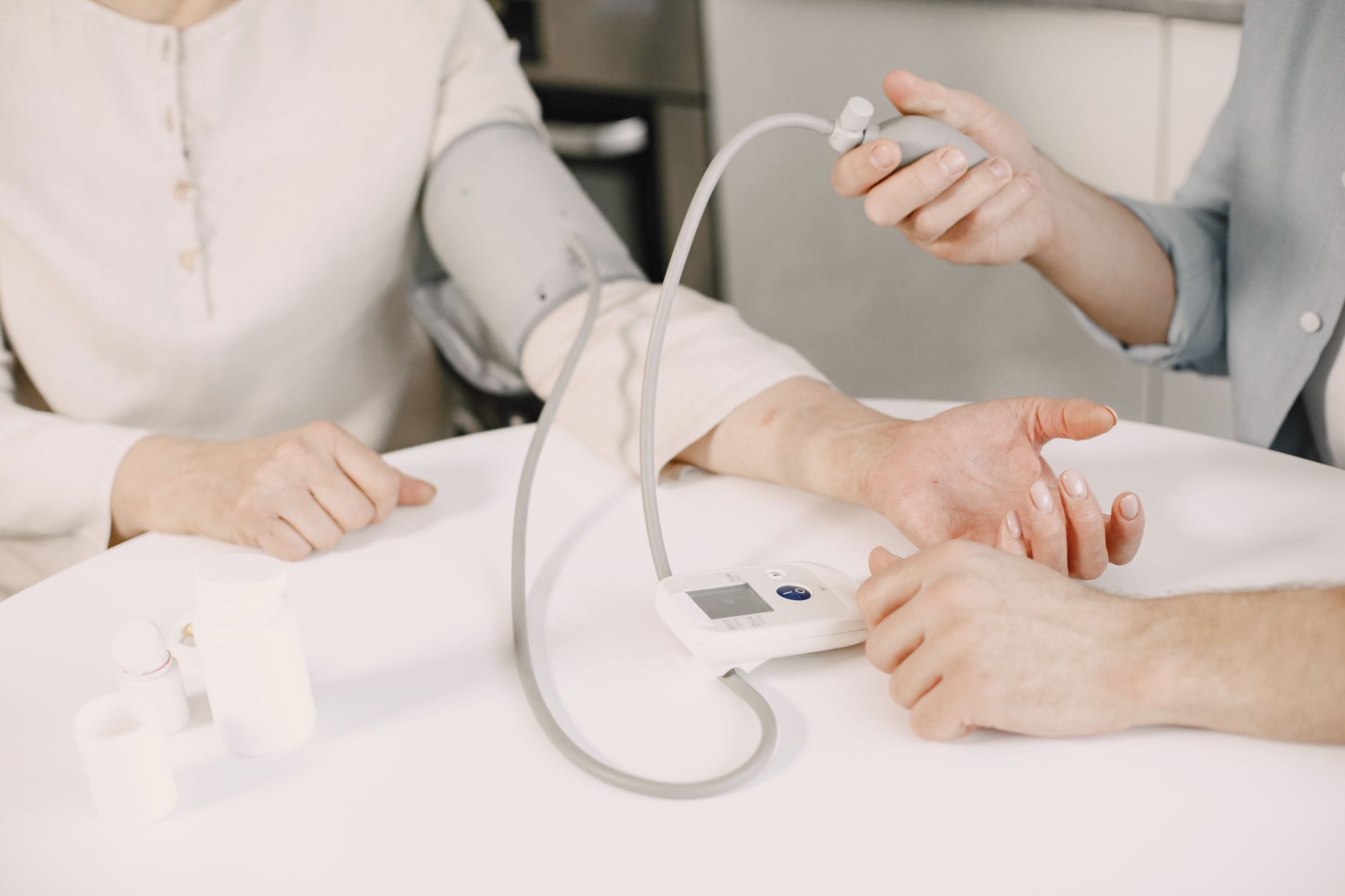
D — Habits & measurement
Does talking during a reading raise your blood pressure?

Yes. Talking during a blood pressure reading can push your numbers up by as much as 10 mmHg, according to the American Heart Association (AHA). The act of speaking briefly raises your heart rate and blood pressure, so staying quiet and still is one of the simplest ways to get an accurate result at home.
If your readings look higher than you expected, a quick chat mid-measurement could be the reason. Here is what happens when you talk, how much it can shift the number, and the small changes that make your home readings reliable.
Does talking during a reading raise your blood pressure?
It does, and the effect is bigger than most people assume. The AHA lists talking as one of the common measurement errors that skew home readings, noting that it can add around 10 mmHg to your result. Some research points to an even larger jump. Even active listening counts, so answering a question, nodding along, or replying to someone in the room can all nudge the number up.
The good news is that this rise is temporary and harmless in itself. It does not mean your blood pressure is truly that high. It simply means the reading was taken while your body was doing something other than resting, so it does not reflect your real resting number.
Why talking pushes the number up
Speaking is a small physical and mental task. It changes your breathing rhythm, slightly raises your heart rate, and engages your brain, and all of that briefly lifts your blood pressure.
This is why every reputable measurement guide, from the AHA to the NHS, asks you to sit quietly and stay silent while the cuff inflates. The goal of a home reading is to capture your blood pressure at rest, and talking pulls it away from that baseline. For a fuller list of things that throw readings off, see our guide to the 7 mistakes that ruin your home blood pressure reading.
How to keep talking from skewing your reading
A few simple habits keep conversation, and other small errors, from distorting your numbers:
- Stay silent during the measurement. Do not talk, and ask anyone nearby not to talk to you while the cuff is working.
- Rest first. Sit quietly for at least five minutes before you start, which also gives your body time to settle. Here is how long to sit before taking your blood pressure.
- Put the phone down. No calls, texting, or scrolling, since these count as activity too.
- Get your position right. Sit with your back supported, feet flat on the floor, legs uncrossed, and your arm resting at heart level.
- Measure at a consistent time. Taking readings at the same time each day makes them easier to compare. See our guide on the best time to take your blood pressure.
For the full step by step routine, our complete guide to measuring blood pressure at home walks through the monitor, technique, and timing together.
When to see a doctor
A single high reading because you were talking is not a cause for concern, so take a breath, wait a few minutes, and measure again in silence. What matters is the pattern over time when you measure correctly.
Contact your doctor if your properly taken home readings are consistently 130/80 mmHg or above, or if they are rising over time. Seek emergency care straight away if you get a reading higher than 180/120 mmHg along with symptoms such as chest pain, shortness of breath, a severe headache, vision changes, or weakness, as these can signal a medical emergency. This guide is for general information and does not replace advice from a healthcare professional.
Frequently asked questions
How much can talking raise your blood pressure? The American Heart Association notes that talking during a reading can add roughly 10 mmHg, and some studies suggest the effect can be larger. The rise is temporary and does not reflect your true resting blood pressure.
Does listening count, or only talking? Active listening counts too. Answering questions, nodding, or paying close attention to a conversation can all lift your reading, which is why the safest approach is a completely quiet few minutes.
Should I retake my reading if I talked during it? Yes. Sit quietly for a few minutes, then measure again without speaking. Use the silent reading as your record and ignore the one taken while you were talking.
Is it okay to talk between readings? It is better to stay quiet throughout. If you take two or three readings a minute apart, keep silent during the whole sequence so each one reflects your resting number.
Medically reviewed by: _________________ (clinician name and credential to be added)
Last reviewed: July 2026
Sources: American Heart Association (Monitoring Your Blood Pressure at Home; The rules for measuring blood pressure and why they exist); UK National Health Service (NHS, How to check your blood pressure).
Track your blood pressure in CardioVibe
Accurate readings are worth keeping. Log your blood pressure free in CardioVibe, watch your trends build over time, and bring a clear record to your next appointment.
Download CardioVibe
Take control of your blood pressure with small daily habits, and see exactly what's working as your readings improve.
Download CardioVibe
Keep every reading in one place, spot patterns early, and bring a clear history to your next GP appointment.