D - Habits & measurement
How long to sit before taking your blood pressure
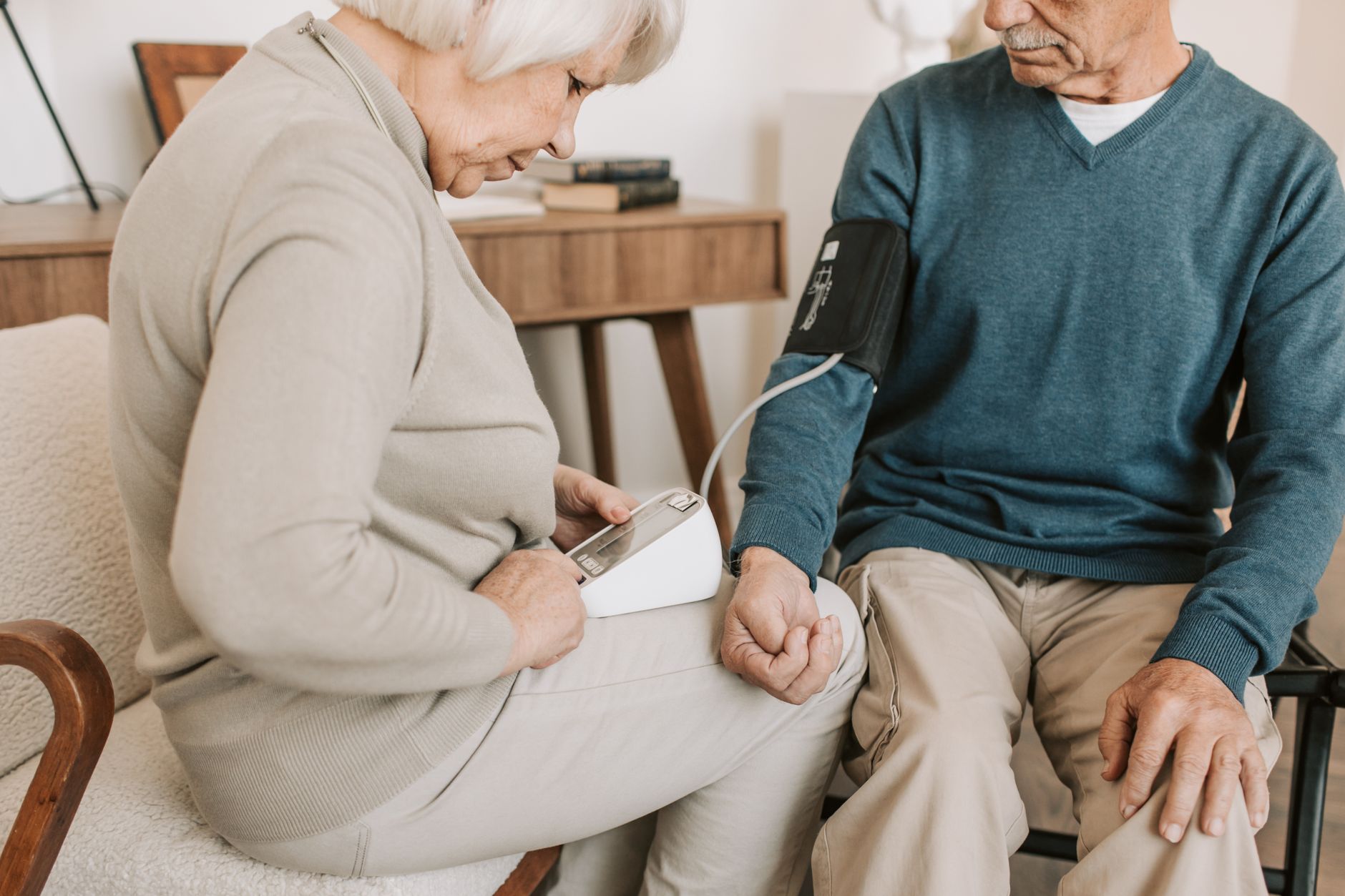
You should sit quietly for at least five minutes before taking your blood pressure. That short rest lets your heart rate and blood pressure settle from whatever you were just doing, so the reading reflects your true resting number rather than a temporary spike. Rushing straight to the cuff is one of the most common reasons home readings come out falsely high.
If you have ever taken a reading the moment you sat down and been alarmed by the result, the wait is likely the missing step. Here is exactly how long to rest before a blood pressure reading, why it matters, and how to make the whole routine reliable.
How long to rest before a blood pressure reading
The American Heart Association recommends resting quietly for at least five minutes before you measure. The NHS gives similar advice, suggesting you sit still and relaxed for a few minutes first. Five minutes is the number to remember.
During those five minutes, sit the way you will sit for the reading: back supported, feet flat on the floor, legs uncrossed, and the arm you will use resting on a table so the cuff sits at heart level. Staying in position while you wait means your body is already settled when the cuff inflates. Try not to talk, scroll your phone, or watch anything stressful, since all of these can nudge the number up.
Why the wait makes such a difference
Blood pressure responds quickly to what you are doing. Walking to the room, climbing stairs, carrying shopping, or even a tense phone call raises it for a short while. Without a rest, you capture that temporary rise instead of your baseline.
The effect is not small. Guidance from the AHA notes that simple measurement errors, including not resting beforehand, can each add several mmHg to a reading, and they stack up. A few of those together can push a normal reading into a range that looks concerning. A calm five-minute pause removes most of that noise and is the single easiest way to get a number you can trust. Our guide to measuring blood pressure at home walks through the full setup.
What else to do before you measure
Resting is the main step, but a few habits in the 30 minutes beforehand help just as much:
- Avoid caffeine, exercise, and smoking for at least 30 minutes, since each can raise blood pressure temporarily.
- Empty your bladder first, because a full bladder can raise a reading.
- Sit still, do not talk during the rest or the measurement.
- Measure at the same times each day so your readings are comparable, as covered in our guide to the best time to take your blood pressure.
Once you are rested and set up, take two or three readings a minute apart and average them. For why averaging helps, see should you take your blood pressure twice and average it.
When to see a doctor
Good technique gives you numbers worth acting on. Contact a healthcare professional if your rested home average stays at or above 130/80 mmHg, if it is trending upward over weeks, or if you feel unwell.
Seek urgent help right away if you record a reading higher than 180 systolic and, or, higher than 120 diastolic. The AHA advises waiting five minutes and measuring again, and if it stays that high, contacting your doctor without delay. If a very high reading comes with chest pain, shortness of breath, numbness or weakness, vision changes, or difficulty speaking, call emergency services immediately. This guide is for general information and is not a substitute for personalized medical advice.
Frequently asked questions
How long should you sit before taking your blood pressure? At least five minutes. The American Heart Association recommends resting quietly for five minutes, sitting with your back supported, feet flat, and your arm at heart level, so the reading reflects your resting number.
What happens if you do not rest before measuring? Your reading can come out falsely high. Recent activity, stress, or even walking into the room raises blood pressure briefly, so without a rest you capture that spike instead of your true baseline.
Should you rest before every reading? Yes. Rest before each session, and if you take two or three readings a minute apart, stay seated and relaxed between them rather than getting up.
Does a full bladder affect blood pressure readings? It can. A full bladder can raise a reading, so it is best to empty it before you measure, along with avoiding caffeine, exercise, and smoking for 30 minutes beforehand.
Medically reviewed by: _________________ (clinician name and credential to be added)
Last reviewed: July 2026
Sources: American Heart Association (Monitoring Your Blood Pressure at Home; Understanding Blood Pressure Readings); UK National Health Service (NHS, How to check your blood pressure).
Track your BP free in CardioVibe
A good routine is what turns scattered readings into a clear picture. Track your BP free in CardioVibe, log each rested reading in seconds, and watch your trend take shape over time. It supports your care rather than replacing it.
Download CardioVibe
Take control of your blood pressure with small daily habits, and see exactly what's working as your readings improve.
Download CardioVibe
Keep every reading in one place, spot patterns early, and bring a clear history to your next GP appointment.