D - Habits & measurement
Why does my blood pressure change throughout the day?

Your blood pressure changes throughout the day because it follows a natural 24-hour rhythm. It usually dips overnight, climbs in the hours around waking, and rises and falls with activity, meals, caffeine, stress, and temperature. These blood pressure fluctuations are normal. What matters is your average over time, not any single reading.
If you have started measuring at home and noticed the number is never quite the same twice, you are not doing anything wrong. A moving number is expected. This guide explains what drives the changes, what a healthy pattern looks like, and when a swing is worth mentioning to your doctor.
What causes blood pressure fluctuations
Blood pressure is the force of blood pushing against your artery walls, and that force is meant to change as your needs change. The American Heart Association (AHA) explains that blood pressure typically falls during sleep and starts climbing a few hours before you wake, reaching one of its higher points in the morning. This is sometimes called the morning surge, and it is driven by hormones like cortisol and adrenaline as your body gets ready to be active.
Across a normal day, plenty of everyday things nudge the number up or down:
- Physical activity. Moving, climbing stairs, or exercising raises blood pressure briefly, then it settles as you rest.
- Food, caffeine, and alcohol. Caffeine can cause a short-term rise in some people, and a salty meal or alcohol can shift readings too.
- Stress and strong emotion. A tense moment triggers hormones that temporarily raise blood pressure.
- Body position and a full bladder. Standing up, or needing the bathroom, can each change a reading.
- Temperature. Cold can raise blood pressure, and warmth can lower it.
- Talking or crossed legs during measurement. Both can push a reading higher than your true resting number.
Because so many factors are in play, two readings an hour apart can look quite different and both be perfectly healthy.
What a healthy daily pattern looks like
Whatever time you measure, the American Heart Association categories are the reference point for adults:
- Normal: less than 120/80 mmHg
- Elevated: 120 to 129 systolic and less than 80 diastolic
- Stage 1 hypertension: 130 to 139 systolic or 80 to 89 diastolic
- Stage 2 hypertension: 140 or higher systolic, or 90 or higher diastolic
A typical healthy rhythm dips at night, rises to a morning peak, plateaus during the day, and eases in the evening before dipping again. The overnight dip matters: research summarized by the AHA links a blunted nighttime dip, and a sharp morning surge, to higher cardiovascular risk in some people. That is why clinicians sometimes look at the shape of your day, not just one number.
The key idea is that healthy blood pressure is a range you move within, not a single fixed point. A reading of 118/76 in the morning and 128/82 after a stressful commute can both belong to the same healthy person on the same day.
When do blood pressure fluctuations become a concern?
Normal variation is gentle and follows the daily rhythm. A few patterns are worth closer attention:
- Your average stays at or above 130/80 mmHg over many readings, which may point to hypertension.
- Readings swing widely and often, which some studies link to higher long-term risk and which is worth raising with a clinician.
- A change comes with symptoms like dizziness, fainting, chest discomfort, or a pounding heartbeat.
The most reliable way to tell ordinary variation from a real trend is to measure consistently and look at the average, rather than reacting to one high or low number. For a simple approach, see our guide to the best time to take your blood pressure and how morning and evening readings differ. Good technique also cuts down on false swings, which our guide to measuring blood pressure at home covers step by step.
How to get readings you can trust
Because so much moves the number, a steady routine gives you a truer picture:
- Measure at the same times each day, often morning and evening.
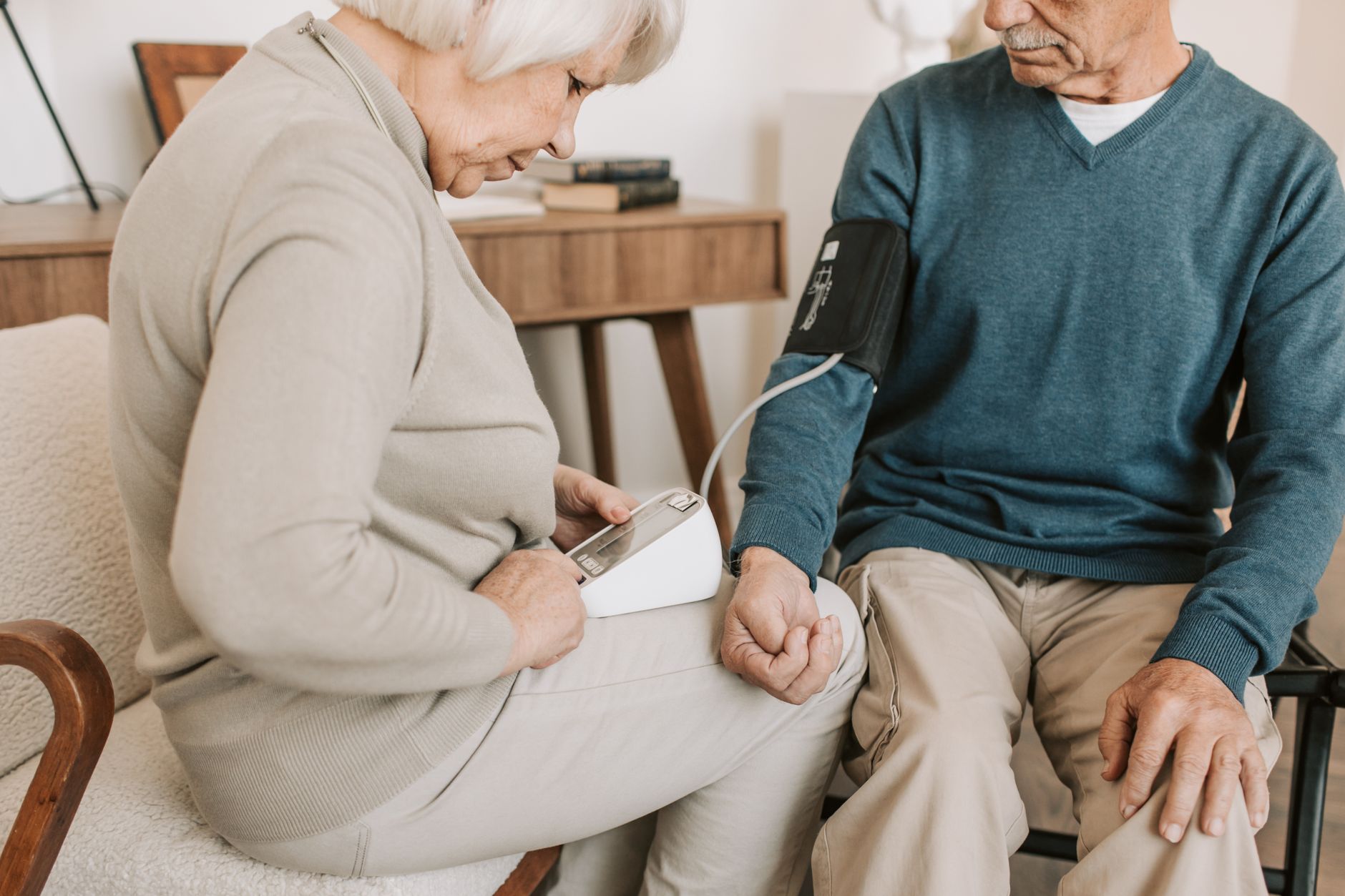
- Rest quietly for five minutes first, sit with your back supported and feet flat, and keep the cuff at heart level.
- Avoid caffeine, exercise, and smoking for 30 minutes beforehand, and empty your bladder.
- Take two or three readings a minute apart and average them.
- Write them down so you can see the trend rather than a single snapshot.
The AHA and the NHS both recommend this kind of consistent home measurement, and it turns a jumpy set of numbers into a pattern you and your doctor can actually use.
When to see a doctor
Everyday blood pressure fluctuations are not an emergency. Still, contact a healthcare professional if your home average stays at or above 130/80 mmHg, if your readings are trending upward over weeks, or if you often feel unwell.
Seek urgent help right away if you record a reading higher than 180 systolic and, or, higher than 120 diastolic. The AHA advises waiting five minutes and measuring again, and if it stays that high, contacting your doctor without delay. If a very high reading comes with chest pain, shortness of breath, numbness or weakness, vision changes, or difficulty speaking, call emergency services immediately. When in doubt about any reading or symptom, it is always safest to speak with a healthcare professional. This guide is for general information and is not a substitute for personalized medical advice.
Frequently asked questions
Is it normal for blood pressure to change throughout the day? Yes. Blood pressure follows a daily rhythm and responds to activity, meals, caffeine, stress, and temperature. A moving number is expected. Doctors look at your average over time rather than any single reading.
How much can blood pressure fluctuate in a day? It varies from person to person, and swings of 10 to 20 mmHg across the day are common with activity, stress, and the natural morning rise. Very large or frequent swings, especially with symptoms, are worth discussing with a clinician.
What time of day is blood pressure highest? For many people it peaks in the morning because of the natural surge around waking, then eases through the day and dips overnight. The exact shape differs between individuals.
Should I worry about one high reading? A single high reading is rarely a problem on its own, since many everyday things raise blood pressure briefly. Recheck with good technique, and focus on the average. A reading above 180/120 mmHg, or any reading with worrying symptoms, does need prompt attention.
Medically reviewed by: _________________ (clinician name and credential to be added)
Last reviewed: July 2026
Sources: American Heart Association (Understanding Blood Pressure Readings; Blood Pressure and the Circadian Rhythm; Monitoring Your Blood Pressure at Home); UK National Health Service (NHS, High blood pressure and home monitoring).
Log this reading in CardioVibe
A single number rarely tells the whole story, so the real value comes from watching the pattern. Log this reading in CardioVibe to see your daily rhythm take shape and bring clear trends to your next appointment. It supports your care rather than replacing it.
Download CardioVibe
Take control of your blood pressure with small daily habits, and see exactly what's working as your readings improve.
Download CardioVibe
Keep every reading in one place, spot patterns early, and bring a clear history to your next GP appointment.