D - Habits & measurement
The 30-day blood pressure check-in challenge

The 30-day blood pressure challenge is simple: check your blood pressure at the same times each day for a month, log every reading, and watch the trend take shape. The goal is not a perfect number by day 30, but a steady habit and a clear picture of where your pressure really sits, which is far more useful than any single reading.
If you have ever taken one reading, felt alarmed or reassured, and then forgotten about it, this challenge is for you. Blood pressure moves through the day and from one moment to the next, so a month of consistent check-ins tells you something a one-off number never can. Think of it as a companion to your medical care, not a replacement for it.
Why 30 days?
A single blood pressure reading is a snapshot. It can be pushed up by a rushed morning, a cup of coffee, a full bladder, or the stress of the measurement itself. The American Heart Association recommends home monitoring precisely because readings taken calmly over time give a truer average than an occasional check at the clinic.
Thirty days is long enough to smooth out the day-to-day noise and reveal your real pattern, and short enough to stay motivated. It is also enough time for a new routine to start feeling automatic. You are building two things at once: a reliable set of numbers, and a habit you can keep long after the month ends.
How the 30-day blood pressure challenge works
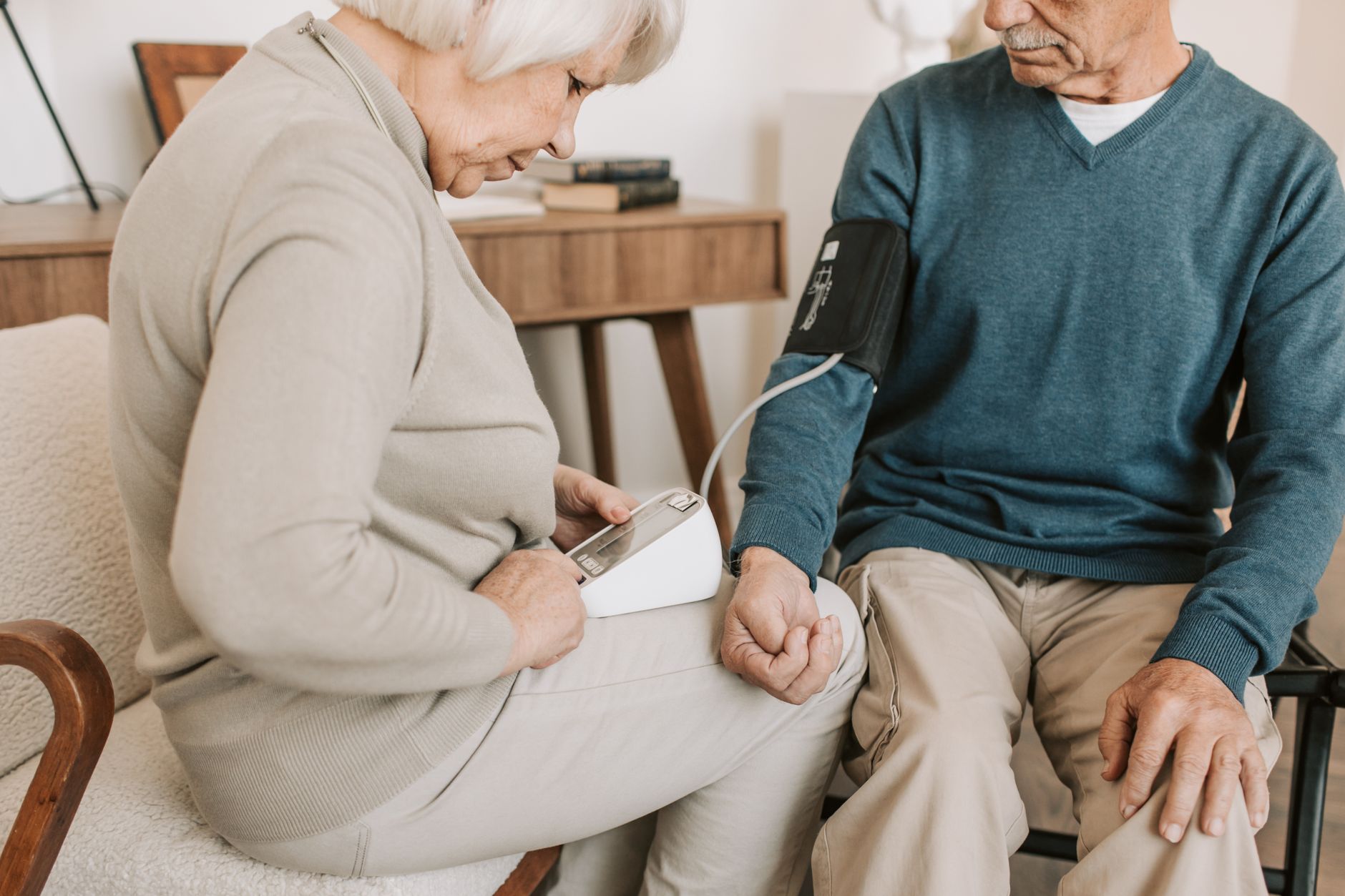
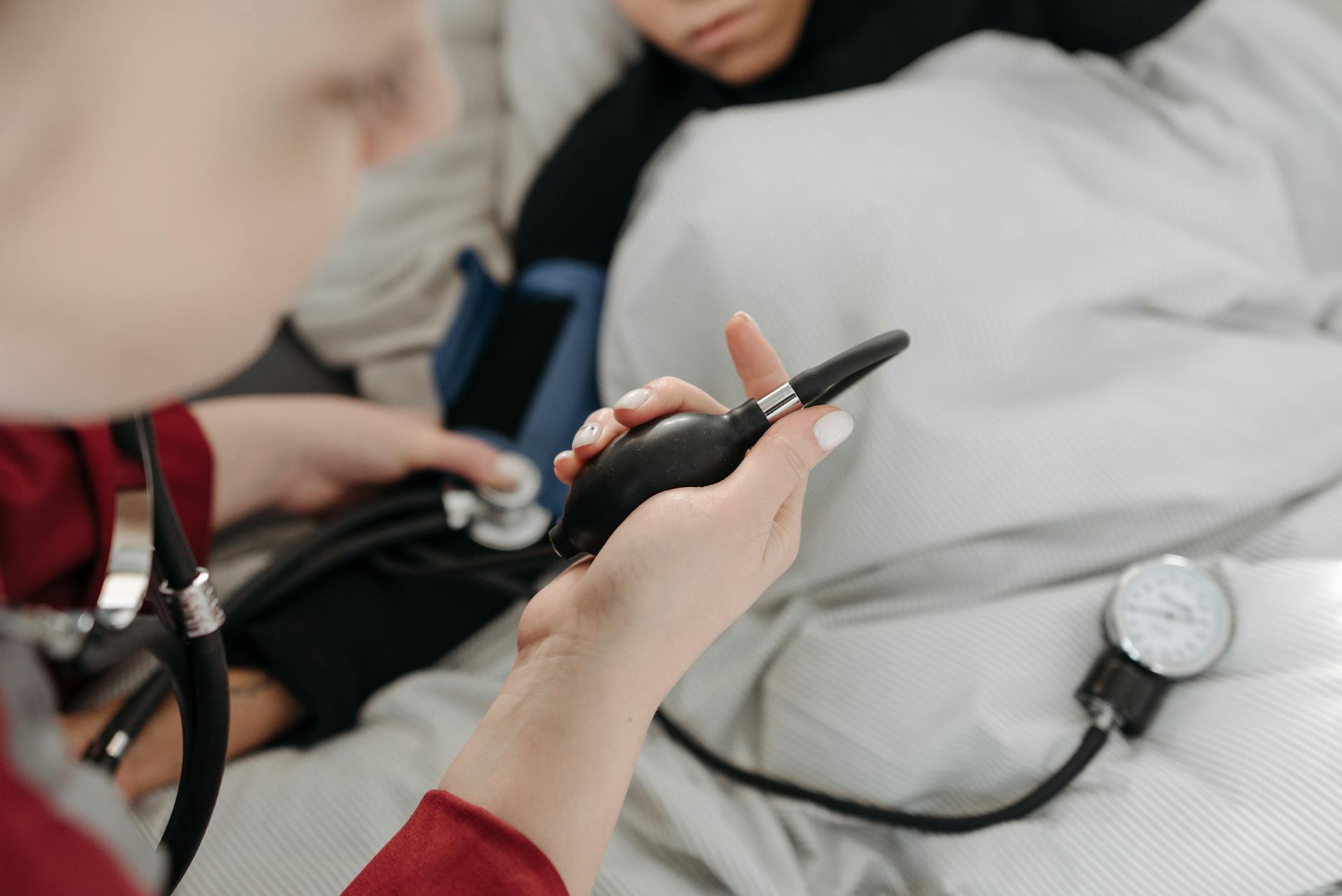
The rules are deliberately light. Each day, take your blood pressure at roughly the same times, in the same calm conditions, and write the numbers down. The AHA suggests measuring twice a day, once in the morning before food, caffeine, or medication, and once in the evening, taking two readings a minute apart each time and recording both.
You do not need to change anything else in week one. The first job is simply to see your honest baseline. From there, you can layer in one small, proven habit at a time.
Week 1: find your baseline
Measure morning and evening every day and log the results without judgement. Do not react to any single high or low number. By the end of the week you will have a dozen or more readings, which is the start of a real average. If you are new to home measurement, our guide to measuring blood pressure at home covers the setup and technique.
Week 2: anchor the habit
Tie each check to something you already do, such as measuring right after you brush your teeth. Anchoring a new habit to an existing one is one of the most reliable ways to make it stick. Keep logging morning and evening, and notice how the routine starts to feel easier. Our guide on building a blood pressure tracking habit that actually sticks goes deeper on this.
Week 3: add one healthy change
Now bring in a single habit that supports healthy blood pressure. Mayo Clinic highlights a consistent set of changes, several of which can lower readings by a meaningful amount: easing back on salt, which may lower blood pressure by around 5 to 6 mmHg, moving most days, which can help by about 5 to 8 mmHg, and following a DASH-style diet rich in vegetables, fruit, and whole grains. Pick one and keep it going. For more, see how to lower your blood pressure.
Week 4: read your trend
Keep measuring and logging, and start looking at the shape of the month rather than the daily ups and downs. Is your average drifting down, holding steady, or creeping up? This is the payoff of the challenge: a clear, personal trend you can act on and share with your doctor.
What the trend can tell you
By day 30 you will have around 60 readings. That is enough to see your typical morning and evening pressure, how much it swings, and whether the small change you added in week three seems to be helping. The American Heart Association and NHS both stress that a pattern of readings, not one measurement, is what defines your blood pressure.
If your average lands in the normal range and you feel well, the challenge has given you a healthy baseline to maintain. If it sits in the elevated or high range, you now have solid, dated numbers to bring to a clinician, which makes any conversation about next steps far more productive. Either way, you finish the month with a habit worth keeping.
When to see a doctor
This challenge is about awareness and routine, not self-diagnosis or treatment. Some situations need prompt attention regardless of the plan.
Contact your doctor soon if your home readings are consistently 130/80 mmHg or above, if your numbers keep rising over the month, or if you feel unwell. Seek urgent care right away if you record a reading higher than 180/120 mmHg, and call emergency services if a very high reading comes with chest pain, shortness of breath, weakness or numbness, vision changes, or difficulty speaking. If you are already being treated for high blood pressure, do not change any medication based on your readings without speaking to your doctor first. When in doubt about any reading or symptom, reach out to a healthcare professional.
Frequently asked questions
How often should I check my blood pressure during the challenge?
The AHA suggests twice a day, morning and evening, with two readings a minute apart each time. If that feels like a lot, once a day at a consistent time is still valuable. Our guide on how often you should check your blood pressure has more.
Will 30 days of tracking lower my blood pressure?
Tracking itself does not lower blood pressure, but it makes you aware of your numbers and shows whether healthy changes are working. The habits you add during the month, such as less salt and more movement, are what move the number.
What is the best time of day to measure?
Consistency matters most. The AHA recommends measuring at the same times daily, ideally morning before food or caffeine and again in the evening. See the best time to take your blood pressure for the full picture.
Do I need a special monitor?
A validated upper-arm cuff is the most reliable choice for home use, and the one the AHA and NHS recommend. Rest quietly for five minutes first, sit with your back supported and feet flat, and keep the cuff at heart level for an accurate reading.
Start this habit in CardioVibe
The hardest part of any check-in challenge is remembering to do it and keeping the numbers in one place. That is exactly what CardioVibe is built for. Log your readings in seconds, watch your 30-day trend take shape, and turn a one-month challenge into a habit that sticks. It supports your care, and never replaces it.
Download CardioVibe
Take control of your blood pressure with small daily habits, and see exactly what's working as your readings improve.
Download CardioVibe
Keep every reading in one place, spot patterns early, and bring a clear history to your next GP appointment.