
D — Habits & measurement
Building a blood pressure tracking habit that actually sticks
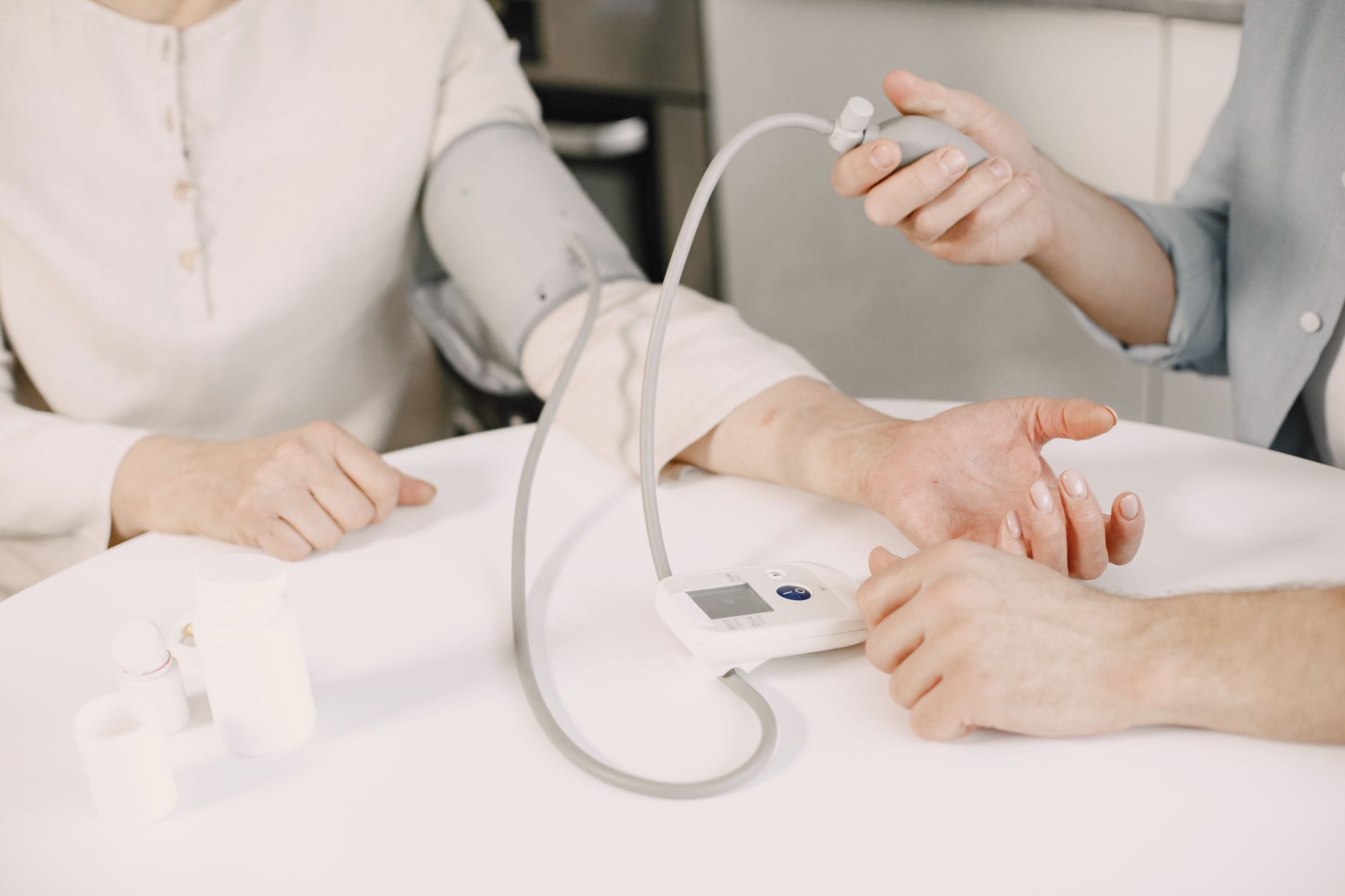
A blood pressure tracking habit sticks when you make it small, consistent, and tied to something you already do. Pick one or two fixed times a day, take your readings while seated and rested, write down the numbers, and watch the trend over weeks rather than reacting to any single result. The routine matters more than perfection, and the trend is what tells you whether your habits are working.
Most people start tracking their blood pressure with real motivation, then quietly stop after a fortnight. The problem is almost never willpower. It is that the habit was never built to survive a busy Tuesday. This guide shows how to design a blood pressure tracking habit that lasts, using the same principles the American Heart Association and NHS recommend for home monitoring.
Why a tracking habit beats the occasional check
A single reading tells you very little. Blood pressure rises and falls through the day with activity, stress, caffeine, and sleep, so one number caught in isolation can mislead you in either direction. The American Heart Association recommends home monitoring precisely because a pattern of readings over time gives a far more reliable picture than an occasional check at the pharmacy or clinic.
The NHS makes the same point: readings taken consistently, while seated and rested, and recorded so you can see the trend, help you and your clinician judge whether your numbers are stable, improving, or drifting up. That trend is the payoff of a tracking habit. It turns an abstract worry into visible progress, and it gives your doctor real data to work with rather than a one-off snapshot. For the bigger picture of how readings map to categories, see our guide to understanding your blood pressure readings.
When to measure so the habit fits your life
The best time to measure is the time you will actually keep. That said, a little structure helps the numbers stay comparable. The AHA suggests measuring at the same times each day, avoiding caffeine, exercise, and smoking for at least 30 minutes beforehand, and resting quietly for five minutes first.
Many people settle on twice a day, once in the morning before breakfast and medication, and once in the evening. Others, especially those with stable numbers, check less often. What counts is consistency: the same times, the same conditions, so the readings mean something when you compare them. For a fuller look at timing, see the best time to take your blood pressure, and if you are unsure how frequently to check, our guide on how often to check your blood pressure breaks it down by situation.
How to anchor the habit so it sticks
The single most effective trick for building any habit is to attach it to something you already do without thinking. Behavioural research on habit formation, including work published in the European Journal of Social Psychology, finds that habits form through repetition in a stable context, and that anchoring a new behaviour to an existing cue makes it far more likely to last.
In practice, that means pairing your reading with a fixed daily moment. Take it right after you wake and before your first coffee, or just before you brush your teeth at night. The existing action becomes the reminder, so you stop relying on memory or motivation. A few more principles help the habit survive:
- Keep the monitor somewhere visible, next to the kettle or on the bathroom shelf, so it prompts you rather than hiding in a drawer.
- Track one thing at a time. Trying to overhaul your whole routine at once is how good intentions collapse.
- Record every reading, even the ones you do not like, since the trend only works if it is complete.
- Expect a gradual line, not an overnight change. Lifestyle and treatment effects show up over weeks.
For a ready-made structure, our guide to a simple daily routine for checking your blood pressure lays out an easy pattern you can copy.
Making your readings accurate and worth tracking
A tracking habit is only as useful as the readings behind it. Poor technique produces numbers that swing for no real reason, which is discouraging and can send you chasing readings that were never accurate. The AHA and NHS agree on the basics: sit with your back supported and feet flat on the floor, rest your arm on a table so the cuff is at heart level, use the correct cuff size, and stay quiet during the measurement.
Take two or three readings a minute apart and note them, or average them, since the first is often slightly higher. Our full guide to measuring blood pressure at home walks through the technique step by step. Good technique means the trend you are building reflects your real blood pressure, not the noise of a rushed or awkward measurement.
When to see a doctor
A tracking habit supports your care, it does not replace it. Share your readings with your doctor at check-ups, and reach out sooner if your home average stays at or above 130/80 mmHg, if it is climbing over weeks, or if you feel unwell. The NHS advises contacting your clinician if home readings are consistently raised rather than trying to manage a rising trend alone.
Seek urgent care immediately if you ever record a reading higher than 180 systolic and, or, higher than 120 diastolic, especially alongside chest pain, shortness of breath, severe headache, vision changes, numbness, or difficulty speaking, as this can signal a hypertensive crisis. When in doubt about any reading or symptom, speak with a healthcare professional. This guide is general information and does not replace personalised medical advice.
The short version
- A blood pressure tracking habit sticks when it is small, consistent, and anchored to an existing daily cue.
- Measure at the same times under the same conditions, using good technique, so your readings are comparable.
- Record every reading and read them as a trend over weeks, not as isolated numbers.
- Keep your doctor in the loop, and seek urgent care for crisis-level readings.
Frequently asked questions
How do I build a habit of checking my blood pressure?
Attach the reading to something you already do daily, such as making your morning coffee or brushing your teeth at night, and keep the monitor visible as a prompt. Repeating it at the same time in the same context is what turns it into an automatic habit.
How often should I record my blood pressure to see a trend?
For most people building the habit, once or twice a day for a couple of weeks gives a clear trend, then you can ease to a routine your doctor recommends. The AHA values a consistent pattern of readings over any single measurement.
What is the best time of day to track blood pressure?
Measuring at the same times each day, commonly morning before breakfast and evening, keeps your readings comparable. Avoid caffeine, exercise, and smoking for at least 30 minutes beforehand, and rest quietly for five minutes first, as the AHA advises.
Does tracking my blood pressure actually help lower it?
Tracking itself does not lower blood pressure, but it makes the habits that do far easier to keep, because you can see whether diet, activity, and medication are moving the numbers. The trend keeps you motivated and gives your doctor real data.
Start this habit in CardioVibe
The hardest part of tracking is remembering to do it and keeping the numbers in one place. Start this habit in CardioVibe: log a reading in seconds, watch your trend take shape, and bring a clear record to your next appointment. It supports your care rather than replacing it.
Download CardioVibe
Take control of your blood pressure with small daily habits, and see exactly what's working as your readings improve.
Download CardioVibe
Keep every reading in one place, spot patterns early, and bring a clear history to your next GP appointment.