C - Readings (programmatic)
What does a blood pressure of 129/89 mean?

A blood pressure of 129/89 mmHg is stage 1 hypertension under current American Heart Association guidance, and both numbers sit at the very top of their bands. One more point on either would tip it into stage 2 territory. A single reading is not a diagnosis, but 129/89 is worth taking seriously and rechecking properly.
What a 129/89 blood pressure reading means
Every reading has two numbers, measured in mmHg. The top number is systolic pressure, the force in your arteries each time your heart beats. The bottom number is diastolic pressure, the force between beats. So 129/89 means a systolic of 129 and a diastolic of 89.
The American Heart Association and the American College of Cardiology define adult categories like this:
- Normal: less than 120 systolic and less than 80 diastolic.
- Elevated: 120 to 129 systolic and less than 80 diastolic.
- Hypertension stage 1: 130 to 139 systolic, or 80 to 89 diastolic.
- Hypertension stage 2: 140 or higher systolic, or 90 or higher diastolic.
A systolic of 129 falls in the elevated range, but the elevated category also requires a diastolic below 80. Yours is 89, which sits at the very top of the stage 1 band. When the two numbers land in different categories, the AHA is clear that the higher one counts, so 129/89 is classed as stage 1 hypertension. Our guide to understanding your blood pressure readings explains how the categories fit together.
Is 129 over 89 high blood pressure?
Under the 2017 AHA and ACC thresholds, yes. It is stage 1 hypertension, one point below stage 2 on the diastolic side.
The NHS uses different numbers, treating high blood pressure as a clinic reading of 140/90 mmHg or higher, or a home average of 135/85 mmHg or higher. A systolic of 129 is under 135, but a diastolic of 89 is well above 85, so a home average of 129/89 would prompt a conversation in the UK too.
What stands out is how close 129/89 sits to the next band, which makes accurate measurement worth the effort. For nearby comparisons, see what 128/82 means or what 130/90 means.
What to do about a 129/89 reading
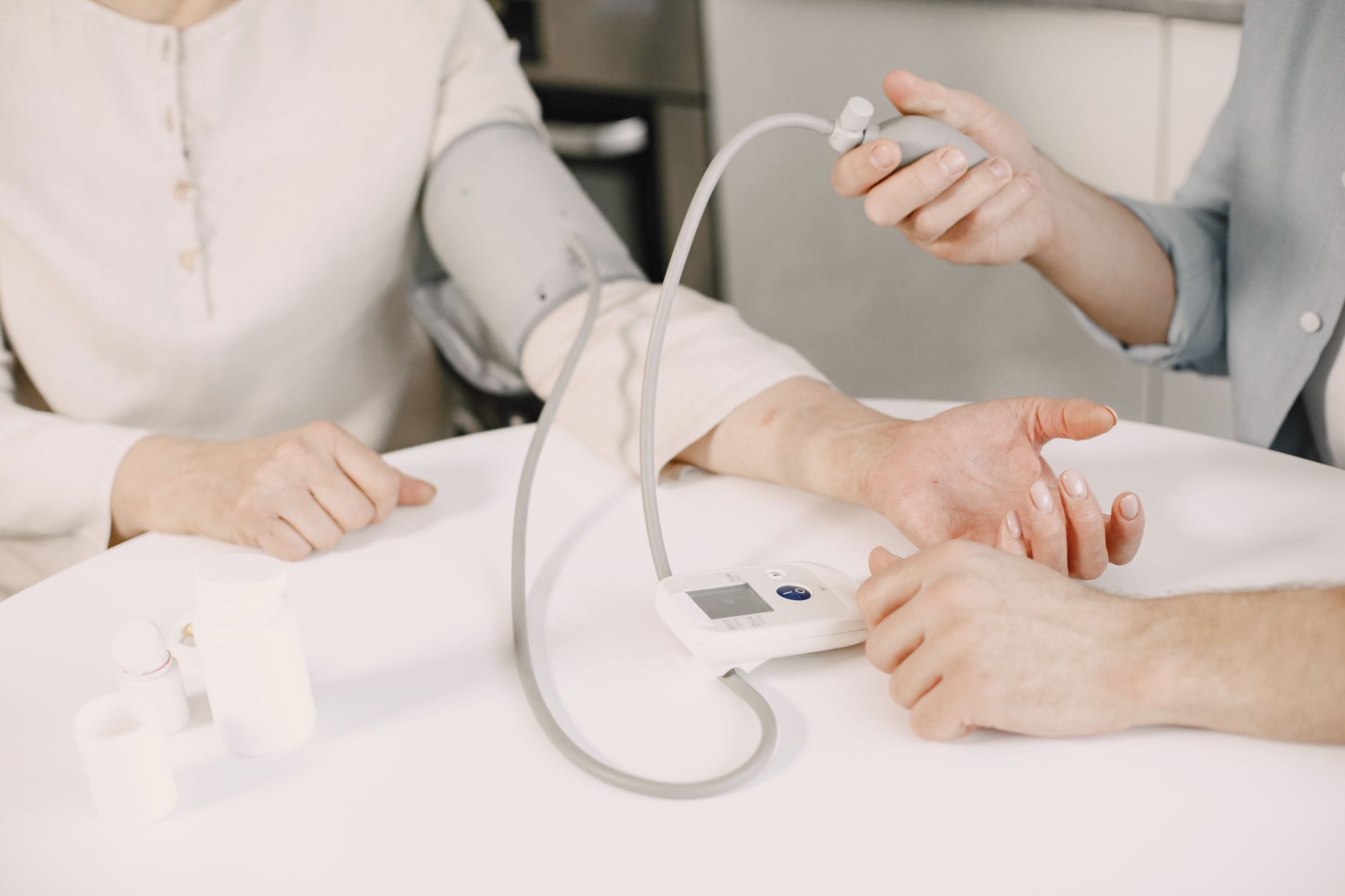
Check the number is real first. Blood pressure rises and falls all day, and poor technique can easily add several mmHg. Rest quietly for five minutes, sit with your back supported and both feet flat, keep the cuff level with your heart, then take two or three readings a minute apart and average them. Avoid measuring soon after coffee, exercise or a stressful moment, and do not talk during the measurement. Our guide to measuring blood pressure at home covers cuff fit and the rest of the technique.
If 129/89 is your genuine average, that is a signal to act rather than to panic. The habits that bring blood pressure down are well established by the AHA, the NHS and Mayo Clinic: more vegetables and whole grains, less salt, moving most days, a healthy weight, less alcohol and better sleep. Start with how to lower your blood pressure naturally, and read how to lower diastolic blood pressure, since the bottom number is closest to the line here.
When to see a doctor
A single 129/89 reading is not an emergency. Book an appointment if your average stays at or above this level over a few weeks, if it is climbing, or if you have diabetes, kidney disease or a family history of heart problems. Because 129/89 sits so close to stage 2, mention it sooner rather than at your next routine check.
Seek help right away if you ever record a reading higher than 180 systolic or higher than 120 diastolic. The AHA advises waiting five minutes and measuring again, then contacting your doctor without delay if it stays that high. Call emergency services immediately if a very high reading comes with chest pain, shortness of breath, numbness or weakness, vision changes or difficulty speaking. This guide is general information and does not replace personalised medical advice.
Log this reading in CardioVibe
With a number this close to the next band, the average matters far more than any single measurement. You can log this reading free in CardioVibe, watch the trend take shape, and bring the record to your next appointment. It supports your care rather than replacing it.
Frequently asked questions
Is 129/89 normal blood pressure?
No. Normal under AHA and ACC guidance means below 120 systolic and below 80 diastolic. A diastolic of 89 places 129/89 in stage 1 hypertension.
Is 129 over 89 dangerous?
Not as a one off, and not in itself. Stage 1 hypertension is a category rather than an emergency, and it usually calls for lifestyle changes and monitoring. What makes 129/89 notable is how close it sits to stage 2.
What is the difference between 129/89 and 130/90?
One point on each number, but two different categories. 130/90 crosses into stage 2 on the diastolic, which generally means a firmer push toward medication alongside lifestyle changes. This is why careful, repeated measurement matters at these borderline numbers.
What should I do if my blood pressure is 129/89?
Recheck it properly and keep a record for two weeks. If that is your typical average, focus on the habits above and raise it with a clinician.
Download CardioVibe
Take control of your blood pressure with small daily habits, and see exactly what's working as your readings improve.
Download CardioVibe
Keep every reading in one place, spot patterns early, and bring a clear history to your next GP appointment.