C - Readings (programmatic)
What does a blood pressure of 139/89 mean?
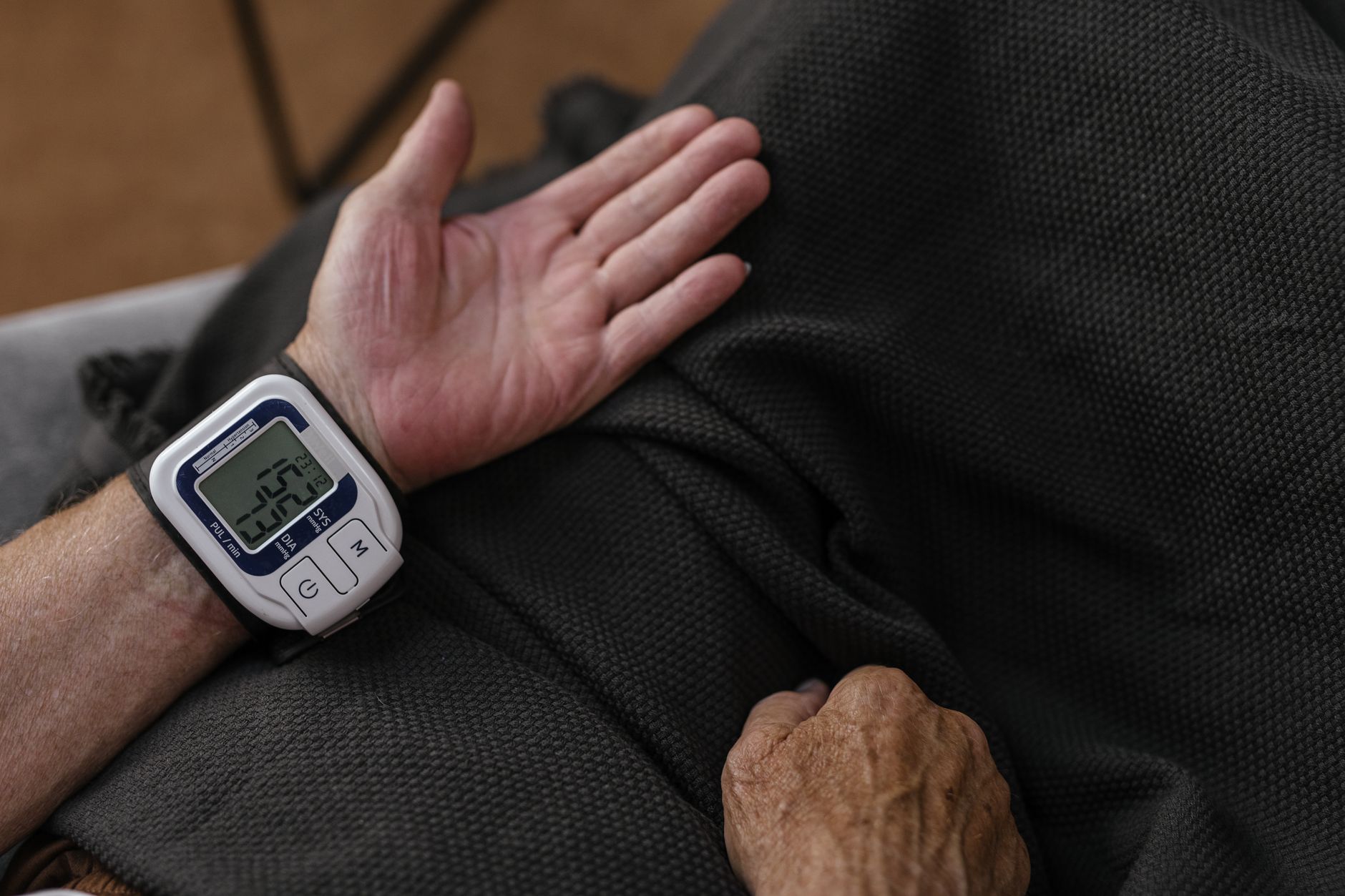
A blood pressure of 139/89 mmHg is stage 1 hypertension under American Heart Association guidance, sitting right at the top of that band. It is one point below the 140/90 mmHg threshold used in UK clinics, which makes it easy to dismiss. It should not be.
This is the reading where the number and the meaning come apart. Here is what each figure represents, how the US and UK guidelines classify 139/89, and what that single point below the line actually tells you.
What the two numbers mean
Every reading has two numbers, measured in millimetres of mercury (mmHg). The top number, 139, is your systolic pressure, the force in your arteries as your heart beats. The bottom number, 89, is your diastolic pressure, the force between beats while your heart rests. A reading is judged by whichever number falls in the higher category, and at 139/89 both sit in the same band.
Where 139/89 sits: AHA and NHS
Under the American Heart Association blood pressure categories:
- Normal: less than 120 systolic and less than 80 diastolic.
- Elevated: 120 to 129 systolic and less than 80 diastolic.
- Stage 1 hypertension: 130 to 139 systolic or 80 to 89 diastolic.
- Stage 2 hypertension: 140 or higher systolic, or 90 or higher diastolic.
At 139/89, both numbers sit at the very top of stage 1. One more point on either figure would move the reading into stage 2, so this is the ceiling of the milder band rather than a comfortable spot within it.
UK guidance frames it by where the reading was taken. NICE treats high blood pressure as a clinic reading of 140/90 mmHg or higher, confirmed by a home or ambulatory average of 135/85 mmHg or higher. So a clinic 139/89 sits just under the clinic line, while a home average of 139/89 is above the 135/85 home threshold and does count as high. See our guide to understanding your blood pressure readings.
Is 139/89 high blood pressure?
By the AHA standard, yes. By UK clinic standards, a one-off 139/89 is just below the diagnostic line, and a 139/89 home average is above it.
The more useful point is that guideline categories are administrative cut-offs drawn across a risk gradient that is genuinely continuous. Nothing changes in your arteries between 139 and 140. Blood pressure also varies from beat to beat and across the day, which both the American Heart Association and the NHS emphasise, so a reading of 139/89 this morning could easily read 142/91 tomorrow with nothing having changed about your health.
That cuts both ways. It means a single 139/89 is not a diagnosis and not a reason to panic. It also means “just under the line” is not the same as “fine”. Treat 139/89 as a number that has earned your attention.
What to do about a 139/89 reading
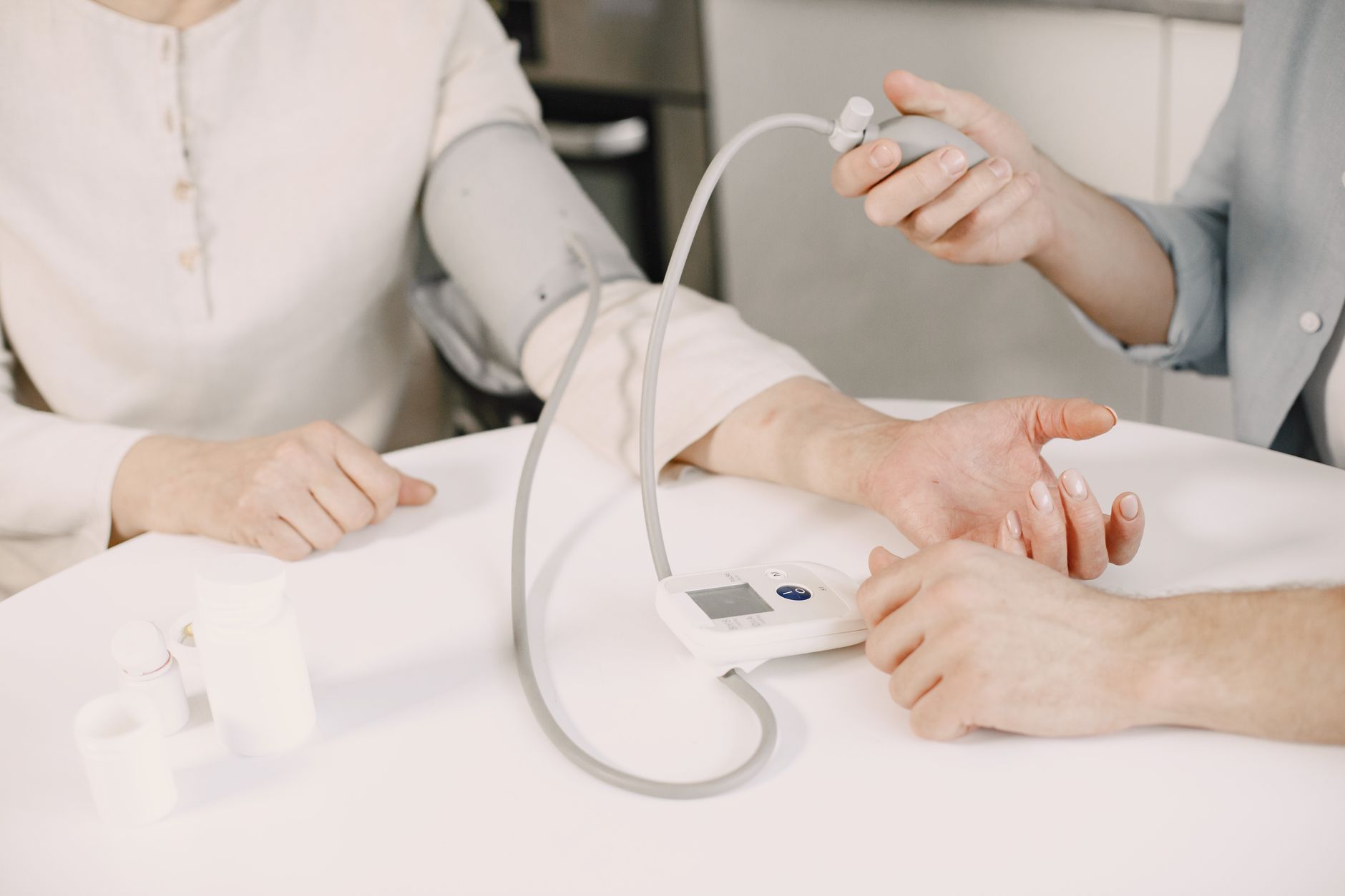
Start by confirming it properly. Rest quietly for five minutes, sit with your back supported and feet flat on the floor, keep the cuff at heart level, then take two or three readings a minute apart and average them. Readings taken soon after coffee, exercise, or a stressful moment run high. Our guide to measuring blood pressure at home has the full technique.
Then build an average rather than reacting to one number. A week or two of readings at the same time each day tells you whether 139/89 is your baseline or a one-off.
If it is your average, the American Heart Association is clear on what stage 1 calls for: a healthcare professional should prescribe lifestyle changes, and may add medication depending on your risk of heart disease or stroke. They should add medication if you also have conditions such as diabetes, heart failure, or kidney disease. Our guide on how to lower your blood pressure naturally covers the habits that help, and you can compare neighbouring readings in what 138/88 means and what 140/90 means.
When to see a doctor
Book a routine appointment if your home averages sit around 135/85 mmHg or higher, which includes 139/89, so your doctor can confirm the pattern. Do this even though you feel well, because high blood pressure usually has no symptoms.
If a reading is higher than 180/120 mmHg, the American Heart Association advises waiting a minute and taking it again. If the second reading is still that high and you have no symptoms, contact your healthcare professional promptly. Call emergency services straight away if a reading that high comes with chest pain, shortness of breath, back pain, numbness, weakness, a change in vision, or difficulty speaking.
This guide is general information and does not replace personalised medical advice from someone who knows your history.
Frequently asked questions
Is 139/89 blood pressure high?
By American Heart Association standards, yes. Both numbers sit at the top of the stage 1 range of 130 to 139 systolic or 80 to 89 diastolic. Under UK guidance, a clinic 139/89 is just below the 140/90 line, but a home average of 139/89 is above the 135/85 threshold.
Is 139/89 close enough to 140/90 to matter?
Yes. The gap is a single point on a continuous scale, and normal variation easily covers it. The category changes at 140/90, but your risk does not jump there.
What should I do if my blood pressure is 139/89?
Confirm it with careful repeated readings, average them over a week or two, and take the result to your doctor. Meanwhile the standard habits apply: less salt, more movement, less alcohol, a healthy weight, and decent sleep.
This is educational information, not medical advice. If you have questions about your blood pressure or take medication for it, speak with your doctor. See the American Heart Association or the NHS. In an emergency, call your local emergency number.
Sources: American Heart Association, Understanding Blood Pressure Readings (last reviewed August 2025); NICE guideline NG136, Hypertension in adults: diagnosis and management; NHS, High blood pressure (hypertension).
Last reviewed: September 2026
A single reading is a moment, but a series is a story. Log this reading in CardioVibe and watch your trend take shape over time.
Download CardioVibe
Take control of your blood pressure with small daily habits, and see exactly what's working as your readings improve.
Download CardioVibe
Keep every reading in one place, spot patterns early, and bring a clear history to your next GP appointment.