
B - Lower BP
How to lower high blood pressure: a beginner's plan
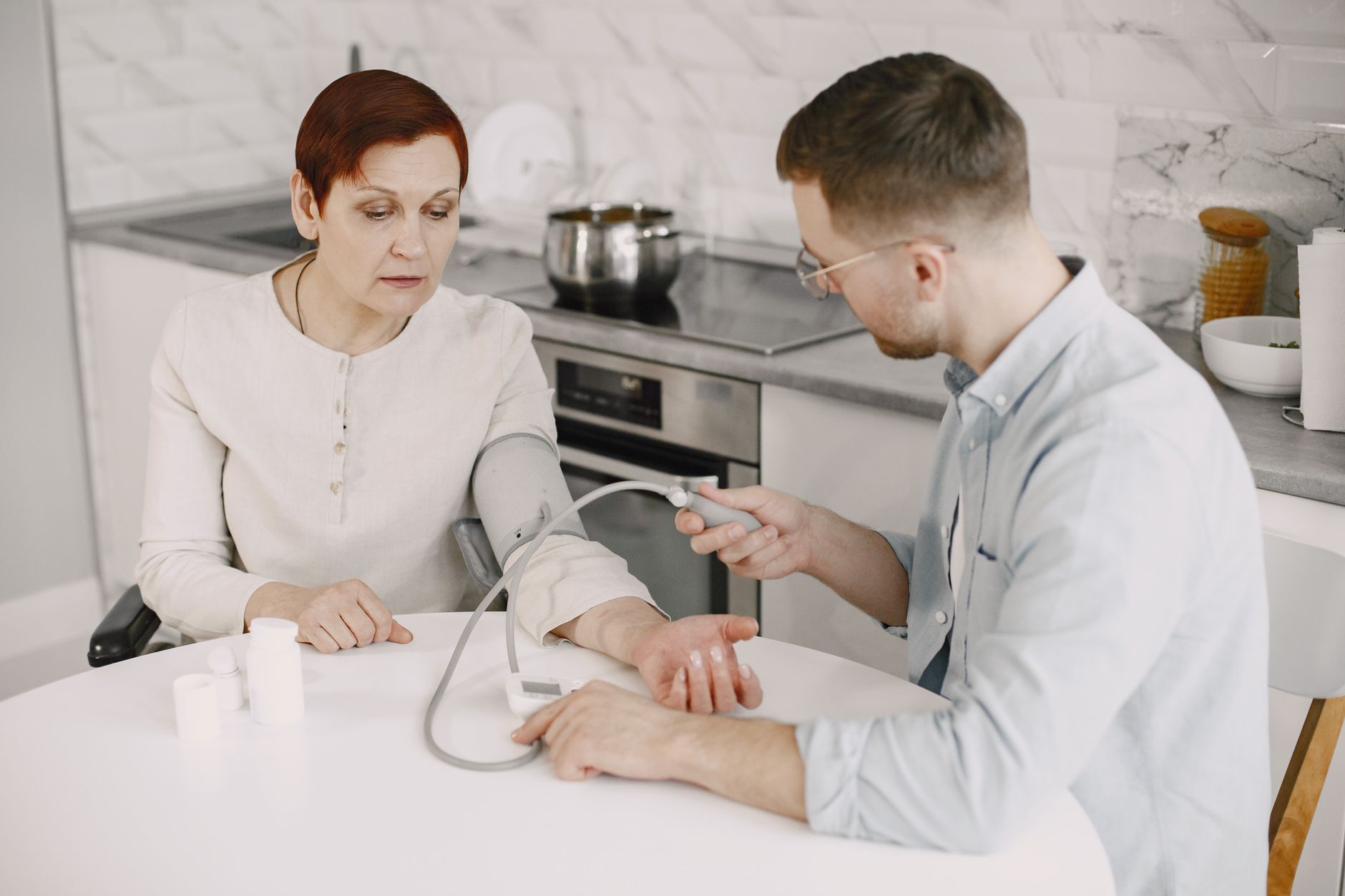
To lower high blood pressure, start with the habits major health bodies agree on: eat more vegetables, fruit and whole grains, cut back on salt, move most days, reach a healthy weight, drink less alcohol, sleep well and manage stress. Add one change at a time, track your readings, and give it a few weeks.
Being told your blood pressure is high can feel like a lot to take in at once. The reassuring part is that the plan is short, the steps are ordinary, and you do not need to do all of them perfectly. This guide is written for someone starting from scratch on how to lower high blood pressure: what the numbers mean, which habits actually move them, and a four week routine to get going. It is general information, not a replacement for your doctor’s advice.
First, understand what “high” means
Blood pressure is written as two numbers in mmHg. The top number, systolic, is the pressure when your heart beats. The bottom number, diastolic, is the pressure between beats. The American Heart Association sets out these adult categories:
- Normal: less than 120 systolic and less than 80 diastolic
- Elevated: 120 to 129 systolic and less than 80 diastolic
- Stage 1 hypertension: 130 to 139 systolic or 80 to 89 diastolic
- Stage 2 hypertension: 140 or higher systolic, or 90 or higher diastolic
- Hypertensive crisis: higher than 180 systolic or higher than 120 diastolic, which needs urgent care
UK guidance differs slightly. The NHS counts a clinic reading of 140/90 mmHg or above as high blood pressure, and a home average of 135/85 mmHg or above.
One high number is not a diagnosis. Blood pressure moves through the day in response to sleep, stress, caffeine, food and activity, so what matters is the average over time. Our guide to understanding your blood pressure readings breaks the categories down further.
Why it is worth acting on
High blood pressure usually causes no symptoms, which is why the CDC describes it as a silent condition. Left unmanaged over years, it strains the heart, arteries, kidneys and eyes, and both the CDC and the NHS link it to a higher risk of heart attack, stroke and kidney disease. The encouraging side is that the risk falls as the numbers come down, and most of the levers are everyday ones.
How to lower high blood pressure: the habits that work
Mayo Clinic and the American Heart Association point to a consistent short list. Several of these produce reductions comparable to a single medication.
Eat a DASH style diet
The Dietary Approaches to Stop Hypertension eating plan is the most studied approach. It leans on vegetables, fruit, whole grains, beans, nuts and low fat dairy, and eases back on red meat, sweets and saturated fat. Mayo Clinic notes a diet like this can lower blood pressure by up to 11 mmHg. A Mediterranean style diet follows similar principles.
Cut back on sodium
Most sodium comes from packaged and restaurant food rather than the salt shaker. The American Heart Association recommends no more than 2,300 mg a day, moving toward an ideal of 1,500 mg for most adults. Mayo Clinic puts the likely benefit at around 5 to 6 mmHg. Reading labels and cooking at home a little more often does most of the work.
Move most days
Regular aerobic activity such as brisk walking, cycling or swimming can lower blood pressure by about 5 to 8 mmHg, according to Mayo Clinic. The American Heart Association suggests at least 150 minutes of moderate activity a week, which works out at roughly 30 minutes on five days. Consistency beats intensity, and the benefit fades if you stop, so pick something you will keep doing.
Lose a little weight if you carry extra
Mayo Clinic notes that blood pressure drops by roughly 1 mmHg for every kilogram, about 2.2 pounds, of weight lost. You do not need a dramatic change for this to count.
Drink less alcohol, and do not smoke
Heavy drinking raises blood pressure and can blunt the effect of blood pressure medicines. Smoking damages blood vessels over time and each cigarette causes a short term rise. Cutting back on alcohol is one of the quicker changes to show up in your readings.
Protect your sleep and wind down
Poor sleep and ongoing stress both push blood pressure up. Aim for a consistent sleep schedule, and build in something that genuinely helps you unwind. If you snore heavily or wake unrefreshed, ask your doctor about sleep apnea, which is closely linked to hypertension.
For a longer list of small changes you can slot into an ordinary week, see 12 daily habits that lower blood pressure naturally.
A four week beginner’s plan
Trying everything at once is the fastest way to give up. Here is a gentler sequence.
- Week 1: measure and notice. Take a reading at the same time each day and write it down. Change nothing else. You are building the tracking habit and getting a baseline. Our guide to measuring blood pressure at home covers the technique, and the best time to take your blood pressure helps you pick a slot you will stick to.
- Week 2: add movement. A 20 to 30 minute walk on most days, attached to something you already do, such as after dinner.
- Week 3: tackle salt. Start checking labels, cook one or two extra meals at home, and season with herbs and spices.
- Week 4: build the plate. Add a serving of vegetables or fruit to your main meals and swap refined grains for whole grains.
By the end of the month you will have a baseline, four habits and a record you can actually read. Layer in sleep, stress and alcohol from there.
How long does it take?
It varies, and honesty helps here. Reducing sodium and alcohol, or starting regular activity, can begin nudging numbers within days to a few weeks. Weight loss and the full benefit of a DASH style diet build over weeks to months. Because readings bounce around naturally, judge progress from the trend across several weeks rather than any single measurement. If you want help spotting that trend, see how to spot a blood pressure pattern in your data.
What about medication?
For some people habits alone bring readings into a healthy range. For others, medication is part of the plan, and that is not a failure. Even on medication, these habits make treatment work better. Never start, stop or adjust a prescription on your own. That decision belongs with your doctor, who can weigh your full history. The deeper background sits in our main guide on how to lower blood pressure.
When to see a doctor
- Seek emergency care if a reading is higher than 180/120 mmHg alongside chest pain, shortness of breath, weakness or numbness, vision changes, trouble speaking or a severe headache. The American Heart Association treats this as a hypertensive crisis.
- Contact your doctor soon if your home readings sit consistently at 130/80 mmHg or above, if they are climbing, or if you feel unwell.
- Keep regular check ins if you already have a hypertension diagnosis, even when you feel fine.
Frequently asked questions
How can I lower my blood pressure quickly? Sitting quietly and breathing slowly can settle a reading taken in a stressed moment, but that is not the same as lowering blood pressure. Real reductions come from sustained changes to salt, activity, alcohol and weight over weeks. If a reading worries you, recheck it after five minutes of rest and contact a clinician if it stays high.
Can I lower high blood pressure without medication? Many people with elevated or stage 1 readings can bring numbers down with lifestyle changes alone, and the American Heart Association recommends trying them first in lower risk cases. Whether that is right for you depends on your numbers and overall risk, so ask your doctor.
Which habit lowers blood pressure the most? There is no single winner. In Mayo Clinic’s figures, a DASH style diet has the largest average effect, followed by exercise and sodium reduction, but the gains stack, so combining several beats perfecting one.
How often should I check my blood pressure at home? Most guidance suggests measuring at the same time each day while you are establishing a baseline or trying a change, then easing off once things are stable. See how often you should check your blood pressure.
The bottom line
Lowering high blood pressure is a short list of ordinary habits done consistently: less salt, more movement, better food, less alcohol, decent sleep. Start with one, measure as you go, and let the trend tell you what is working.
Last reviewed: August 2026
Sources: American Heart Association (Understanding Blood Pressure Readings; Shaking the Salt Habit; Recommendations for Physical Activity in Adults); Mayo Clinic (10 ways to control high blood pressure without medication); U.S. Centers for Disease Control and Prevention (High Blood Pressure Facts); UK National Health Service (High blood pressure).
Start this habit in CardioVibe
Consistency is the hard part, and that is what CardioVibe is built for. Log a reading in seconds, watch the trend take shape, and turn one small change at a time into a routine that sticks. It works alongside your medical care, never instead of it.
Download CardioVibe
Take control of your blood pressure with small daily habits, and see exactly what's working as your readings improve.
Download CardioVibe
Keep every reading in one place, spot patterns early, and bring a clear history to your next GP appointment.