
C - Normal/ranges
Hypertension stages 1 and 2, explained
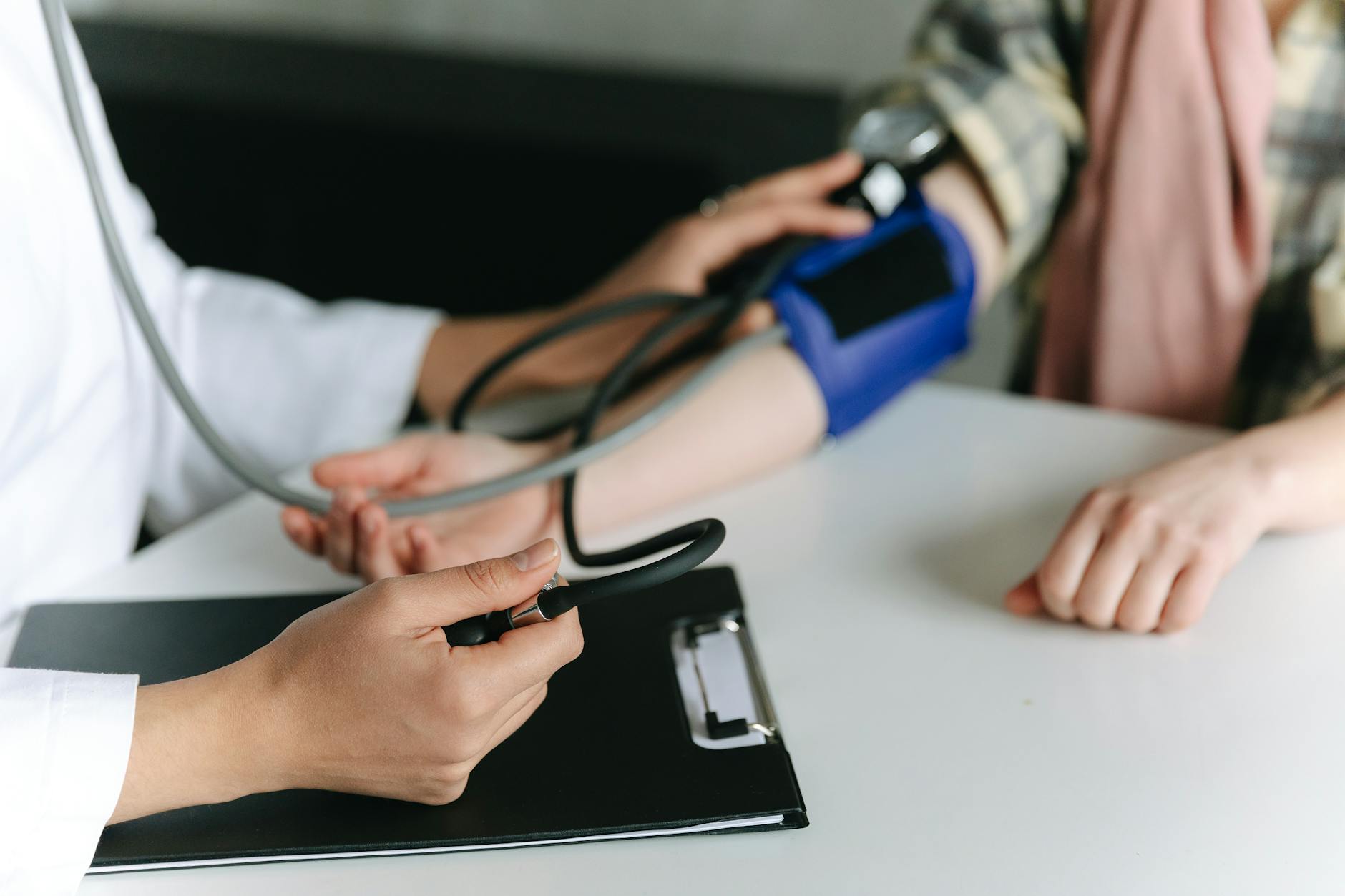
Hypertension stages describe how far above normal your blood pressure sits. Under American Heart Association guidance, stage 1 hypertension is a consistent reading of 130 to 139 systolic or 80 to 89 diastolic, and stage 2 is 140/90 mmHg or higher. The stage guides how urgently your doctor acts, not how worried you should feel today.
If a nurse or an app has just put a label on your numbers, the word “stage” can sound heavier than it is. It is really a sorting system: a way for clinicians to decide who needs habit changes and a recheck, and who needs medication straight away. Here is what each stage means, where the numbers come from, and what usually happens next.
The hypertension stages at a glance
The American Heart Association and the American College of Cardiology published an updated blood pressure guideline in 2025, and it kept the same category boundaries introduced in 2017:
- Normal: less than 120/80 mmHg
- Elevated: 120 to 129 systolic and less than 80 diastolic
- Stage 1 hypertension: 130 to 139 systolic or 80 to 89 diastolic
- Stage 2 hypertension: 140 or higher systolic, or 90 or higher diastolic
- Hypertensive crisis: higher than 180 systolic and or higher than 120 diastolic, which needs immediate care
Two details are easy to miss. First, the word “or” does the heavy lifting: you only need one of the two numbers to reach a threshold to land in that category. A reading of 135/75 mmHg is stage 1 on the top number alone. Second, the crisis row is not a stage in the same sense. It is an emergency category, covered further down.
For a wider view of every band, including low readings, see our guide to blood pressure ranges from low to normal to high.
What stage 1 hypertension means
Stage 1 is the first point at which US guidance calls a reading high rather than elevated. It sits at 130 to 139 systolic or 80 to 89 diastolic, confirmed across more than one occasion.
Stage 1 is a fork in the road, and which way you go depends on your overall cardiovascular risk rather than the number alone. The 2025 guideline uses the PREVENT risk calculator to work this out. If your estimated 10 year risk is below 7.5 percent and you have no existing heart disease, diabetes or chronic kidney disease, the recommended first step is three to six months of lifestyle change, then a recheck. If your risk is higher, or you already have one of those conditions, medication is recommended alongside those habits from the start.
That is good news for many people in stage 1. Diet, movement, sodium, alcohol, sleep and weight all move the number, and Mayo Clinic puts figures on several of them, including roughly 5 to 8 mmHg from regular aerobic activity. Our guide on how to lower blood pressure covers the habits that carry the most weight.
What stage 2 hypertension means
Stage 2 starts at 140/90 mmHg. At this level the American Heart Association recommends lifestyle changes plus blood pressure medication for most adults, without waiting to see whether habits alone will do it. The 2025 guideline goes a step further and favours starting with a single pill that combines two drug classes, because fewer tablets tends to mean better adherence and faster control.
Being told you are in stage 2 is not a verdict on your effort. Blood pressure is driven by age, genetics, kidney function, sleep apnea, other medicines and plenty else outside your control. Medication and habits are partners here, and the habits often mean a lower dose than you would otherwise need. Never start, stop or adjust a prescription on your own.
If your reading sits right on that boundary, what a blood pressure of 140/90 means unpacks it in more detail.
Why the UK uses different numbers
US and UK advice use two different sets of stages, and neither is wrong. They are drawn for different systems.
The UK’s National Institute for Health and Care Excellence, whose guidance the NHS follows, defines stage 1 hypertension as a clinic reading of 140/90 mmHg or above confirmed by a home or ambulatory average of 135/85 or above. Stage 2 is a clinic reading of 160/100 or above with a home average of 150/95 or above. Readings of 180 systolic or higher, or 120 diastolic or higher, are treated as severe hypertension and need same day assessment.
So a reading of 135/85 mmHg is stage 1 hypertension in the United States and, on a home monitor, sits right at the UK threshold for further investigation. The practical takeaway is the same either way: a number in this territory is worth tracking properly and worth a conversation with your doctor. Our explainer on what counts as high blood pressure compares the two systems side by side.
How a stage is actually diagnosed
One reading does not put you in a stage. Blood pressure rises and falls through the day with activity, stress, caffeine, sleep and even the room temperature, so the American Heart Association is clear that a diagnosis rests on readings taken on at least two separate occasions, using correct technique.
That is where home monitoring earns its place. A clinic visit gives one snapshot, often a nervous one, while a week or two of readings taken at the same times each day gives your doctor the pattern. If you are building that record, our blood pressure readings hub walks through how to take and interpret them.
A few things that keep a home average honest: rest quietly for five minutes first, sit with your back supported and feet flat, keep the cuff on bare skin at heart height, and avoid caffeine, exercise and smoking in the half hour before.
When to see a doctor
- Call emergency services if a reading is above 180/120 mmHg and you also have chest pain, breathlessness, weakness or numbness, vision changes, trouble speaking or a severe headache. This is a hypertensive emergency.
- Seek urgent advice the same day if you record a reading above 180/120 mmHg with no symptoms. Rest five minutes, take it again, and contact your doctor if it stays high.
- Book an appointment if your home readings sit at 130/80 mmHg or above across a week or two, or if they are climbing over time.
- Keep your regular reviews if you already have a diagnosis, even when you feel completely well. Hypertension usually has no symptoms at all.
This article is general information, not personalised medical advice. Your doctor sees the whole picture, including your history and your other medicines.
Frequently asked questions
Is stage 1 hypertension serious? It is worth acting on but rarely urgent. For many people with low overall cardiovascular risk, the first step recommended by the American Heart Association is three to six months of lifestyle change followed by a recheck, with medication considered if the average stays at 130/80 mmHg or above.
Can stage 2 hypertension be reversed? Blood pressure can often be brought down into a healthier range, and some people reduce or stop medication under medical supervision once habits and readings improve. That decision belongs with your doctor, and stopping treatment on your own can be dangerous.
What is the difference between stage 1 and stage 2 hypertension? The threshold and the usual response. Stage 1 is 130 to 139 systolic or 80 to 89 diastolic and is often managed with habits first. Stage 2 is 140/90 mmHg or higher and normally means medication alongside those habits from the outset.
Does one high reading mean I have hypertension? No. Blood pressure varies through the day, so a diagnosis is based on readings from at least two separate occasions. Tracking at home over a week or two gives a far more reliable picture.
The bottom line
Hypertension stages are a map, not a sentence. Stage 1 starts at 130/80 mmHg and usually opens with lifestyle changes and a recheck. Stage 2 starts at 140/90 mmHg and usually means medication as well. Both respond to the same everyday habits, and both are easier to manage when you can see your own numbers over time.
Medically reviewed by: _________________ (clinician name and credential to be added)
Last reviewed: August 2026
Sources: American Heart Association and American College of Cardiology (2025 Guideline for the Prevention, Detection, Evaluation and Management of High Blood Pressure in Adults; Understanding Blood Pressure Readings); National Institute for Health and Care Excellence (NG136, Hypertension in adults: diagnosis and management); UK National Health Service (High blood pressure); Mayo Clinic (10 ways to control high blood pressure without medication); U.S. Centers for Disease Control and Prevention (High Blood Pressure).
Track your BP free in CardioVibe
Stages are decided by patterns, not single readings. Log yours in seconds with CardioVibe, watch the trend build over the weeks, and bring a real record to your next appointment.
Download CardioVibe
Take control of your blood pressure with small daily habits, and see exactly what's working as your readings improve.
Download CardioVibe
Keep every reading in one place, spot patterns early, and bring a clear history to your next GP appointment.