A - Commercial
The best blood pressure apps in 2026 (honest comparison)
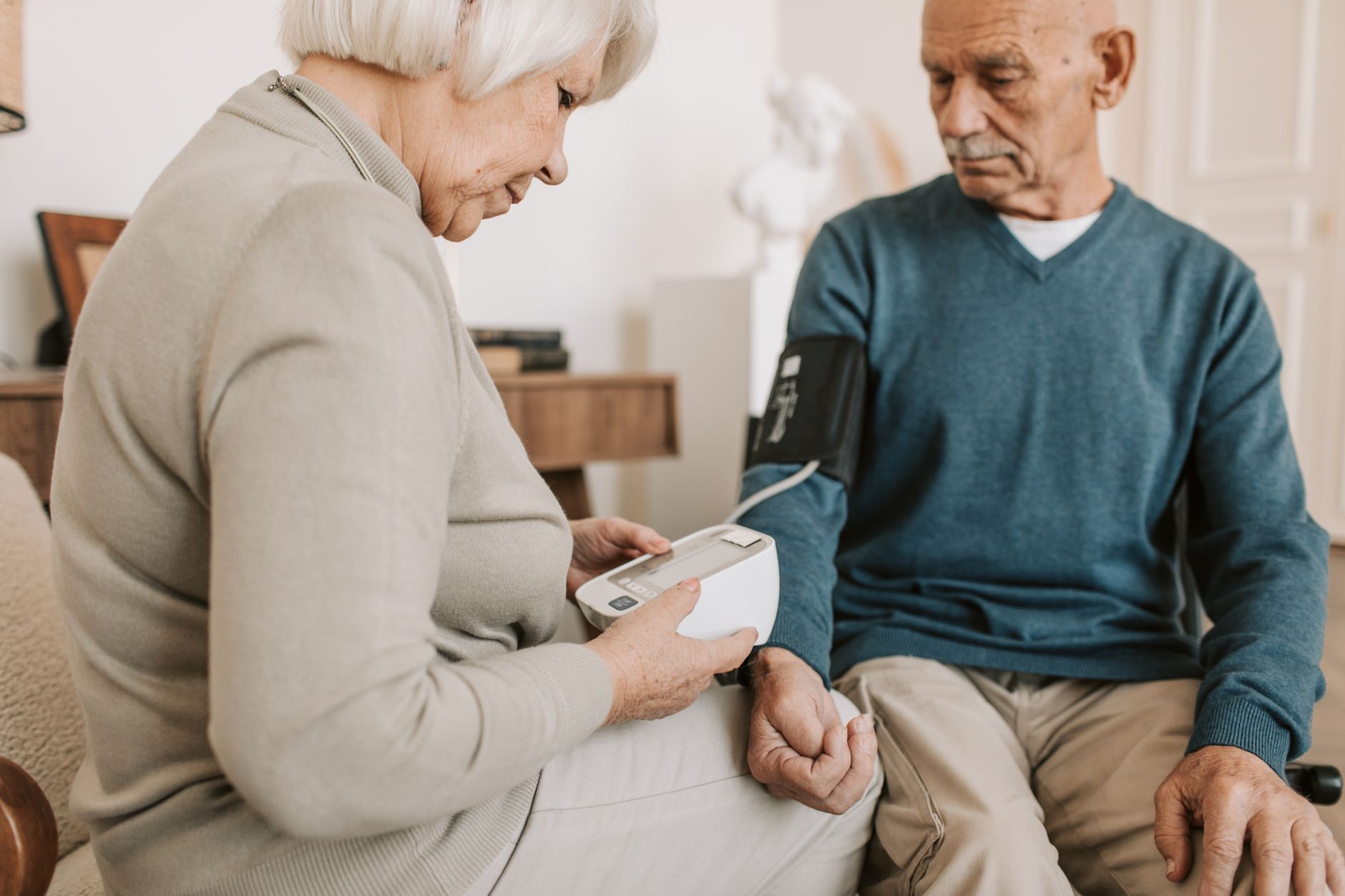
The best blood pressure app is the one you will actually open every day, that records your readings clearly, shows your trend over time, and makes it easy to share a record with your doctor. Features matter less than consistency, and no app, however polished, measures your blood pressure for you or replaces medical care.
Rather than rank apps with numbers that change constantly, this is an honest guide to the types of blood pressure apps available in 2026 and how to pick the right one for you.
What a good blood pressure app should do
Most people need far less than the feature lists suggest. The essentials are straightforward:
- Fast logging. Entering a reading should take seconds, or you will stop doing it.
- A clear trend. The point of tracking is the pattern over weeks and months, not a single number. A good app charts it for you.
- Easy sharing. Being able to show or export a clean record for an appointment is genuinely useful, since the American Heart Association (AHA) recommends home monitoring for many people and doctors rely on those readings.
- Reminders that build a habit. Gentle nudges help you measure consistently, which is where the real value lies.
- Sensible privacy. Health data is sensitive, so check how the app stores and shares it before you commit.
If an app nails these, the extras are a bonus rather than a requirement.
The main types of blood pressure apps
Apps tied to a specific monitor
Some apps are made by blood pressure monitor manufacturers and are designed to pair with that brand’s cuff, pulling readings in automatically over Bluetooth. These are convenient if you own, or plan to buy, that particular device, but they tend to work best inside their own ecosystem. If you switch monitors, you may lose the smooth connection.
Employer and insurer wellness apps
Several well-known blood pressure programmes are offered through employers or health insurers rather than directly to consumers. They can bundle coaching and sometimes a free monitor, but access often depends on your employer or plan, so they are not available to everyone.
Standalone tracking and habit apps
These work with any home monitor, because you enter your readings yourself or scan them in. Their strength is flexibility and a focus on the habit of tracking. CardioVibe sits in this category, built specifically around logging readings in seconds and turning that into a lasting routine.
General health apps with a blood pressure field
Broad wellness and note apps can store a reading, but they rarely interpret the trend or encourage the habit, so they tend to be a weak fit for anyone serious about managing blood pressure.
A caution about “measurement” claims
Be wary of any app that claims to measure your blood pressure using only your phone’s camera or sensors, without a proper cuff. Validated home measurement needs an upper-arm or wrist cuff, and regulators and the AHA have repeatedly warned that cuffless phone-only readings are not reliable. A trustworthy app records readings from a real monitor; it does not invent them.
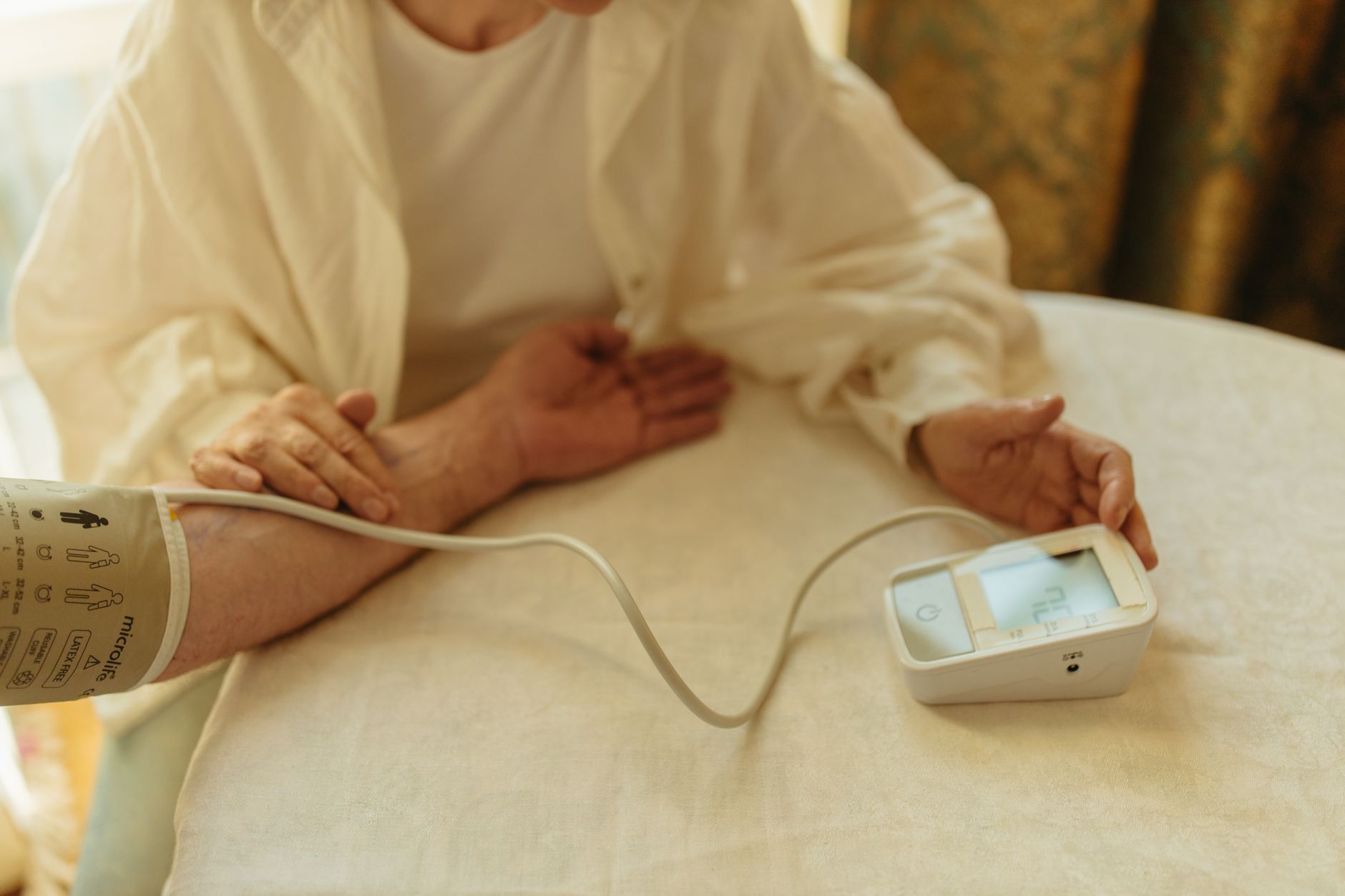
To get readings worth tracking, technique matters as much as the app. Rest quietly for five minutes, sit with your back supported and feet flat, keep the cuff at heart level and the right size, and average two or three readings. Our guide to measuring blood pressure at home covers it, and cuff size matters explains a common source of error.
How to choose the right one for you
Start from how you will use it. If you already own a connected monitor, an app that pairs with it may be simplest. If you want flexibility and a strong focus on building the daily habit, a standalone tracker like CardioVibe is a good fit. Either way, judge an app after two weeks of real use: did it make logging easy enough that you actually kept it up? That, more than any feature, is what separates the best blood pressure app for you from the rest.
For what to do with the readings once you have them, see our hub on how to lower blood pressure and how to spot a pattern in your data.
When to see a doctor
No app diagnoses or treats high blood pressure. Contact your doctor if your home readings are consistently 130/80 mmHg or above under AHA categories, if they are rising over time, or if you feel unwell. If you take medication, keep taking it as prescribed, and never start, stop, or change it on your own.
Seek urgent help right away if you record a reading higher than 180/120 mmHg, especially with chest pain, shortness of breath, weakness or numbness, vision changes, or difficulty speaking, as this can signal a medical emergency. When in doubt about any reading or symptom, speak with a healthcare professional. This guide is general information and does not replace personalised medical advice.
Try CardioVibe and build the habit
If you want an app that keeps tracking simple and works with any home monitor, you can try CardioVibe free, log your first reading in seconds, and build the daily habit that makes the data useful. It supports your care rather than replacing it.
Frequently asked questions
What is the best blood pressure app?
The best one is the app you will use consistently. Look for fast logging, a clear trend over time, easy sharing with your doctor, and sensible privacy. The habit matters more than any single feature.
Can an app measure blood pressure without a cuff?
Not reliably. Validated measurement needs an upper-arm or wrist cuff, and the AHA and regulators have warned against phone-only, cuffless readings. A good app records readings from a real monitor rather than estimating them.
Are free blood pressure apps any good?
Yes, many free apps cover the essentials of logging and trends well. CardioVibe, for example, lets you track readings free. Judge an app by whether it makes the daily habit easy, not by price alone.
Do doctors want me to use a blood pressure app?
Many clinicians welcome a clear home record, since the AHA recommends home monitoring for many people. Bring your tracked readings to appointments, and let your doctor guide any decisions about diagnosis or treatment.
Download CardioVibe
Take control of your blood pressure with small daily habits, and see exactly what's working as your readings improve.
Download CardioVibe
Keep every reading in one place, spot patterns early, and bring a clear history to your next GP appointment.