C - Readings (programmatic)
What does a blood pressure of 124/84 mean?
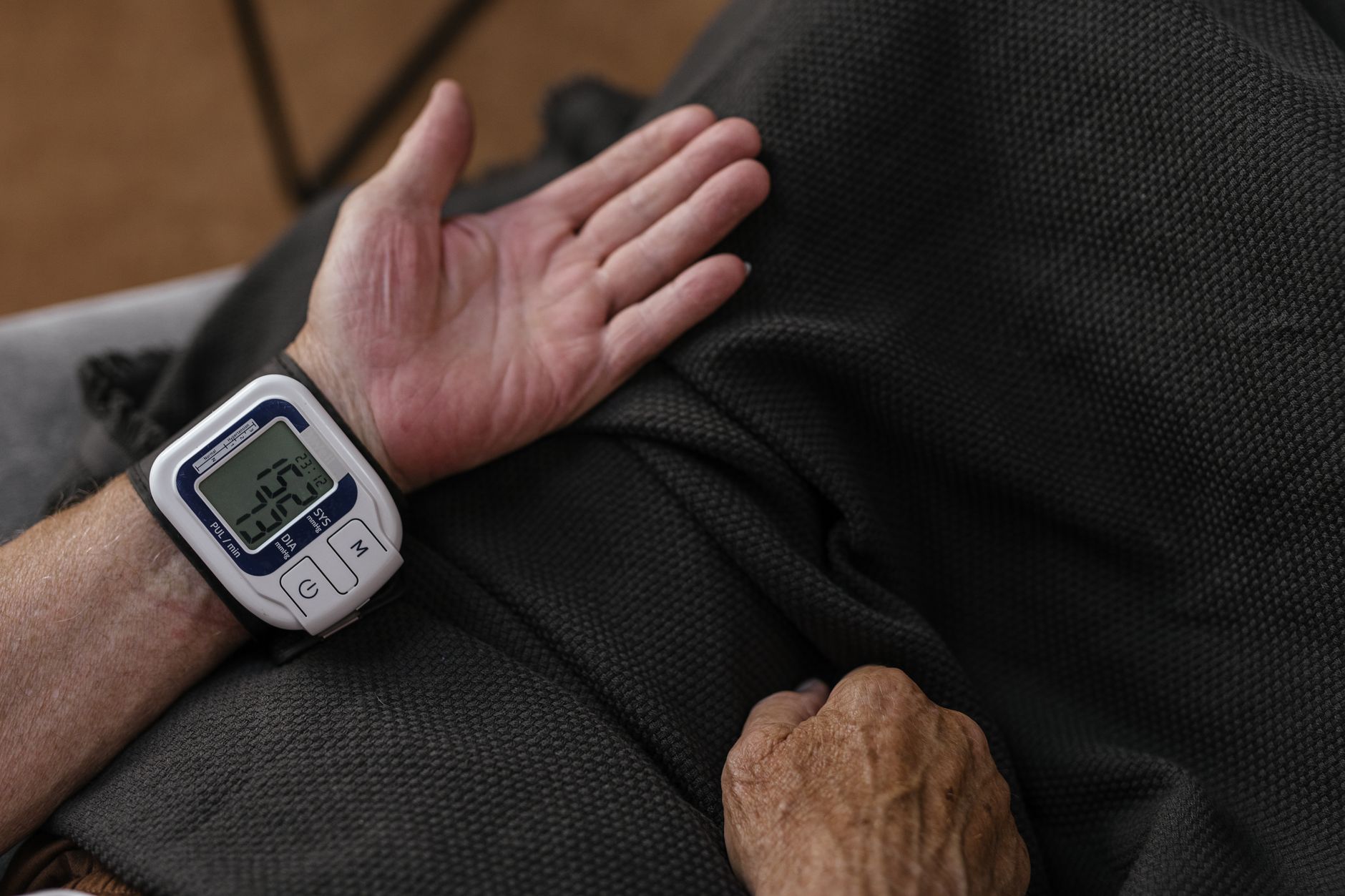
A blood pressure of 124/84 mmHg falls into stage 1 hypertension under American Heart Association categories. The systolic of 124 sits just above normal, but the diastolic of 84 crosses the 80 line, and a reading is classified by whichever number lands in the higher band. It is a mild result, not an emergency.
What 124/84 blood pressure actually means
Every reading has two numbers, in mmHg. The top number is systolic pressure, the force as your heart beats. The bottom is diastolic pressure, the force between beats. So 124/84 means a systolic of 124 and a diastolic of 84.
The American Heart Association and American College of Cardiology set out adult categories:
- Normal: less than 120 systolic and less than 80 diastolic.
- Elevated: 120 to 129 systolic and less than 80 diastolic.
- Hypertension stage 1: 130 to 139 systolic or 80 to 89 diastolic.
- Hypertension stage 2: 140 or higher systolic, or 90 or higher diastolic.
On the systolic alone, 124 would sit in the elevated band. But elevated requires a diastolic below 80, and 84 is above it. Because the stage 1 definition uses “or”, a diastolic of 80 to 89 is enough on its own. That is how 124/84 lands in stage 1.
Is 124/84 high blood pressure?
Under US guidance, yes, at the mild end. Under UK guidance it reads differently: the NHS treats a clinic reading of 140/90 mmHg or above as high blood pressure, and a home average of 135/85 mmHg or above, so 124/84 would not qualify. The NHS ideal adult range is roughly 90/60 mmHg to 120/80 mmHg, and 124/84 sits just outside it.
Neither system treats this as urgent. The American Heart Association reserves the hypertensive crisis label for readings higher than 180 systolic, or higher than 120 diastolic. A diastolic in the mid 80s is a prompt to pay attention, not a reason to panic. See our guide to understanding your blood pressure readings.
What to do about a 124/84 reading
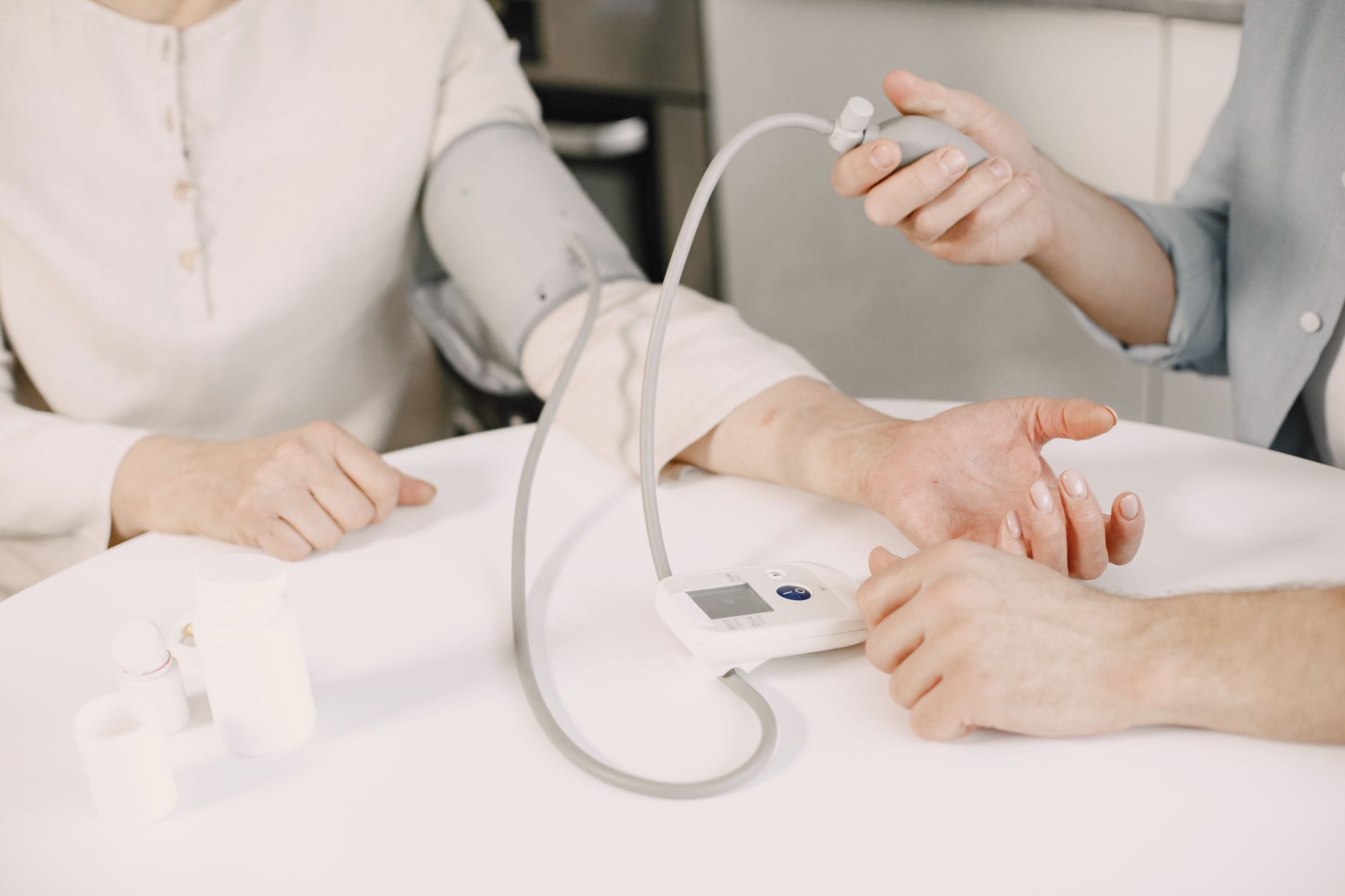
Start by checking the number is real. A full bladder, talking, crossed legs or an unsupported arm can each add several mmHg. Rest for five minutes, sit with your back supported and feet flat, keep the cuff at heart level, then take two or three readings a minute apart and average them. Our guide to measuring blood pressure at home covers the routine.
If 124/84 is close to your average, the response is straightforward. The American Heart Association recommends lifestyle changes as the first step for stage 1 hypertension in people at lower cardiovascular risk: less sodium, movement most days, less alcohol, decent sleep and a healthy weight. Mayo Clinic reports meaningful mmHg reductions from each. How to lower your blood pressure walks through them.
A raised diastolic alongside a near normal systolic is common in younger and middle-aged adults, and responds to the same habits. How to lower diastolic blood pressure covers that case. Compare nearby readings such as 122/82, 125/85 and 128/82.
When to see a doctor
- Seek emergency care for any reading above 180/120 mmHg with chest pain, shortness of breath, weakness or numbness, vision changes, difficulty speaking or a severe headache.
- Book an appointment if your home average stays at 130/80 mmHg or above, if readings are climbing over weeks, or if you have diabetes, kidney disease or heart problems.
- Mention it at your next check up if 124/84 is typical for you, so the trend gets watched.
This page is general information and does not replace advice from a healthcare professional who knows your history.
Frequently asked questions
Is 124/84 blood pressure normal? Not quite. Normal means both numbers below 120 and 80 mmHg. A systolic of 124 with a diastolic of 84 sits in stage 1 hypertension under AHA categories, though a single reading is not a diagnosis.
Should I worry about a 124/84 reading? On its own, no. Blood pressure varies through the day, and a reading in the low 120s over mid 80s is common. What matters is your average across repeated measurements.
Why is my diastolic high when my systolic looks fine? Isolated raised diastolic pressure is more common in younger adults and is often linked to weight, sodium, alcohol, stress and low activity. It responds to the same habits that lower systolic pressure.
Last reviewed: August 2026
Sources: American Heart Association (Understanding Blood Pressure Readings; 2017 ACC and AHA High Blood Pressure Guideline); Mayo Clinic (10 ways to manage high blood pressure without medicine); UK National Health Service (High blood pressure).
Log this reading in CardioVibe
One number tells you very little. Log 124/84 in CardioVibe, add the next few, and watch your average take shape. It works alongside your medical care, never instead of it.
Download CardioVibe
Take control of your blood pressure with small daily habits, and see exactly what's working as your readings improve.
Download CardioVibe
Keep every reading in one place, spot patterns early, and bring a clear history to your next GP appointment.