
A — Commercial
A better blood pressure log: track readings without the notebook
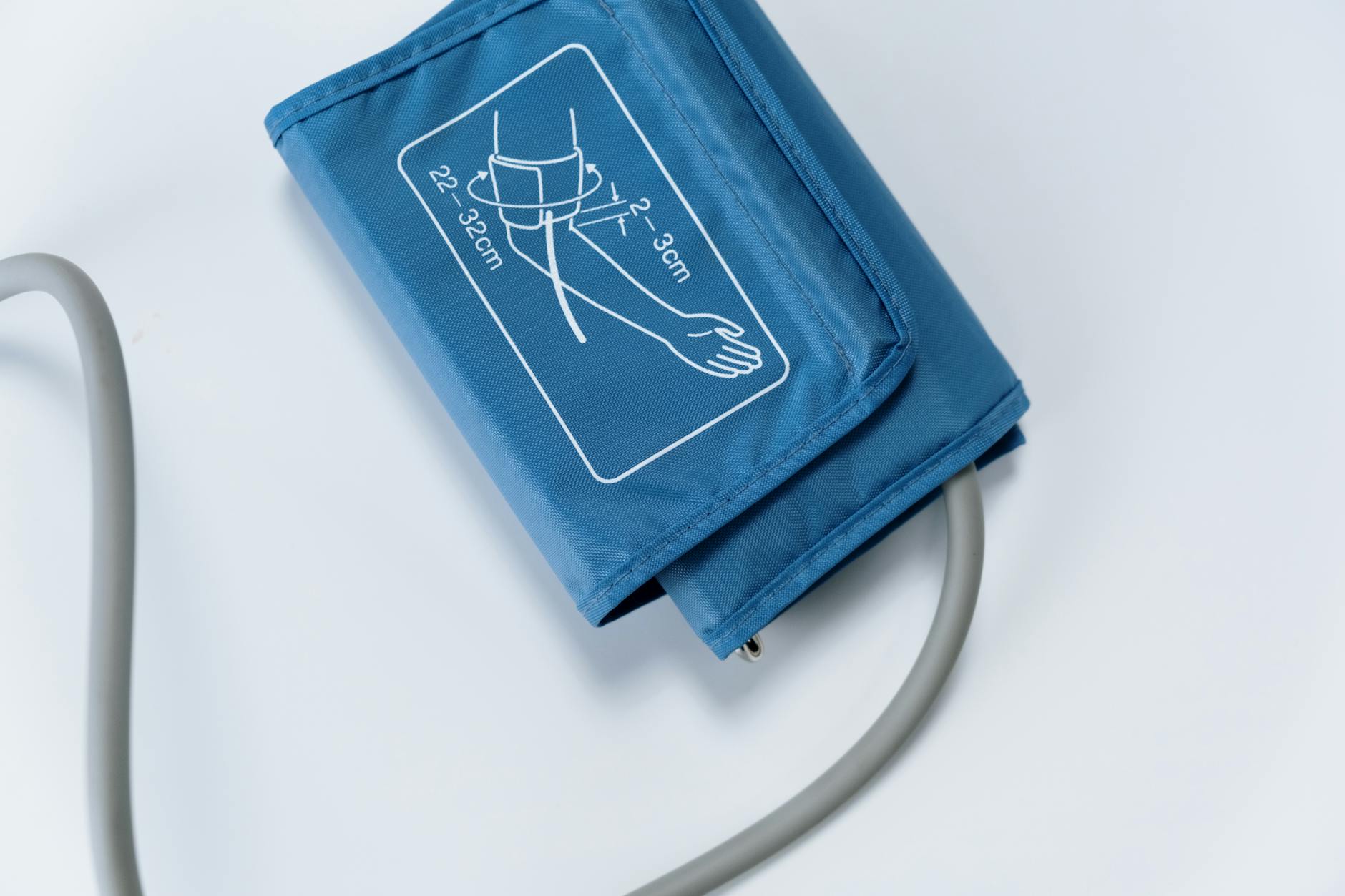
A blood pressure log is simply a record of your readings over time, with the date, time, and the two numbers. Keeping one is what turns single measurements into a trend you can actually read, and the American Heart Association (AHA) recommends home monitoring with a record you can share at appointments. You can keep a log on paper, but a simple app makes it easier to stay consistent and spot patterns.
If you have ever jotted readings on a sticky note and lost track by the next week, you already know the problem with the notebook. This guide covers what a good blood pressure log should capture, why it matters for your care, and how to keep one without the admin.
Why keep a blood pressure log at all
A single reading is a snapshot. Blood pressure rises and falls through the day, so one number, high or low, rarely tells the full story. The AHA encourages people to monitor at home precisely because a series of readings reveals the pattern that a one-off clinic measurement can miss.
A good log does three things:
- Shows the trend. You can see whether your numbers are steady, rising, or responding to a change you have made.
- Catches context. Readings taken at the same times, under the same conditions, are comparable, which makes the trend trustworthy.
- Informs your appointments. The AHA notes that home readings can help your doctor make decisions, and a clear record is far more useful than trying to remember.
Home monitoring can also help flag white coat readings, where blood pressure spikes at the clinic but sits lower at home. Our guide on white coat hypertension covers that in more detail.
What to record in your log
To make a log genuinely useful, capture a few things each time:
- the date and time of the reading
- your systolic (top) and diastolic (bottom) numbers in mmHg
- your pulse, if your monitor shows it
- a short note on anything unusual, such as poor sleep, stress, or a missed dose
Measuring at consistent times, usually morning and evening, keeps the readings comparable. For the full technique, see how to measure blood pressure at home, and for how to turn those entries into insight, how to spot a blood pressure pattern in your data.
The trouble with the paper notebook
A paper log works, and it is better than nothing. But it has real friction. It is easy to forget, easy to misplace, and hard to turn into a chart. Averaging readings by hand is tedious, so most people skip it, even though the AHA suggests taking two or three readings and recording the average. And when the notebook fills up or goes missing, the history goes with it.
Those small frictions are usually why logging quietly stops after a couple of weeks, which is a shame, because the trend only becomes useful once you have enough entries to see it.
What a digital log does better
A dedicated app removes most of that friction:
- Quick entry. Logging a reading takes seconds, so the habit is easier to keep.
- Automatic trends. Your readings become a chart without any manual maths, so a rising or falling pattern is obvious at a glance.
- Built-in averaging. Multiple readings are averaged for you, in line with AHA guidance.
- Reminders. Gentle prompts help you measure at consistent times, which is the single biggest factor in a reliable record.
- Easy sharing. You can bring a clean summary to your appointment instead of a dog-eared notebook.
The point of all this is not the technology, it is consistency. The habit is what delivers the trend, and a tool that makes the habit effortless is a tool that actually gets used. Our guide on building a tracking habit that sticks goes deeper on that.
When to see a doctor
A log is a support for your care, not a replacement for it. Contact your doctor if your readings are consistently 130/80 mmHg or above, if they are rising over time, or if you feel unwell.
Seek urgent help if a reading reaches 180/120 mmHg or higher, especially with chest pain, shortness of breath, weakness, trouble speaking, vision changes, or a severe headache, as these can signal a hypertensive crisis. A log can show you a trend, but it cannot diagnose or treat anything, so use it alongside professional advice and never change medication based on your readings without talking to your doctor.
Frequently asked questions
What should a blood pressure log include?
At a minimum, the date, time, and your systolic and diastolic numbers, plus your pulse if the monitor shows it. A short note on sleep, stress, or a missed dose adds helpful context. Measuring at consistent times keeps entries comparable.
Is an app better than a paper blood pressure log?
Both record the same numbers, but an app reduces the friction that makes people stop. It logs in seconds, charts the trend automatically, averages multiple readings, and is easy to share with your doctor, which tends to make the habit stick.
How often should I log my blood pressure?
Many people measure twice a day, morning and evening, at consistent times. Your doctor may suggest a specific schedule. Our guide on how often to check explains what suits different situations.
This is educational information, not medical advice. If you have questions about your blood pressure or take medication for it, speak with your doctor. For guidance, see the American Heart Association or the NHS. In an emergency, call your local emergency number.
Try CardioVibe and build the habit, so your readings tell a clear story over time.
Last reviewed: October 2026
Download CardioVibe
Take control of your blood pressure with small daily habits, and see exactly what's working as your readings improve.
Download CardioVibe
Keep every reading in one place, spot patterns early, and bring a clear history to your next GP appointment.