
B - Lower BP
Breathing exercises to lower blood pressure
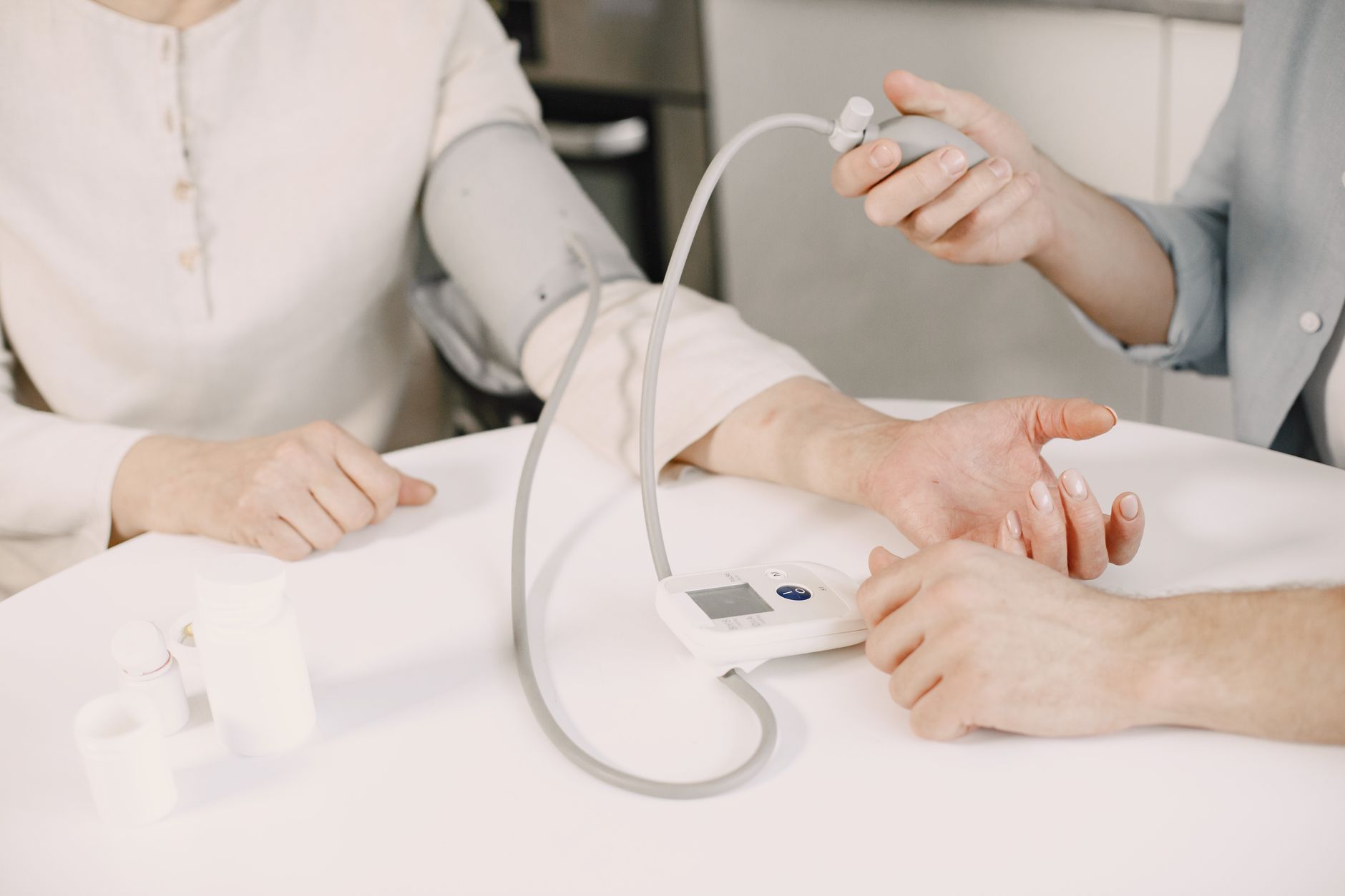
Yes, breathing exercises can lower blood pressure, and the effect is larger than most people expect. Pooled trial evidence puts slow, paced breathing at roughly 7.7 mmHg off systolic pressure in people with hypertension. It works best as a daily habit alongside diet, movement and any medication you take, not instead of them.
Do breathing exercises lower blood pressure?
The evidence here is stronger than for most things marketed as natural remedies. A 2026 systematic review and meta-analysis in Clinical Cardiology pooled 13 randomised controlled trials covering 1,097 people with hypertension and found that voluntary slow breathing lowered systolic pressure by about 7.7 mmHg on average.
The American Heart Association reviewed this territory in its 2013 scientific statement on alternative approaches to lowering blood pressure and gave device-guided slow breathing a Class IIa recommendation with Level B evidence. In plain terms, that means it is reasonable to use and there is decent supporting evidence, though some of it conflicts. Very few non-drug approaches earn that rating.
Why does it work? Breathing slowly does something specific to your nervous system. At around six breaths a minute, the reflexes that regulate your blood pressure moment to moment become more sensitive, and the sympathetic nervous system, the branch responsible for the fight or flight response, quietens down. Your arteries relax slightly. Research published in the AHA journal Hypertension found this pattern in people with essential hypertension, showing improved baroreflex sensitivity and lower pressure during slow breathing.
The honest caveat: most trials are short, the size of the benefit varies a lot between people, and breathing exercises have not been shown to replace medication. Treat this as one useful habit among several, which is exactly how our complete guide to lowering blood pressure frames it.
Three breathing exercises worth trying
1. Paced slow breathing at six breaths a minute
This is the technique behind most of the research. You are aiming for roughly five seconds in and five seconds out, which works out at six breaths a minute rather than the twelve to twenty most adults take at rest.
Sit with your back supported and your feet flat on the floor. Breathe in through your nose for a slow count of five, letting your belly rise rather than your shoulders. Breathe out gently for a count of five. Keep going for ten to fifteen minutes.
The NHS describes a close cousin of this in its guide to breathing exercises for stress: breathe in gently counting one to five, let it flow out counting one to five, and keep going for at least five minutes. If five seconds feels like a strain at first, start at four and lengthen the count over a week or two. Comfort matters more than precision, and forcing the pace tends to backfire.
2. Extended exhale breathing
A simple variation is to make the out breath longer than the in breath, for example four seconds in and six or seven seconds out. The NHS mentions a rectangular pattern of five seconds in and seven seconds out. Lengthening the exhale leans harder on the parasympathetic side of your nervous system, which is the part that slows your heart rate.
This one is easy to use in ordinary moments, not just during a formal session. Waiting for a kettle, sitting in traffic, or in the five minutes before you take a reading.
3. Inspiratory muscle strength training
This is the most surprising entry, and it is worth knowing about because it produced the largest numbers. Inspiratory muscle strength training, or IMST, means inhaling hard through a small handheld device that resists the breath, a bit like strength training for your diaphragm.
In a trial by Craighead and colleagues published in the Journal of the American Heart Association in 2021, 36 adults aged 50 to 79 with above normal systolic pressure did 30 resisted breaths a day, six days a week, for six weeks. The group doing high resistance training saw systolic pressure fall by around 9 mmHg on average, alongside a 45 percent improvement in how well their arteries relaxed. Most of the benefit was still there six weeks after they stopped.
That is a small study, and it needs a device you have to buy. The University of Colorado Boulder researchers behind it advise talking to your doctor before starting, which is sensible advice for any resisted breathing if you have a heart or lung condition.
How to build it into a daily habit
The trials that show a benefit involve daily practice over weeks, not the occasional session. That makes consistency the part that actually matters.
Anchor it to something you already do. Straight after brushing your teeth, before your first coffee, or in the ten minutes before bed. Ten to fifteen minutes a day is the range used in most slow breathing research, but five minutes done every day beats twenty minutes done twice a month.
Pick the same time each day and keep it there. Blood pressure follows a daily rhythm, and a steady slot makes your own numbers easier to interpret later. Our guide to when to check your blood pressure covers how to build that routine.
Expect a slow signal rather than a dramatic one. A single session may lower your reading for a while, which is genuinely useful when you feel wound up, and lowering blood pressure at home covers what does and does not help in the moment. The lasting change comes from the weeks of repetition, so judge it on your two week average rather than any single number.
One practical note on measuring. The AHA asks you to sit quietly for five minutes before a reading, and to avoid caffeine, exercise and smoking for at least 30 minutes beforehand. If you do your breathing session immediately before measuring, your reading reflects the session rather than your usual state. Keep the two separate if you want comparable numbers.
What breathing exercises will not do
Breathing work is a helpful addition, not a treatment on its own. It does not replace blood pressure medication, and stopping a prescription because your readings improved is genuinely dangerous. That is a conversation for your doctor.
The habits with the largest and most consistent evidence remain the familiar ones: reducing sodium, eating more vegetables, fruit and whole grains, moving most days, reaching a healthy weight, drinking less alcohol and sleeping properly. Our 12 daily habits guide covers each of them, and how to lower diastolic blood pressure is worth reading if your bottom number is the one causing concern. Regular aerobic activity in particular has a deeper evidence base than breathing work, as does exercise lower blood pressure explains.
Think of breathing exercises as the habit that costs nothing, takes minutes, and stacks on top of everything else.
When to see a doctor
Book an appointment if your home readings average 130/80 mmHg or higher across a couple of weeks, if your numbers are climbing, or if you already take blood pressure medication and want to know how breathing work fits alongside it. Bring your logged readings, since an average is far more informative than any single measurement.
Check with a clinician before starting resisted breathing such as IMST if you have a heart condition, a lung condition, glaucoma, or are pregnant. Stop and seek advice if any breathing exercise leaves you dizzy, breathless or lightheaded.
Seek help right away if you record a reading above 180 systolic or above 120 diastolic. The AHA advises waiting five minutes and measuring again, then contacting your doctor without delay if it stays that high. Call emergency services immediately if a very high reading comes with chest pain, shortness of breath, numbness or weakness, vision changes or difficulty speaking. This guide is general information and does not replace personalised medical advice.
Start this habit in CardioVibe
A breathing practice only shows up in your numbers if you keep it going and watch the trend. You can start this habit free in CardioVibe, log your daily session alongside your readings, and see whether your average shifts over a month. It supports your care rather than replacing it.
Frequently asked questions
How long does it take for breathing exercises to lower blood pressure?
Most trials run for four to eight weeks of daily practice before measuring a change. A single session can lower your reading temporarily, but the lasting effect builds over weeks, so judge it on your average rather than one measurement.
What is the best breathing exercise for high blood pressure?
Slow paced breathing at around six breaths a minute has the most research behind it and needs no equipment. Inspiratory muscle strength training produced larger reductions in one trial but requires a handheld device and a word with your doctor first.
How many minutes a day should I practise?
Ten to fifteen minutes a day matches what most slow breathing studies used. Five minutes daily is a reasonable starting point, and daily consistency matters more than session length.
Can deep breathing replace blood pressure medication?
No. Breathing exercises are a complement to treatment, not a substitute. Never stop or reduce a prescription without speaking to the clinician who prescribed it.
Download CardioVibe
Take control of your blood pressure with small daily habits, and see exactly what's working as your readings improve.
Download CardioVibe
Keep every reading in one place, spot patterns early, and bring a clear history to your next GP appointment.