B — Lower BP
Does caffeine raise your blood pressure?

Yes, but usually only briefly. Mayo Clinic reports that caffeine can cause a short rise in blood pressure, even in people who do not have hypertension, and that the effect is strongest in those who rarely drink it. Regular coffee drinkers build a tolerance and often see little or no change.
If you track your numbers and wonder whether your morning coffee is skewing them, here is what the major health bodies say about caffeine and blood pressure, and how to test your own response.
How caffeine and blood pressure are connected
Mayo Clinic explains that caffeine may cause a brief rise in blood pressure even in people without high blood pressure, and that this short-term spike happens mainly in those who do not drink caffeine often. The response varies from person to person.
Why it happens is not settled. Some researchers think caffeine blocks a hormone that keeps the arteries widened, others that it prompts the adrenal glands to release more adrenaline. Mayo Clinic notes stress might play a role too.
Does caffeine cause long-term high blood pressure?
For most regular drinkers, no. Mayo Clinic states that people who regularly consume caffeine develop a tolerance, so caffeine does not have a long-term effect on blood pressure and is not linked with a higher risk of hypertension. It also says that if you have high blood pressure and already drink caffeine regularly, you likely do not need to limit or stop it, though you should ask your healthcare professional to be sure.
Volume still matters. The UK’s NHS lists “do not drink too much caffeine” among its everyday steps for lowering blood pressure, alongside eating less salt, exercising regularly, and drinking less alcohol. Mayo Clinic cites the U.S. Food and Drug Administration figure of 400 mg a day as generally safe for most adults, but notes that genes affect how fast you clear caffeine. Some people get insomnia, palpitations, or anxiety on much less.
How to test whether caffeine affects your readings
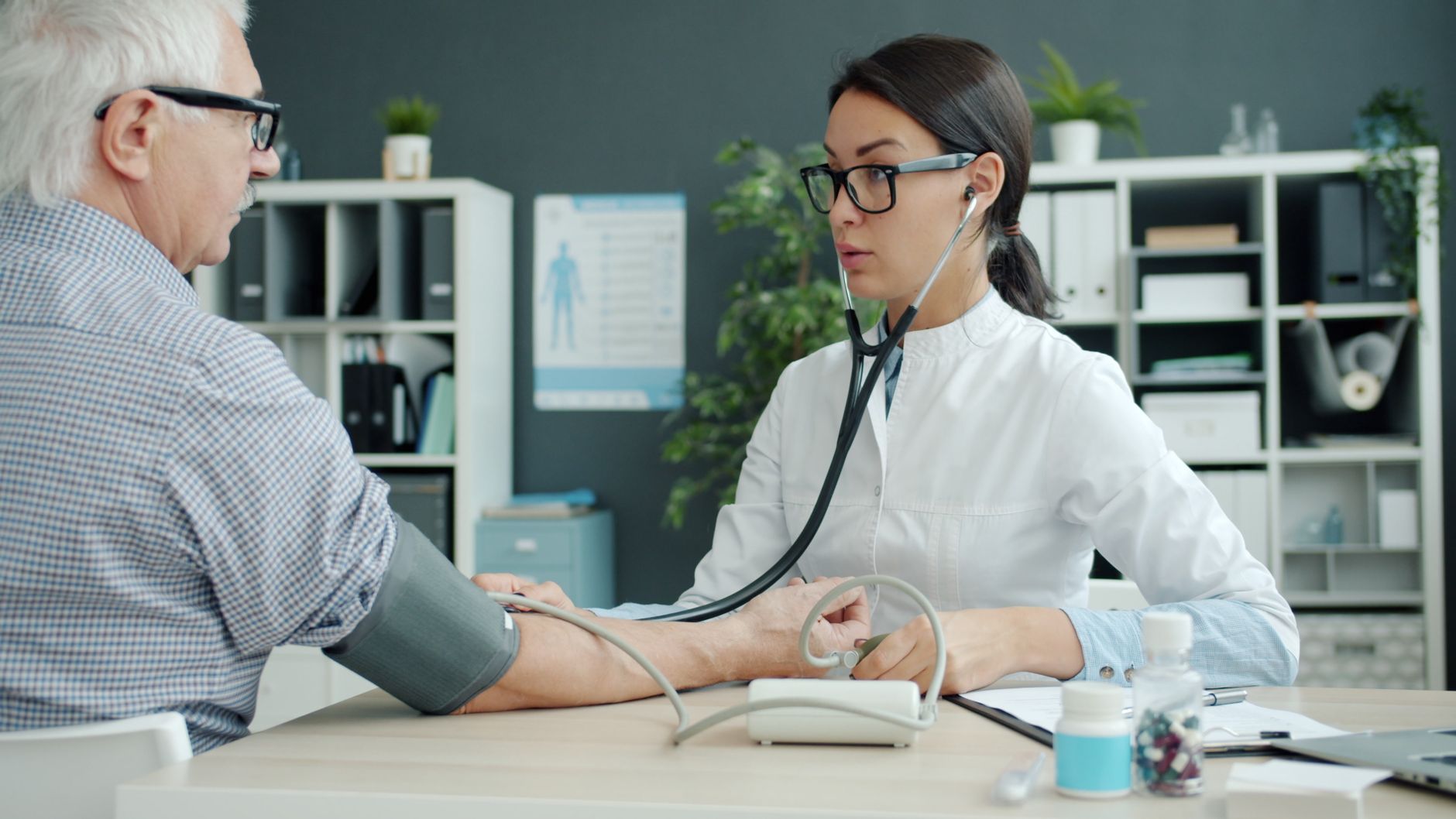
First, keep caffeine out of the measurement itself. The American Heart Association advises avoiding caffeine, exercise, and smoking for at least 30 minutes before a reading, because all three temporarily raise heart rate and blood pressure. Skipping that wait is a common reason home numbers look high, as covered in 7 mistakes that ruin your home blood pressure reading and how to measure blood pressure at home.
Then run the check Mayo Clinic describes. Measure before you drink a coffee, then again 30 to 120 minutes afterward. If you rarely drink coffee and your reading rises by roughly 5 to 10 points, you may be sensitive to caffeine. Repeat on a few separate days, since blood pressure moves around naturally. Caffeine is only one lever; the habits that matter most are in how to lower blood pressure.
When to see a doctor
Caffeine questions are rarely urgent, but some readings and symptoms are.
- Speak to your doctor if your home readings are consistently 130/80 mmHg or higher, which the American Heart Association classes as stage 1 hypertension, or if they are climbing over time.
- Recheck, then call your doctor if you record a reading higher than 180 systolic, higher than 120 diastolic, or both. The AHA advises waiting five minutes and measuring again, then contacting your doctor without delay if it stays that high.
- Call emergency services if such a reading comes with chest pain, shortness of breath, back pain, numbness or weakness, vision changes, or difficulty speaking.
Mention persistent palpitations or chest discomfort after caffeine to a clinician too. This guide is general information and does not replace personalised medical advice.
Track your caffeine and your readings together
Patterns are easier to spot when the numbers sit side by side. You can track your blood pressure free in CardioVibe and note your coffee, so you and your doctor can see how your body responds.
Frequently asked questions
How long does caffeine raise blood pressure?
The effect is short-lived. Mayo Clinic suggests checking 30 to 120 minutes after a caffeinated drink to catch the rise, which points to a window of roughly a couple of hours rather than a lasting change.
How much does caffeine raise blood pressure?
It depends on the person. Mayo Clinic’s guidance is that if you rarely drink coffee and your reading climbs by about 5 to 10 points, you may be sensitive to caffeine. Regular drinkers often see little or no change.
Should I stop drinking coffee if I have high blood pressure?
Not necessarily. Mayo Clinic notes that regular caffeine drinkers with high blood pressure likely do not need to limit or stop it, though you should confirm with your healthcare professional.
Does decaf coffee raise blood pressure?
Decaf contains only a small amount of caffeine, so it avoids the short-term spike. If you are cutting back, Mayo Clinic recommends reducing gradually over a few days to a week to prevent withdrawal headaches.
Last reviewed: September 2026
Sources: Mayo Clinic (Caffeine: How does it affect blood pressure?, reviewed July 2024); American Heart Association (The rules for measuring blood pressure, June 2024; Blood Pressure Categories chart, 2025); UK National Health Service (High blood pressure).
Download CardioVibe
Take control of your blood pressure with small daily habits, and see exactly what's working as your readings improve.
Download CardioVibe
Keep every reading in one place, spot patterns early, and bring a clear history to your next GP appointment.