
B — Lower BP
Stress and blood pressure: how to break the cycle
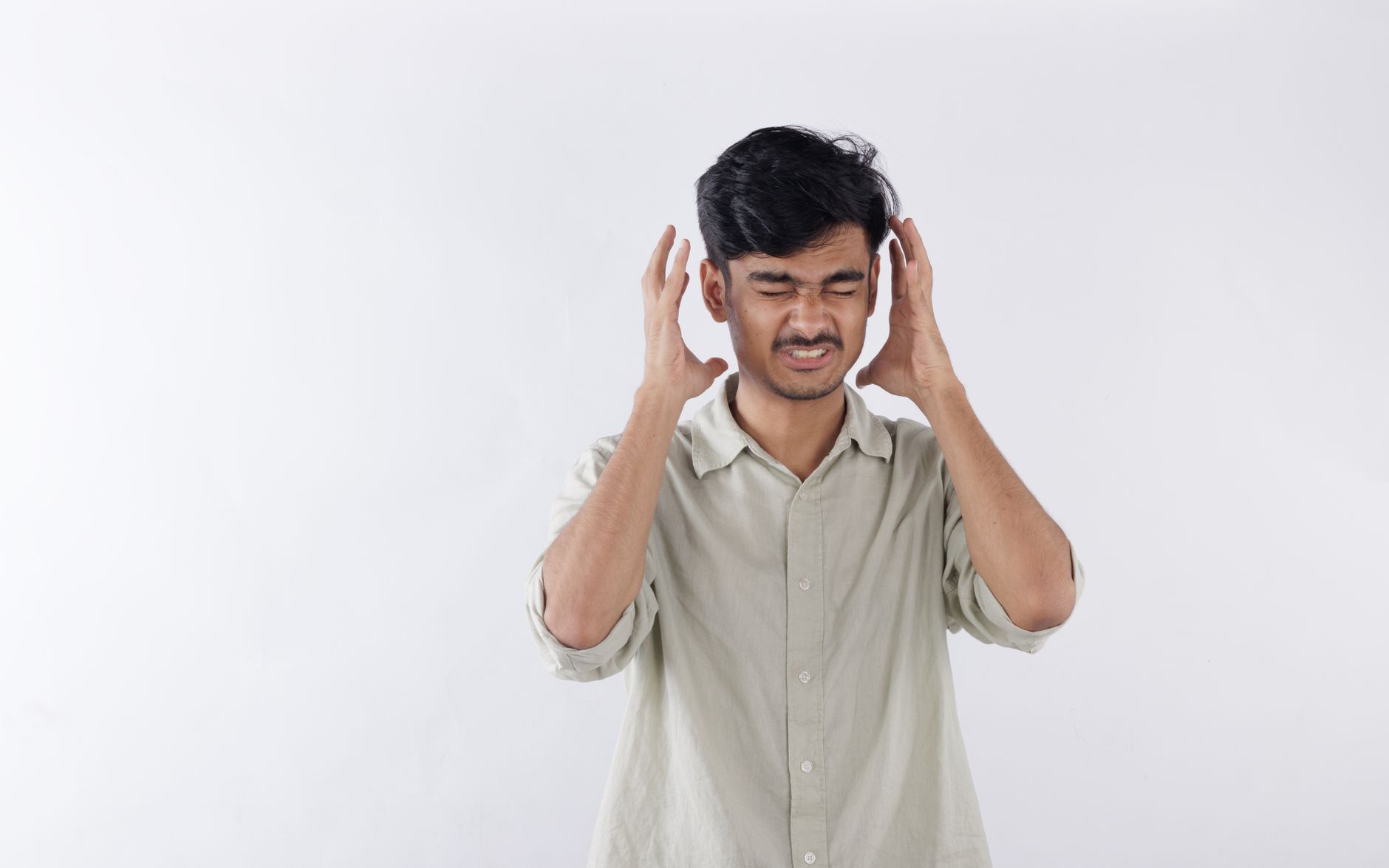
Stress and blood pressure are linked, but mostly in the moment. When you feel under pressure, your body releases adrenaline and cortisol, your heart beats faster and your blood vessels narrow, so the number goes up. That spike usually settles once the stressful moment passes. The longer term risk comes from what ongoing stress does to your daily habits.
That distinction changes what you should actually do about it. If your readings are high and you suspect stress is behind them, here is what the evidence says, where the real risk sits, and which habits break the cycle. None of it replaces your doctor’s advice.
Can stress cause high blood pressure?
The American Heart Association (AHA) describes the short term effect clearly: a stressful situation triggers the fight or flight response, blood pressure rises, and it returns to its previous level once the stress reaction fades. This is situational stress, and on its own it is a normal, healthy response.
Chronic stress is a harder question. The AHA is candid that the links between long term stress and sustained high blood pressure are still being studied and are not fully settled. The NHS takes the same line: feeling stressed raises blood pressure for a short time, which is normal, but the behaviours that tend to come with stress are what lead to lasting high blood pressure.
There is evidence that stress leaves a measurable mark, though. A study published in Hypertension, an AHA journal, followed more than 400 adults who started with normal blood pressure. Over a median of 6.5 years, each doubling of four stress hormones measured in urine was linked to a 21 to 31 percent higher risk of developing hypertension. That is an association rather than proof of cause, but it points in a consistent direction.
So: stress definitely moves your numbers in the moment, it is plausibly linked to developing hypertension over years, and it reliably pushes people toward habits that raise blood pressure. All three are worth acting on.
The cycle: how stress quietly raises your numbers
The mechanism most likely to affect you is indirect, and it is the one you have the most control over. The NHS names the usual suspects: overeating, eating too much salt, drinking too much alcohol and not being active enough. Add poor sleep and smoking, and you have the full picture.
The cycle tends to run like this. A stressful stretch shortens your sleep. Tired, you skip the walk and reach for convenience food, which is where most dietary sodium hides. A drink in the evening takes the edge off. Your readings creep up, and worrying about them adds another layer of stress on top.
Nothing in that chain is a character failure. It is what pressure does to routines, which is why the way out is practical rather than a matter of willpower.
Stress and blood pressure: the habits that actually help
Mayo Clinic notes that relaxation techniques can lower blood pressure and slow your breathing rate, and works best alongside exercise, a healthy diet, good sleep and social support. The NHS points to evidence that meditation, muscle relaxation, yoga and deep breathing can all lower blood pressure. Here is where to focus.
Slow, paced breathing
This is the most direct lever, and it costs nothing. Mayo Clinic cites research showing that slow paced breathing, around 5 to 7 deep breaths per minute, combined with mindfulness can reduce blood pressure. Five minutes is enough to start. It is also the single best thing to do before a reading, since rushing straight to the cuff from a stressful task inflates the number. Our guide to breathing exercises to lower blood pressure covers the technique in detail.
Movement, especially the unambitious kind
Regular aerobic activity can lower blood pressure by roughly 5 to 8 mmHg according to Mayo Clinic, and it is one of the most reliable stress regulators there is. When you are stretched thin, a 20 minute walk you will actually take beats a gym plan you will abandon. See does exercise lower blood pressure for how much and what kind.
Protect your sleep first
Sleep is where the stress cycle either breaks or compounds. Your blood pressure normally falls overnight, so short or broken sleep keeps it elevated for longer. If you are going to fix one thing during a stressful period, make it a consistent bedtime. More on the link in how sleep affects your blood pressure.
Watch the salt and the alcohol, gently
These are the two habits stress reliably pushes in the wrong direction, and both respond quickly. The AHA recommends no more than 2,300 mg of sodium a day, moving toward 1,500 mg for most adults. Cutting back on alcohol is one of the faster acting changes available to you.
Ask for help with the stress itself
If stress is affecting your daily life, the NHS advises contacting NHS 111 or a GP, and in England you can refer yourself for free NHS talking therapies without seeing a GP first. Treating the stress is not separate from treating the blood pressure.
Is it stress, or is it your blood pressure?
Here is a trap worth knowing about. If your readings are high only at the doctor’s office and normal at home, that is likely white coat hypertension, a short lived spike caused by the clinical setting rather than a sign of sustained high blood pressure. It is common and home monitoring is the best way to confirm it. Our guide on white coat hypertension explains what to do next.
The same logic applies at home. One high reading after a difficult phone call tells you almost nothing. A pattern across several weeks tells you a lot. Measuring at the same time each day, after five minutes of sitting quietly, is what separates signal from noise, and that pattern is what your doctor wants to see.
For the full set of habits that bring readings down, our guide to lowering blood pressure covers diet, movement, sleep and sodium together.
When to see a doctor
Stress is not a reason to wait and see. Get medical input if:
- Call emergency services for a reading above 180/120 mmHg alongside chest pain, shortness of breath, weakness or numbness, vision changes, difficulty speaking or a severe headache. These can signal a medical emergency.
- Contact your doctor soon if your home readings are consistently 130/80 mmHg or above, if they are climbing over time, or if you feel unwell.
- Speak to a GP or call NHS 111 if stress is interfering with your daily life, sleep or relationships.
- Never stop or adjust blood pressure medication on your own because you think stress explains the readings.
This guide is general information and is not a substitute for personalised medical advice.
Frequently asked questions
Can stress alone cause high blood pressure? Stress reliably causes a temporary rise. Whether chronic stress directly causes sustained hypertension is still being studied, and the AHA says the link is not clear. What is clearer is that stress drives habits like poor sleep, higher salt intake, more alcohol and less activity, and those do raise blood pressure over time.
How long does a stress spike in blood pressure last? Usually minutes to hours. The AHA notes that blood pressure returns to its pre-stress level once the stress reaction passes. This is why a single reading taken during a tense moment is not a reliable measure of your usual blood pressure.
Does deep breathing really lower blood pressure? Yes, modestly. Mayo Clinic cites research showing slow paced breathing at roughly 5 to 7 breaths per minute, combined with mindfulness, can reduce blood pressure. It works best as part of a wider set of habits rather than on its own.
Should I stop checking my blood pressure if it makes me anxious? Not usually, though it is worth discussing with your doctor. Checking less often but more consistently, for example once a day at a fixed time rather than several times when you feel worried, tends to reduce the anxiety while still giving you a useful pattern.
The bottom line
Stress and blood pressure are connected, but the strongest connection runs through your habits rather than your hormones. Short spikes are normal and pass. The lasting risk sits in the sleep you lose, the salt you eat, the walks you skip and the drinks that creep up during hard stretches. Pick one of those, protect it, and track what happens to your numbers over a few weeks.
Medically reviewed by: _________________ (clinician name and credential to be added)
Last reviewed: September 2026
Sources: American Heart Association (Managing Stress to Control High Blood Pressure; Stress and Heart Health; Understanding Blood Pressure Readings); Hypertension, an AHA journal (Urinary Stress Hormones, Hypertension, and Cardiovascular Events: The Multi-Ethnic Study of Atherosclerosis); Mayo Clinic (Relaxation techniques; 10 ways to manage high blood pressure without medicine); UK National Health Service (NHS, High blood pressure; Every Mind Matters, Stress).
Start this habit in CardioVibe
Stress makes consistency hard, which is exactly when tracking helps most. Log your readings in seconds in CardioVibe, add a one tap note about how the day felt, and watch the pattern take shape over weeks instead of guessing from single readings.
Download CardioVibe
Take control of your blood pressure with small daily habits, and see exactly what's working as your readings improve.
Download CardioVibe
Keep every reading in one place, spot patterns early, and bring a clear history to your next GP appointment.