C - Readings (programmatic)
What does a blood pressure of 136/86 mean?
A blood pressure of 136/86 mmHg is stage 1 hypertension under current American Heart Association guidance. Both numbers sit inside the stage 1 band, so neither one is pulling the reading up on its own. One measurement is not a diagnosis, though, and your average over a week or two matters far more.
What a 136/86 blood pressure reading means
Every reading has two numbers, measured in mmHg. The top number is systolic pressure, the force in your arteries each time your heart beats. The bottom number is diastolic pressure, the force between beats, when the heart is refilling. So 136/86 means a systolic of 136 and a diastolic of 86.
The American Heart Association and the American College of Cardiology set adult categories like this:
- Normal: less than 120 systolic and less than 80 diastolic.
- Elevated: 120 to 129 systolic and less than 80 diastolic.
- Hypertension stage 1: 130 to 139 systolic, or 80 to 89 diastolic.
- Hypertension stage 2: 140 or higher systolic, or 90 or higher diastolic.
A systolic of 136 is in the stage 1 range, and a diastolic of 86 is too. That makes 136/86 stage 1 hypertension on both counts. Our guide to hypertension stages 1 and 2 explained covers what separates the two.
Is 136 over 86 high blood pressure?
Under US guidance, yes. It is above normal and above elevated, though still a step below stage 2.
The NHS draws its lines in a different place. It generally treats high blood pressure as a clinic reading of 140/90 mmHg or higher, or a home average of 135/85 mmHg or higher. A home average of 136/86 is above both parts of that home threshold, so 136/86 counts as high under NHS home monitoring as well as under AHA categories. The two systems agree here, which makes the answer unusually clear.
That is worth knowing without being worth panicking about. Stage 1 is the stage where everyday habits tend to do the most work. For a nearby comparison one notch lower, see what 135/85 means.
What to do about a 136/86 reading
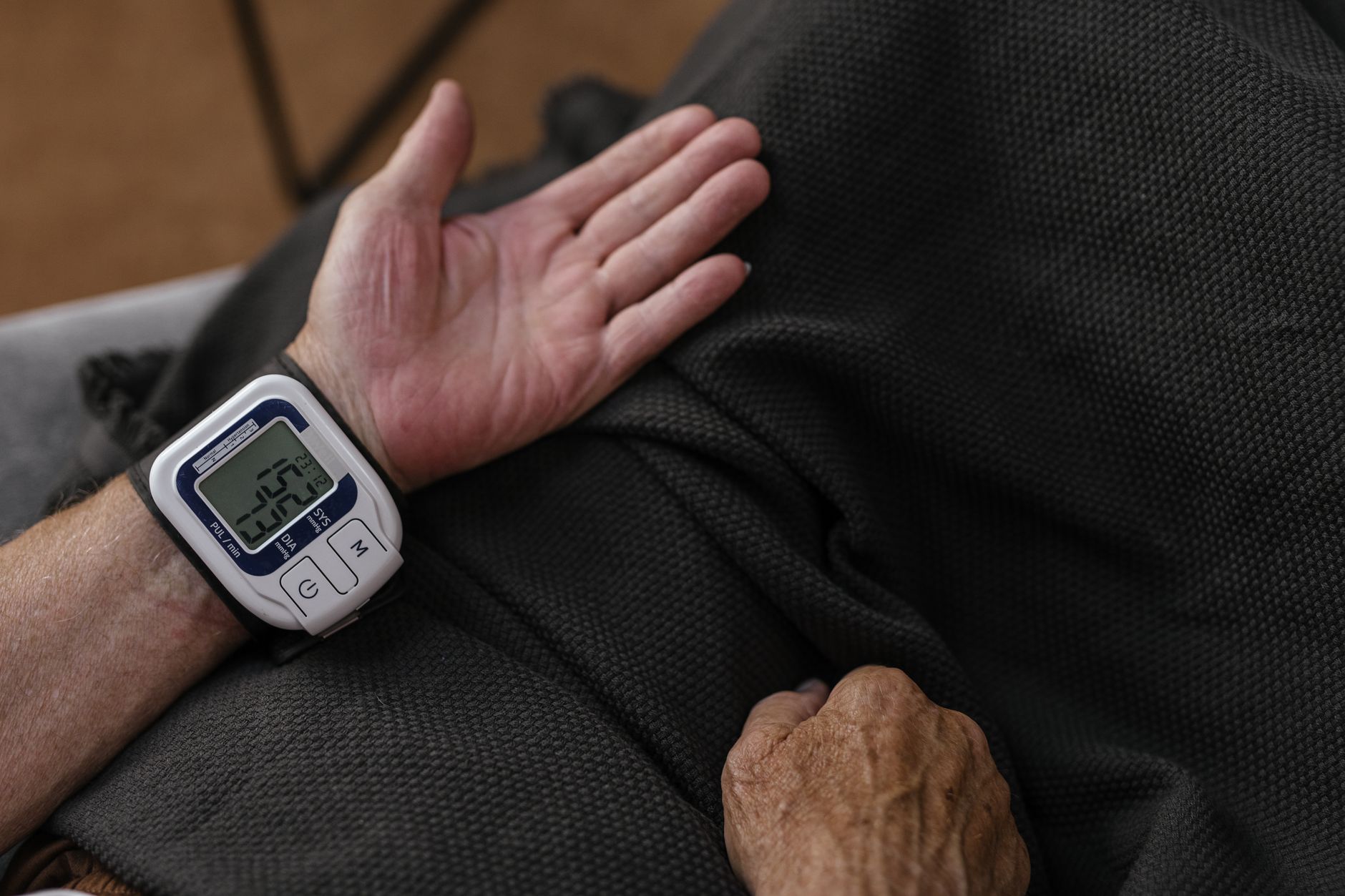
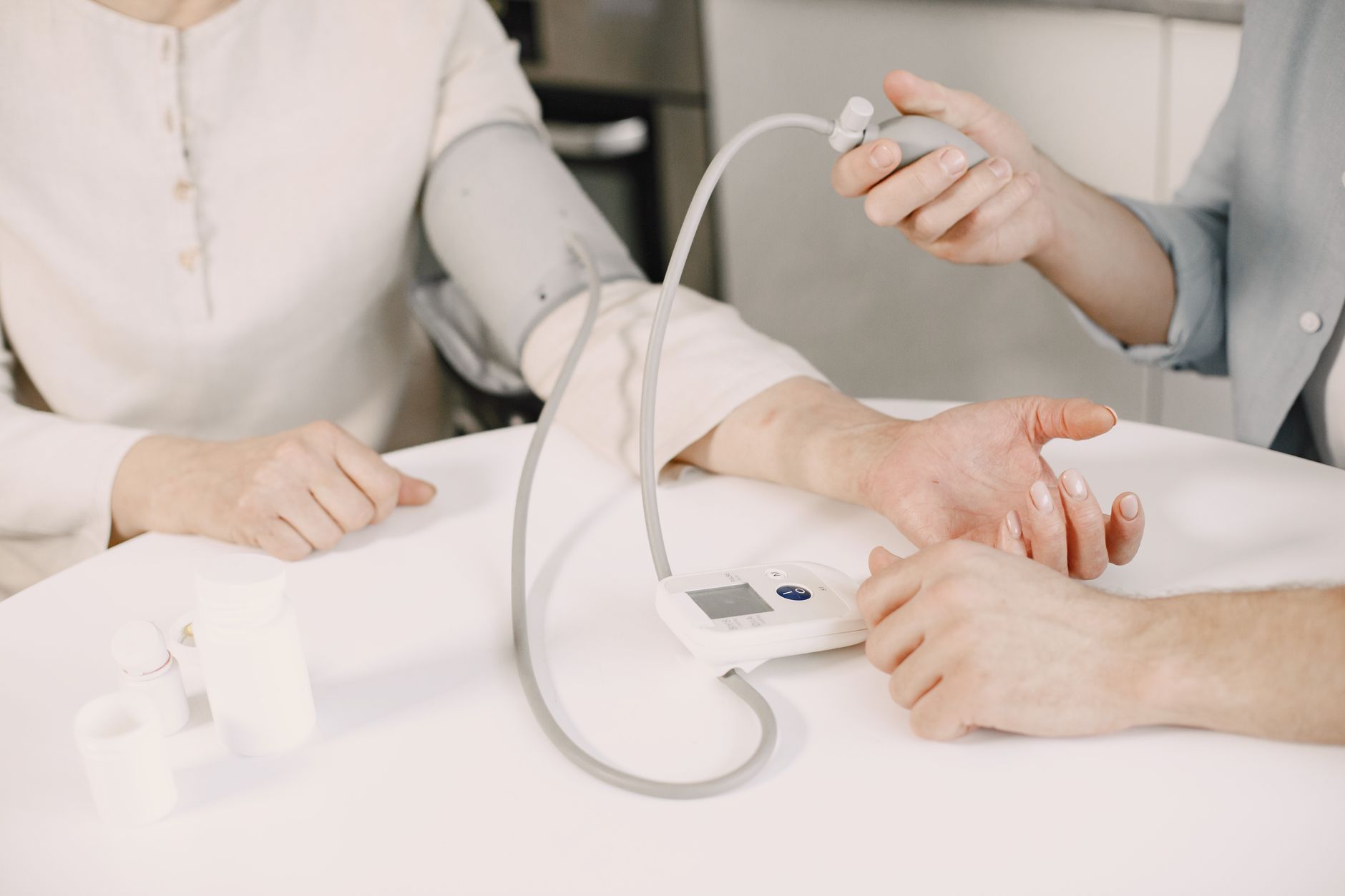
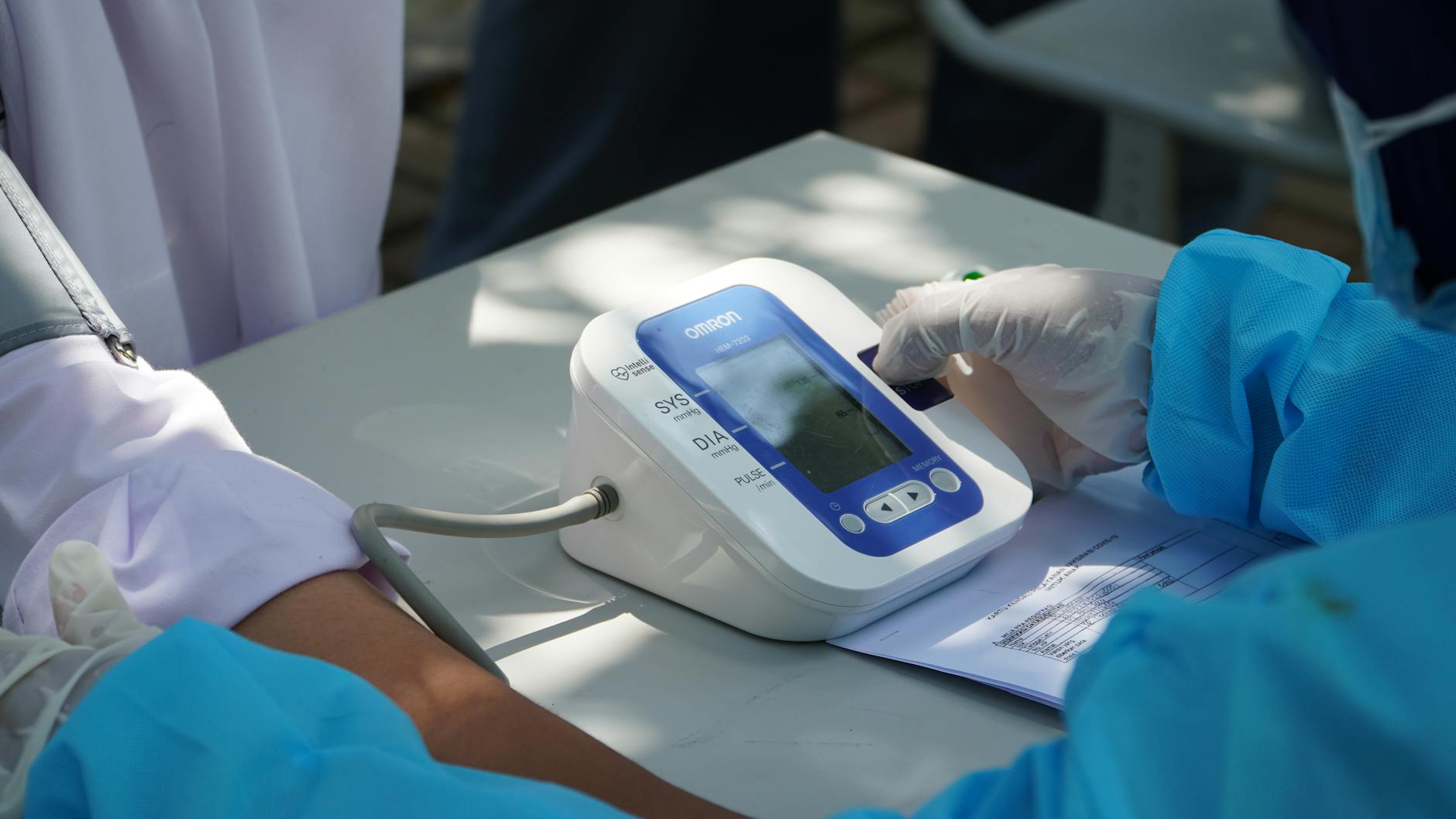
Start by checking the number is real, because technique alone can add several mmHg. Rest quietly for five minutes first. Sit with your back supported, feet flat on the floor and legs uncrossed. Keep the cuff on a bare upper arm, level with your heart. Then take two or three readings a minute apart and average them. The AHA also advises avoiding caffeine, exercise and smoking for at least 30 minutes beforehand. Our guide to measuring blood pressure at home walks through cuff fit and the rest of the setup.
Repeat at the same times each day for one to two weeks. A single 136/86 tells you very little; fourteen readings tell you a great deal.
If that average holds, the habits with the strongest evidence behind them are consistent across the AHA, the NHS and Mayo Clinic: less sodium, more vegetables, fruit and whole grains, movement on most days, a healthy weight, less alcohol and better sleep. How to lower blood pressure covers the full set, and does walking lower blood pressure looks at the easiest place to start.
When to see a doctor
Book a routine appointment if a carefully measured average stays around 136/86 over a couple of weeks, and take your logged readings with you. Go sooner if you have diabetes, kidney disease, or a family history of heart disease or stroke, since those change the calculation about treatment.
Seek help right away if you ever record a reading higher than 180 systolic or higher than 120 diastolic. The AHA advises waiting five minutes and measuring again, then contacting your doctor without delay if it stays that high. Call emergency services immediately if a very high reading comes with chest pain, shortness of breath, numbness or weakness, vision changes or difficulty speaking. This guide is general information and does not replace personalised medical advice.
Log this reading in CardioVibe
One number rarely tells the whole story, but a fortnight of them usually does. You can log this reading free in CardioVibe and bring the record to your appointment. It supports your care rather than replacing it.
Frequently asked questions
Is 136/86 normal blood pressure?
No. Normal under AHA and ACC guidance means below 120 systolic and below 80 diastolic. A reading of 136/86 sits in stage 1 hypertension, with both numbers inside the stage 1 range.
Is 136 over 86 dangerous?
Not as a one off, and not an emergency. Stage 1 calls for rechecking, habit changes and a conversation with a clinician. The thresholds the AHA treats as urgent are above 180 systolic or above 120 diastolic.
Is 136/86 high under NHS guidance?
As a home average, yes. The NHS home threshold is 135/85 mmHg, and both of your numbers are above it. A one off clinic reading of 136/86 sits below the NHS clinic threshold of 140/90.
What should I do if my blood pressure is 136/86?
Recheck it with careful technique, log your readings for one to two weeks, then take the average to your doctor rather than acting on a single measurement.
Download CardioVibe
Take control of your blood pressure with small daily habits, and see exactly what's working as your readings improve.
Download CardioVibe
Keep every reading in one place, spot patterns early, and bring a clear history to your next GP appointment.