C - Readings (programmatic)
What does a blood pressure of 137/87 mean?
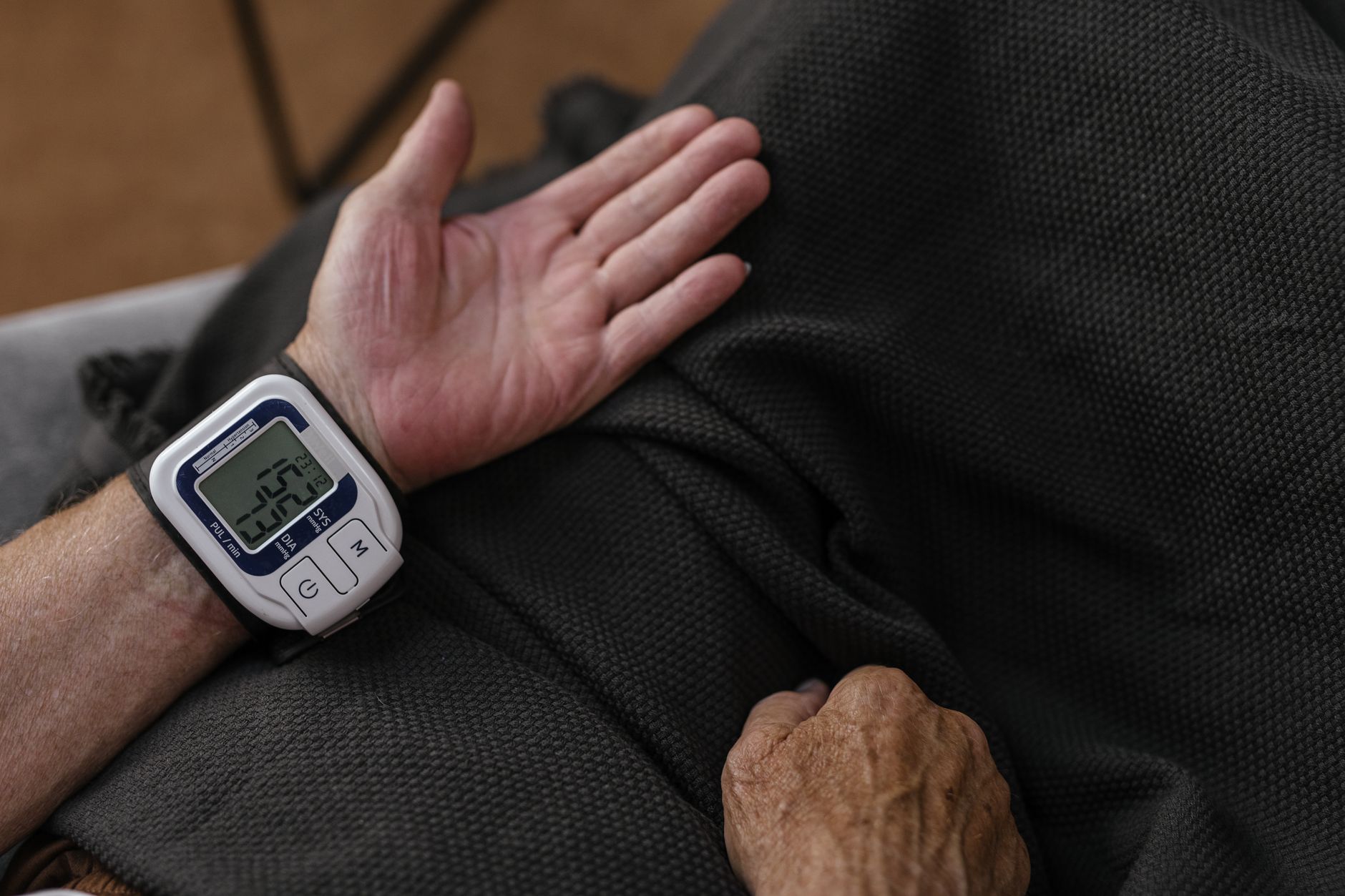
A blood pressure of 137/87 mmHg is stage 1 hypertension under current American Heart Association guidance, and it sits near the top of that range. Both numbers are only a few points below the stage 2 thresholds. One reading is not a diagnosis, but this one is worth taking seriously.
What a 137/87 blood pressure reading means
A reading has two numbers, measured in mmHg. The top number is systolic pressure, the force in your arteries as the heart beats. The bottom number is diastolic pressure, the force between beats. So 137/87 means a systolic of 137 and a diastolic of 87.
The American Heart Association and the American College of Cardiology group adult readings like this:
- Normal: less than 120 systolic and less than 80 diastolic.
- Elevated: 120 to 129 systolic and less than 80 diastolic.
- Hypertension stage 1: 130 to 139 systolic, or 80 to 89 diastolic.
- Hypertension stage 2: 140 or higher systolic, or 90 or higher diastolic.
Both of your numbers land in the stage 1 band, so 137/87 is stage 1 hypertension. What makes it worth a second look is where in the band it sits. Stage 2 starts at 140 systolic or 90 diastolic, which is three points up on the top number and three on the bottom. Our guide to hypertension stages 1 and 2 explained covers what changes when you cross that line.
Is 137 over 87 high blood pressure?
Yes, under both the US and UK frameworks.
The NHS treats high blood pressure as a clinic reading of 140/90 mmHg or higher, or a home average of 135/85 mmHg or higher. A home average of 137/87 is above both halves of that home threshold. A single clinic reading of 137/87 would sit just under the NHS clinic line, which is one reason home averages are taken so seriously: they catch what a one off appointment can miss.
For the neighbouring readings, see what 136/86 means one point lower, and what 138/88 means one point higher.
Why your average matters more than this reading
Blood pressure moves throughout the day. It is usually lower overnight, rises in the morning, and responds within minutes to caffeine, stress, a full bladder, talking, or simply having walked up the stairs. A 137/87 taken at a bad moment might be 128/82 taken at a calm one.
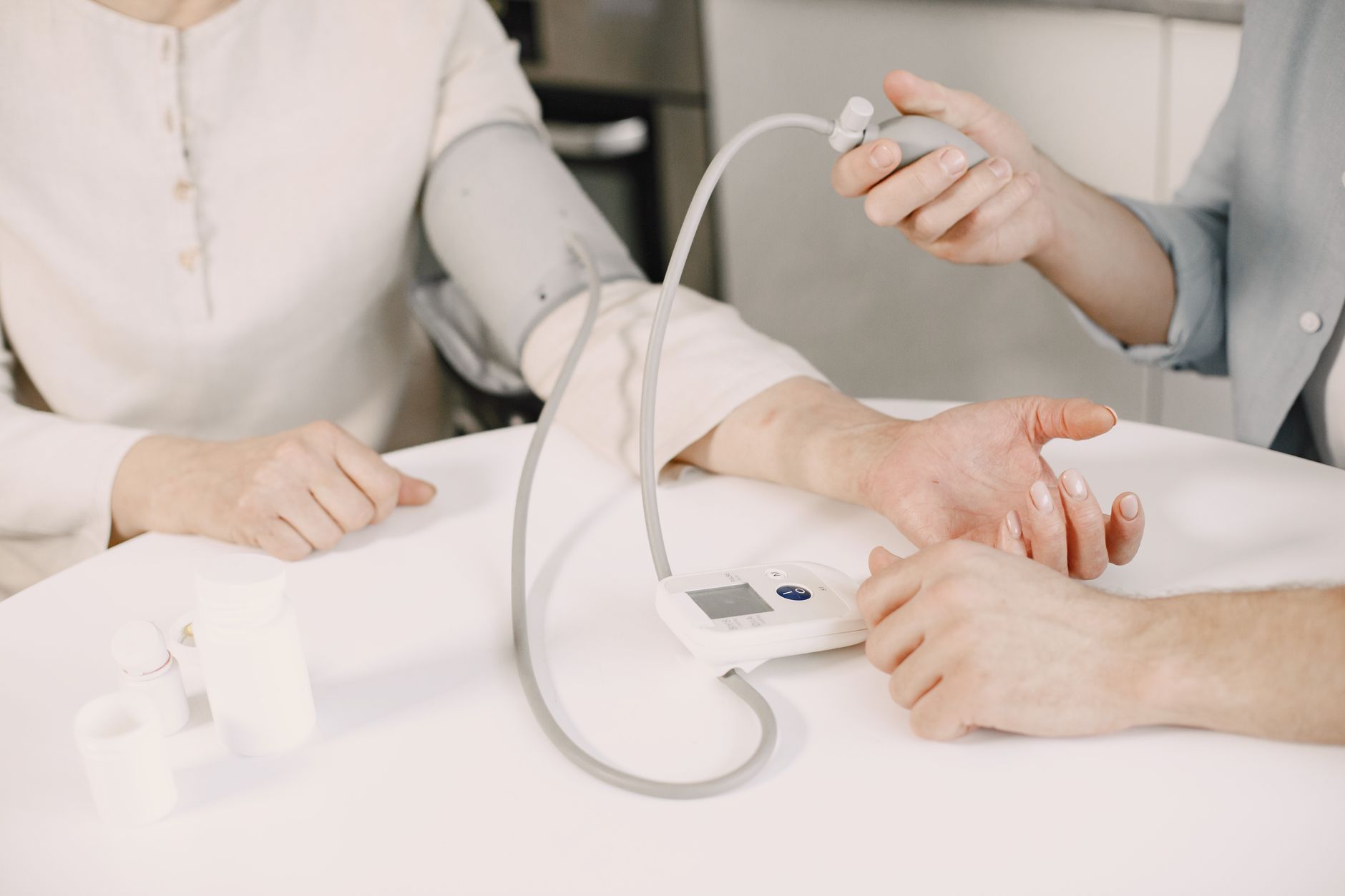
That is why the useful number is an average, not a snapshot. Take two or three readings a minute apart and average them, at the same times each day, for one to two weeks. Rest quietly for five minutes first, sit with your back supported and feet flat, keep the cuff on a bare upper arm at heart level, and avoid caffeine, exercise and smoking for at least 30 minutes beforehand. Our guide to measuring blood pressure at home walks through the whole routine.
If that fortnightly average really is around 137/87, the habits with the strongest evidence behind them are the same ones the AHA, NHS and Mayo Clinic all point to: less sodium, more vegetables, fruit and whole grains, movement on most days, a healthy weight, less alcohol and better sleep. How to lower blood pressure pulls them together.
When to see a doctor
Book a routine appointment if a carefully measured average stays around 137/87 for a couple of weeks, and bring your logged readings. Sitting this close to stage 2 is a good reason not to leave it for six months. Go sooner if you have diabetes, kidney disease, or a family history of heart disease or stroke.
Seek help right away if you ever record a reading higher than 180 systolic or higher than 120 diastolic. The AHA advises waiting five minutes and measuring again, then contacting your doctor without delay if it stays that high. Call emergency services immediately if a very high reading comes with chest pain, shortness of breath, numbness or weakness, vision changes or difficulty speaking. This guide is general information and does not replace personalised medical advice.
Log this reading in CardioVibe
The gap between 137/87 and stage 2 is small enough that you want to know which way you are heading. You can log this reading free in CardioVibe, watch your weekly average settle, and take the record to your appointment. It supports your care rather than replacing it.
Frequently asked questions
Is 137/87 normal blood pressure?
No. Normal under AHA and ACC guidance means below 120 systolic and below 80 diastolic. A reading of 137/87 falls into stage 1 hypertension, with both numbers inside the stage 1 range.
Is 137 over 87 dangerous?
Not as a single reading, and not an emergency. The thresholds the AHA treats as urgent are above 180 systolic or above 120 diastolic. Stage 1 calls for rechecking, habit changes and a conversation with a clinician.
How close is 137/87 to stage 2 hypertension?
Three points on each number. Stage 2 begins at 140 systolic or 90 diastolic, and crossing either one is enough, so it is worth tracking rather than assuming it will stay put.
What should I do if my blood pressure is 137/87?
Recheck it with careful technique, log your readings for one to two weeks, and take the average to your doctor rather than acting on one measurement.
Download CardioVibe
Take control of your blood pressure with small daily habits, and see exactly what's working as your readings improve.
Download CardioVibe
Keep every reading in one place, spot patterns early, and bring a clear history to your next GP appointment.